Smart Lighting Guide: Philips Hue vs Govee vs Nanoleaf
Smart Home
By Oliver Hayes
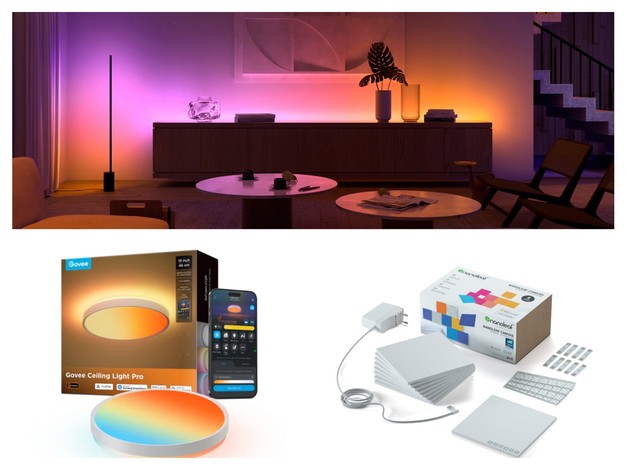

Each smart light promises to transform your room into a cinematic, mood-driven, voice-controlled environment, but they take very different paths to get there. Those are Philips Hue, Govee, and Nanoleaf. In this list, we break down how their smart lighting actually performs in real-world setups, not just spec sheets.
This isn’t about hype. It’s about what works, what’s overpriced, and what actually makes your room look like it belongs in 2026.
Philips Hue vs Govee vs Nanoleaf: The Big Picture
Before diving deep, here’s something to know for an easier pick: these brands aren’t really competing in the same exact lane. They overlap but each has a personality.
Philips Hue: The “Premium Control Freak”
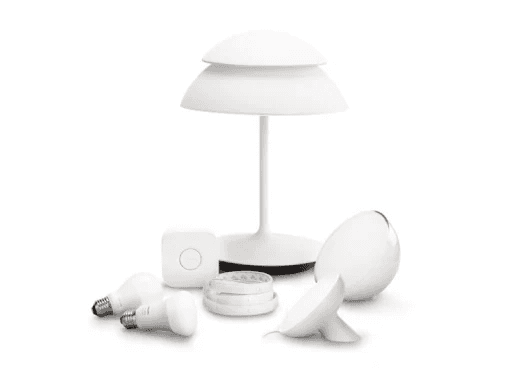
[Images: Philips Hue]
Philips Hue is the most polished ecosystem here. It’s stable, deeply integrated, and feels like the “Apple of smart lighting.” You pay more, but you get reliability that rarely glitches.
Best for: whole-home smart lighting
Weak point: expensive entry point
Govee: The Budget Show-Off

[Images: Govee]
Govee is what happens when smart lighting gets fun and aggressive with pricing. It’s flashy, colorful, and surprisingly feature-packed for the cost.
Best for: RGB effects and room setups on a budget
Weak point: ecosystem fragmentation


Nanoleaf: The Design Statement
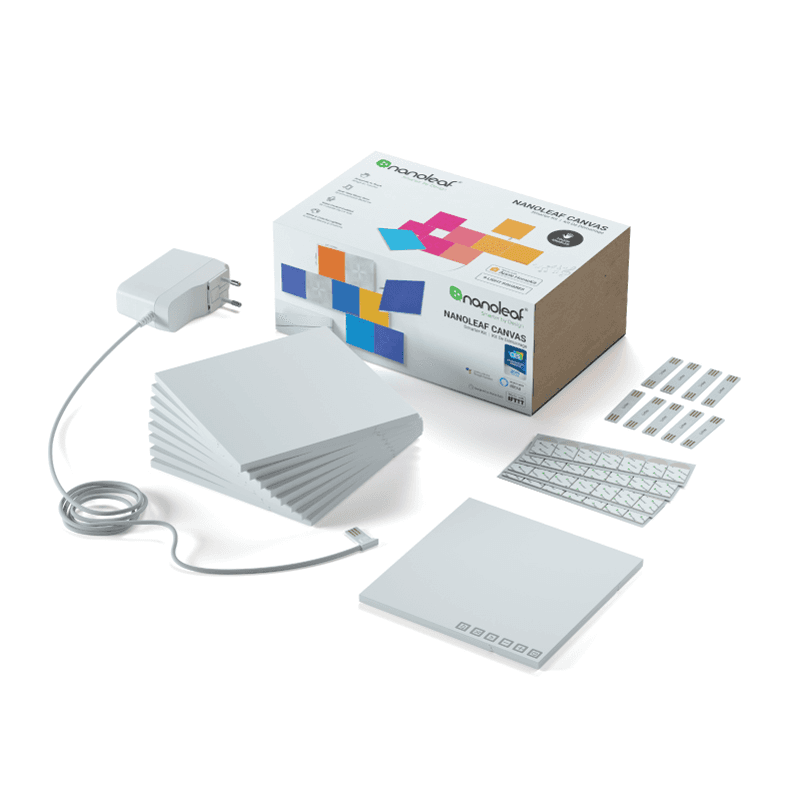
[Image: Nanoleaf]
Nanoleaf is less about lighting your room and more about turning your wall into an art installation. It focused on aesthetics first, then its functionality as second.
Best for: decor-heavy setups and mood lighting
Weak point: limited traditional lighting utility
Build Quality and Design: Minimalist vs Maximalist vs Artistic
Philips Hue: Clean but Understated
Hue fixtures don’t scream for attention. Light strips, bulbs, and panels are clean, neutral, and designed to disappear into your home.
Pros: premium feel, consistent hardware
Cons: visually boring compared to competitors
Govee: RGB Everywhere Energy
Govee products lean into LED chaos in a good way. Expect bright strips, reactive lighting, and gaming-room aesthetics.
Pros: bold visuals, tons of variety
Cons: less “premium” feel in materials
Nanoleaf: Wall Art First, Lighting Second
Nanoleaf panels are instantly recognizable. They’re geometric, modular, and meant to be seen even when off.
Pros: iconic design, customizable layouts
Cons: not ideal as your only light source
Smart Features and Ecosystem: Who Actually Plays Nice?
Philips Hue: The Gold Standard Ecosystem
Hue dominates in stability and integrations. Apple Home, Google Home, Alexa. It all just works for this brand.
Smooth automation routines
Reliable app performance
Strong accessory ecosystem (switches, sensors)
Verdict: Still the most “set it and forget it” system.
Govee: Feature-Packed but Fragmented
Govee’s app has improved massively, but it still feels like a playground of features rather than a unified system.
Tons of lighting effects
Music sync modes are fun but inconsistent
Expanding smart home support
Verdict: Powerful, but not always polished.
Nanoleaf: Smart + Artistic Balance
Nanoleaf integrates well with major platforms, but its real strength is customization. The only limit is your imagination, and the consideration of different lighting moods that suit the atmosphere the best
Deep scene customization
Touch-reactive panels
Strong Thread/Matter support in newer products
Verdict: Best for creative control, not automation depth.
Brightness, Performance, and Daily Use
Philips Hue: Controlled and Natural

[Images: Philips Hue]
Hue wins on white light quality. It feels closest to natural daylight, especially in newer bulbs.
Excellent dimming precision
No flicker issues
Best for reading and daily use
Govee: Bright but Sometimes Artificial
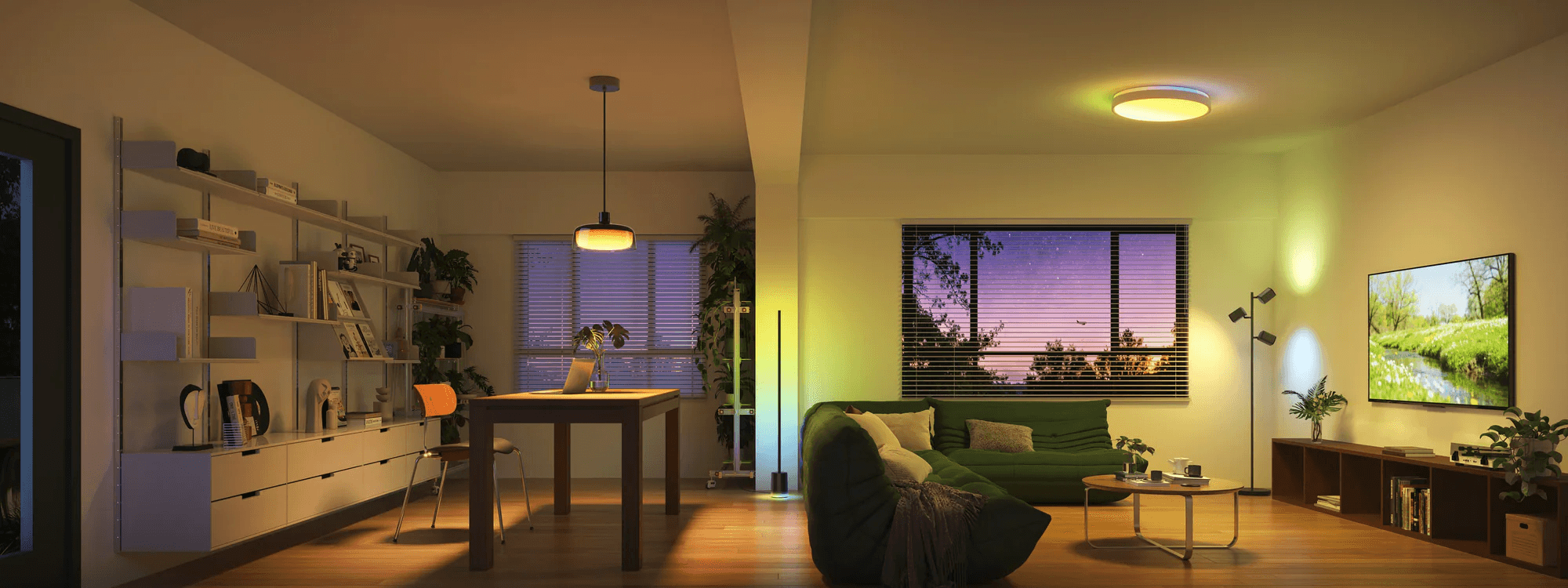
[Image: Govee]
Govee gets loud, like very loud. Great for parties, less ideal for focus.
High brightness output
Vibrant colors
Whites can look slightly off
Nanoleaf: Mood Over Function
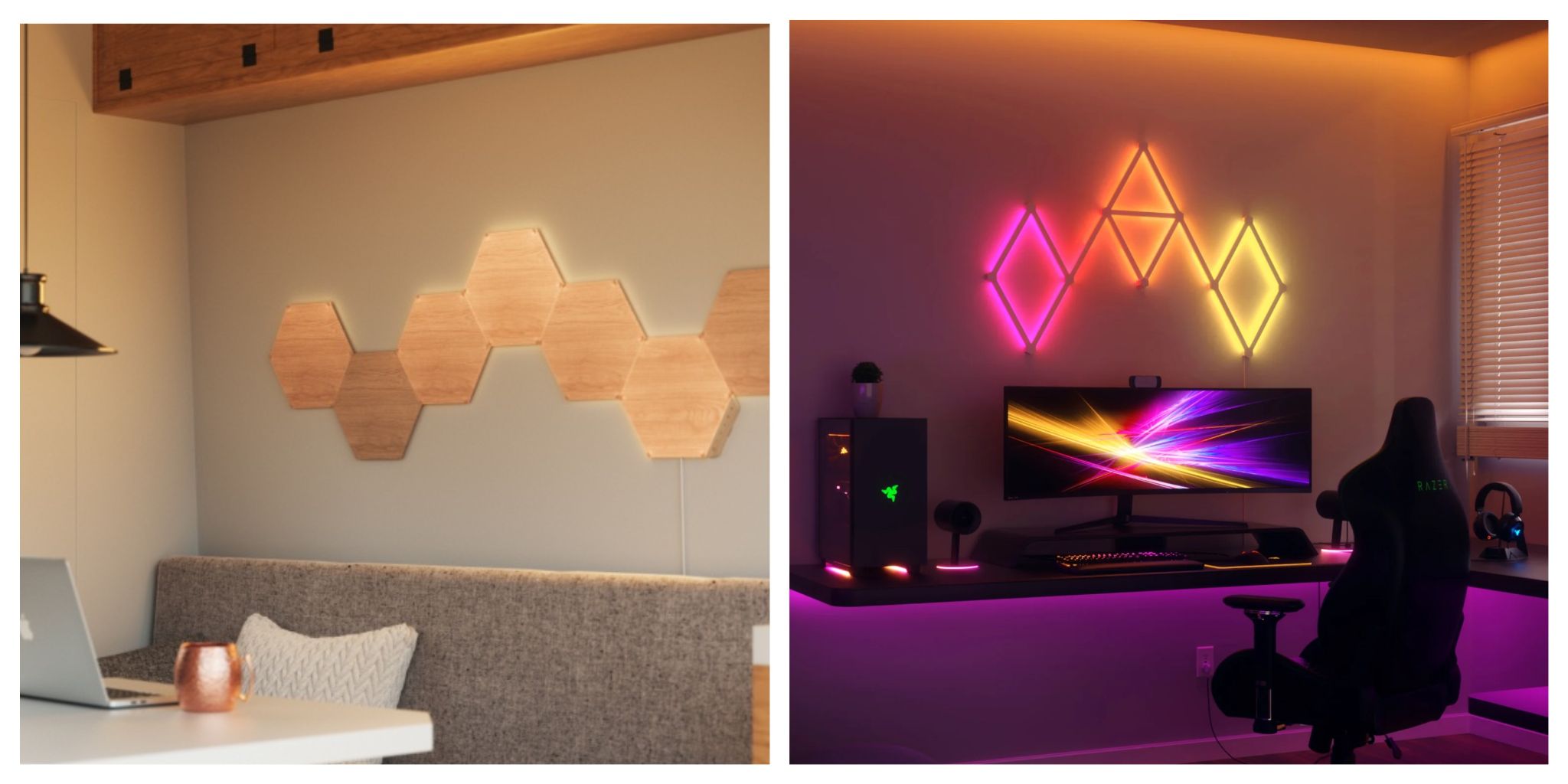
[Images: Nanoleaf]
Nanoleaf is ambient lighting first.
Soft glow diffusion
Not ideal as primary lighting
Perfect for background ambiance
Pricing: What You’re Really Paying For
Philips Hue: Premium Tax Included
You’re paying for stability and ecosystem depth.
Expensive bulbs and hubs
Long-term reliability payoff
Govee: Value King
Hard to beat for entry-level smart lighting setups.
Affordable kits
Frequent discounts
Great starter ecosystem
Nanoleaf: Design Premium
You’re paying for aesthetics more than utility.
Mid-to-high pricing
Modular expansions get expensive fast
Smart Lighting Guide Verdict: Which One Actually Wins?
To determine the winner of your choice is matching the right system to your right preference:
Best Overall System: Philips Hue Still the most complete, reliable smart lighting ecosystem. Expensive, but it just works better than everything else.
Best Budget Option: Govee If you want maximum RGB impact for minimum money, this is the obvious pick.
Best for Aesthetic Setups: Nanoleaf No one beats Nanoleaf when it comes to turning a wall into a statement piece.

Oliver Hayes
Gadgets & Smart Home Writer
Oliver began writing about gaming and digital culture before moving into the world of consumer technology. He specializes in gadgets, smart home devices, and practical tech advice that helps readers make smarter buying decisions.