Foldable Phones in 2026: Are They Finally Worth Buying
Mobile
By Ethan Walker
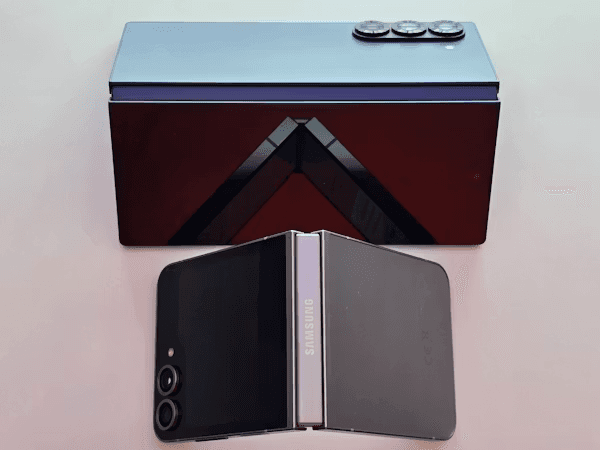
For years, foldable phones felt like the future that was always one generation away. Early models impressed at launch events but often disappointed in daily use, with concerns around durability, battery life, thickness, eye-watering prices, and that weird crease that started to be more noticeable on screen. Fast forward to 2026, times may have changed.
Foldable phones in 2026 are no longer experimental gadgets reserved for early adopters. They're thinner, tougher, more affordable, and far more polished than their predecessors. But the big question remains: are they finally worth buying for the average smartphone user?
The answer is more nuanced than a simple yes or no.
How Foldable Phones Have Changed Since the Early Days
The biggest difference between today's foldables and the first-generation models is maturity. Manufacturers have spent years refining hinge mechanisms, improving flexible displays, and addressing durability concerns that once dominated reviews.
Many 2026 foldables now feature:
Nearly invisible display creases
Stronger hinge systems rated for hundreds of thousands of folds
Improved dust and water resistance
Flagship-level camera systems
Larger batteries with faster charging
Slimmer designs approaching traditional smartphones
What once felt like a compromise now feels much closer to a premium flagship experience.
The Crease Is No Longer the Main Story
In 2021 and 2022, reviewers often spent half their reviews talking about the display crease. It was impossible to ignore.
Today, many leading foldables have reduced the crease to the point where it's only noticeable under certain lighting conditions. While it hasn't disappeared entirely, it no longer dominates the user experience.
For most users, the novelty of folding the screen now lasts longer than the annoyance of seeing the crease. Out of sight, out of mind.
Durability Has Improved Significantly
It was perhaps the biggest concern surrounding foldables.
Early devices raised questions about display longevity, hinge reliability, and resistance to dust. Manufacturers responded by investing heavily in stronger materials and improved engineering.
Modern foldables now routinely survive extensive durability testing, and many include enhanced protection against water and environmental wear. While a foldable still isn't quite as rugged as a traditional slab phone, the gap has narrowed substantially.
For most consumers, durability is no longer a deal-breaker.
What Makes Foldable Phones Attractive in 2026?
The strongest argument for foldables has always been simple: they offer more screen space without dramatically increasing pocket size.
That value proposition has become much clearer in 2026.
A Tablet When You Need It
Book-style foldables provide a smartphone-sized device that opens into a mini tablet.
For users who regularly:
Read documents
Browse websites
Edit spreadsheets
Watch videos
Multitask with multiple apps
The additional screen real estate can be genuinely transformative.
Unlike carrying both a smartphone and a tablet, a foldable consolidates everything into a single device. It’s a 2-in-1 that’s a win-win.
Multitasking Is Finally Useful
Software has caught up with hardware.
Android manufacturers have spent years refining multitasking features for foldable screens. Split-screen apps, floating windows, drag-and-drop functionality, and desktop-style workflows are now smoother and more intuitive.
The result is a device that can improve productivity rather than simply looking futuristic.
Flip Phones Offer Something Different
Not every foldable is trying to replace a tablet.
Flip-style foldables focus on portability. They fold into compact squares that take up less pocket space while still opening into full-sized smartphones. It mainly focused on convenience.
A modern flip phone can deliver flagship performance while fitting comfortably into smaller pockets or bags.
Where Foldable Phones Still Fall Short
Despite the progress, foldables aren't perfect.
Several compromises remain, and buyers should understand them before spending flagship-level money.
They Still Cost More
Pricing has improved, but foldables remain expensive compared to traditional smartphones.
For the same budget, consumers can often buy a premium flagship phone with:
Better cameras
Larger batteries
Higher durability
Longer software support
The foldable form factor itself still commands a premium.
That premium is easier to justify than it was a few years ago, but it hasn't disappeared.
Battery Life Remains a Challenge
Foldables must power larger displays while fitting batteries into more complex internal layouts.
Manufacturers have improved efficiency significantly, but battery performance can still lag behind similarly priced traditional phones.
Heavy users may notice the difference, especially on larger book-style foldables.
Cameras Can Still Be a Step Behind
The best foldable cameras are very good. Using the other portion of it as a stand while taking a selfie is quite helpful.
However, many manufacturers still prioritize thinness and hinge engineering over camera hardware.
As a result, some foldables fall slightly behind the best camera-focused flagship phones in low-light photography, zoom performance, or image processing consistency.
For photography enthusiasts, this remains an important consideration.


Who Should Buy a Foldable Phone in 2026?
Foldables make sense for certain users more than others.
Ideal Buyers
A foldable is worth considering if you:
Consume a lot of media
Work on the go
Frequently multitask
Want a device that feels genuinely different
Value screen size and flexibility
These users are most likely to benefit from the unique advantages foldables provide.
Who Should Stick With a Traditional Smartphone
A conventional flagship remains the smarter purchase if you:
Prioritize camera quality above all else
Need maximum battery life
Want the lowest possible risk of hardware issues
Prefer the best value for money
Traditional smartphones continue to offer exceptional performance without the added complexity of a folding design.
What Experts and Market Trends Are Saying
Industry trends suggest foldables are moving beyond the niche category they occupied for years.
Manufacturers continue investing heavily in foldable development, and competition has accelerated innovation. More brands now offer foldables across multiple price points, creating options for a wider range of buyers, particularly in the Android market.
The technology has reached a stage where discussions are less about whether foldables work and more about which foldable works best.
That's a significant shift.
Consumer satisfaction surveys and long-term user feedback also indicate that many foldable owners are reluctant to return to traditional phones once they've adapted to the larger screens and multitasking capabilities.
That level of retention suggests the form factor is solving real user needs rather than serving as a novelty.
Verdict: Are Foldable Phones Finally Worth Buying?
In 2026, foldable phones have crossed an important threshold.
They are no longer experimental devices that require buyers to tolerate major compromises. The hardware is mature, the software is refined, and durability concerns have largely been addressed.
That doesn't mean they're the best choice for everyone.
Traditional flagship phones still offer better value, stronger battery performance, and often superior camera systems. But foldables now provide enough practical advantages to justify their existence beyond the wow factor.
For productivity-focused users, multitaskers, media consumers, and anyone looking for a genuinely different smartphone experience, foldable phones are finally worth serious consideration.
After years of promises, the future has finally caught up with the concept.

Ethan Walker
Consumer Tech & Mobile Writer
Ethan's love for technology started with building PCs and experimenting with gadgets at a young age. Today, he covers consumer tech, smartphones, and emerging innovations, helping readers understand what products are actually worth their attention.