

Have a tech lover partner or friend? Finding those kinds of gifts under $150, surprisingly easy, if you know where to look. The challenge isn't finding gadgets. It's finding tech that people will actually use after the excitement of unboxing wears off.
As someone who spends most of his time testing laptops, wearables, charging accessories, and smart gadgets, I've learned that the best tech gifts aren't always the most expensive. They're the products that solve everyday problems, improve routines, or simply make life a little more enjoyable.
If you're shopping for a gamer, remote worker, fitness enthusiast, traveler, or someone who always has the latest gadget, these are the gifts I'd confidently recommend this year.
Quick Comparison Table
Product | Category | Price (USD) | Best For | Standout Feature |
|---|---|---|---|---|
HLTH Band 1.0 | Wearable | $99.00 | Health-conscious users | 30-day battery life with no subscription |
Anker Prime Power Bank (20K, 200W) | Charging Accessory | $139.99 | Travelers & power users | Charges laptops, tablets, and phones simultaneously |
Apple AirTag 4-Pack | Smart Tracker | $99.00 | Frequent travelers | Industry-leading item tracking |
Amazon Echo Spot | Smart Home | $79.99 | Smart home beginners | Compact smart display with Alexa |
Logitech MX Anywhere 3S | Productivity | $79.99 | Remote workers | Works on almost any surface |
Soundcore Liberty 5 | Audio | $99.99 | Music lovers | Excellent ANC under $150 |
Who Should Buy What?
Buy the HLTH Band if they care about wellness
Many people already own a smartwatch. Fewer own a wearable focused entirely on health insights without distractions.
Buy the Anker Prime Power Bank if they're always traveling
Laptop users, digital nomads, students, and frequent flyers will get immediate value from a high-capacity power bank.
Buy AirTags if they lose everything
Keys, backpacks, luggage, wallets, AirTags remain one of the easiest tech gifts to appreciate.
Buy the Echo Spot for smart home beginners
It's affordable, useful, and requires almost no learning curve.
Buy the MX Anywhere 3S for remote workers
One of the easiest productivity upgrades you can buy.
Buy the Soundcore Liberty 5 for audio fans
Premium features without premium pricing.
HLTH Band 1.0: Best Overall Wearable Gift:
Price: $99.00
Standout Feature
30-day battery life with no subscription fees.
Pros
Extremely lightweight design
Up to 30 days of battery life
No monthly subscription
Comprehensive sleep tracking
Blood oxygen, HRV, stress, and heart-rate monitoring
Works with companion app included
Cons
No display
Not designed for smartwatch functions
Limited notification features
Detailed Review

Image: HlthTrack
The biggest selling point of the HLTH Band isn't a fancy feature, it's consistency.
The screen-free design helps deliver up to 30 days of battery life while tracking sleep, activity, heart health, stress, blood oxygen, and HRV metrics. The lightweight 18g design makes it easy to wear continuously, which ultimately leads to better health data. Unlike many competitors, there are no recurring subscription fees required to unlock core features.
For anyone interested in wellness tracking without smartwatch distractions, this is one of the most compelling gifts under $100 in 2026.
By
Marwin Jaino Cervañez
•
14 min read



Have a tech lover partner or friend? Finding those kinds of gifts under $150, surprisingly easy, if you know where to look. The challenge isn't finding gadgets. It's finding tech that people will actually use after the excitement of unboxing wears off.
As someone who spends most of his time testing laptops, wearables, charging accessories, and smart gadgets, I've learned that the best tech gifts aren't always the most expensive. They're the products that solve everyday problems, improve routines, or simply make life a little more enjoyable.
If you're shopping for a gamer, remote worker, fitness enthusiast, traveler, or someone who always has the latest gadget, these are the gifts I'd confidently recommend this year.
Quick Comparison Table
Product | Category | Price (USD) | Best For | Standout Feature |
|---|---|---|---|---|
HLTH Band 1.0 | Wearable | $99.00 | Health-conscious users | 30-day battery life with no subscription |
Anker Prime Power Bank (20K, 200W) | Charging Accessory | $139.99 | Travelers & power users | Charges laptops, tablets, and phones simultaneously |
Apple AirTag 4-Pack | Smart Tracker | $99.00 | Frequent travelers | Industry-leading item tracking |
Amazon Echo Spot | Smart Home | $79.99 | Smart home beginners | Compact smart display with Alexa |
Logitech MX Anywhere 3S | Productivity | $79.99 | Remote workers | Works on almost any surface |
Soundcore Liberty 5 | Audio | $99.99 | Music lovers | Excellent ANC under $150 |
Who Should Buy What?
Buy the HLTH Band if they care about wellness
Many people already own a smartwatch. Fewer own a wearable focused entirely on health insights without distractions.
Buy the Anker Prime Power Bank if they're always traveling
Laptop users, digital nomads, students, and frequent flyers will get immediate value from a high-capacity power bank.
Buy AirTags if they lose everything
Keys, backpacks, luggage, wallets, AirTags remain one of the easiest tech gifts to appreciate.
Buy the Echo Spot for smart home beginners
It's affordable, useful, and requires almost no learning curve.
Buy the MX Anywhere 3S for remote workers
One of the easiest productivity upgrades you can buy.
Buy the Soundcore Liberty 5 for audio fans
Premium features without premium pricing.
HLTH Band 1.0: Best Overall Wearable Gift:
Price: $99.00
Standout Feature
30-day battery life with no subscription fees.
Pros
Extremely lightweight design
Up to 30 days of battery life
No monthly subscription
Comprehensive sleep tracking
Blood oxygen, HRV, stress, and heart-rate monitoring
Works with companion app included
Cons
No display
Not designed for smartwatch functions
Limited notification features
Detailed Review
Image: HlthTrack
The biggest selling point of the HLTH Band isn't a fancy feature, it's consistency.
The screen-free design helps deliver up to 30 days of battery life while tracking sleep, activity, heart health, stress, blood oxygen, and HRV metrics. The lightweight 18g design makes it easy to wear continuously, which ultimately leads to better health data. Unlike many competitors, there are no recurring subscription fees required to unlock core features.
For anyone interested in wellness tracking without smartwatch distractions, this is one of the most compelling gifts under $100 in 2026.
By
Marwin Jaino Cervañez
•
14 min read
Have a tech lover partner or friend? Finding those kinds of gifts under $150, surprisingly easy, if you know where to look. The challenge isn't finding gadgets. It's finding tech that people will actually use after the excitement of unboxing wears off.
As someone who spends most of his time testing laptops, wearables, charging accessories, and smart gadgets, I've learned that the best tech gifts aren't always the most expensive. They're the products that solve everyday problems, improve routines, or simply make life a little more enjoyable.
If you're shopping for a gamer, remote worker, fitness enthusiast, traveler, or someone who always has the latest gadget, these are the gifts I'd confidently recommend this year.
Quick Comparison Table
Product | Category | Price (USD) | Best For | Standout Feature |
|---|---|---|---|---|
HLTH Band 1.0 | Wearable | $99.00 | Health-conscious users | 30-day battery life with no subscription |
Anker Prime Power Bank (20K, 200W) | Charging Accessory | $139.99 | Travelers & power users | Charges laptops, tablets, and phones simultaneously |
Apple AirTag 4-Pack | Smart Tracker | $99.00 | Frequent travelers | Industry-leading item tracking |
Amazon Echo Spot | Smart Home | $79.99 | Smart home beginners | Compact smart display with Alexa |
Logitech MX Anywhere 3S | Productivity | $79.99 | Remote workers | Works on almost any surface |
Soundcore Liberty 5 | Audio | $99.99 | Music lovers | Excellent ANC under $150 |
Who Should Buy What?
Buy the HLTH Band if they care about wellness
Many people already own a smartwatch. Fewer own a wearable focused entirely on health insights without distractions.
Buy the Anker Prime Power Bank if they're always traveling
Laptop users, digital nomads, students, and frequent flyers will get immediate value from a high-capacity power bank.
Buy AirTags if they lose everything
Keys, backpacks, luggage, wallets, AirTags remain one of the easiest tech gifts to appreciate.
Buy the Echo Spot for smart home beginners
It's affordable, useful, and requires almost no learning curve.
Buy the MX Anywhere 3S for remote workers
One of the easiest productivity upgrades you can buy.
Buy the Soundcore Liberty 5 for audio fans
Premium features without premium pricing.
HLTH Band 1.0: Best Overall Wearable Gift:
Price: $99.00
Standout Feature
30-day battery life with no subscription fees.
Pros
Extremely lightweight design
Up to 30 days of battery life
No monthly subscription
Comprehensive sleep tracking
Blood oxygen, HRV, stress, and heart-rate monitoring
Works with companion app included
Cons
No display
Not designed for smartwatch functions
Limited notification features
Detailed Review
Image: HlthTrack
The biggest selling point of the HLTH Band isn't a fancy feature, it's consistency.
The screen-free design helps deliver up to 30 days of battery life while tracking sleep, activity, heart health, stress, blood oxygen, and HRV metrics. The lightweight 18g design makes it easy to wear continuously, which ultimately leads to better health data. Unlike many competitors, there are no recurring subscription fees required to unlock core features.
For anyone interested in wellness tracking without smartwatch distractions, this is one of the most compelling gifts under $100 in 2026.
By
Marwin Jaino Cervañez
•
14 min read
Mobile

Smartphones keep getting thinner, lighter, and more expensive. Unfortunately, many protective cases still follow the old formula of adding layers upon layers of material until your sleek phone feels like a brick in your pocket.
If you're looking for the best case, the good news is that modern case makers have figured out how to balance protection and slimness. Without the bulk can also make room for your pocket and/or bag. The trick is knowing which case matches your priorities. Some prioritize grip, others focus on drop protection, while a few aim to make your phone feel almost naked.
If you're shopping for a new device, you may also want to check out our guides on smartphone accessories and mobile tech at Tech Unboxed.
Quick Comparison Table
Case | Best For | Thickness Profile | MagSafe Support | Price (USD) |
|---|---|---|---|---|
Caudabe Sheath | Best Overall | Slim | Yes | $46.00 |
Spigen Thin Fit | Best Budget Pick | Very Slim | Yes (MagFit models) | $39.99 |
Mous Super Thin | Premium Minimalists | Ultra Thin | Yes | $18.99 - $38.99 |
Pitaka MagEZ Case | Carbon Fiber Lovers | Ultra Thin | Yes | $69.99 |
Totallee Super Thin Case | Barely There Feel | Extremely Thin | Optional | $35.00 |
Nomad Modern Leather Case | Premium Everyday Carry | Moderately Slim | Yes | $59.95 |
Caudabe Sheath: Best Overall
Standout Feature
Exceptional grip without adding bulk
Pros
Excellent grip texture
Strong MagSafe magnets
Premium aluminum buttons
Surprisingly good drop protection
Minimalist design
Cons
More expensive than budget alternatives
Limited color selection
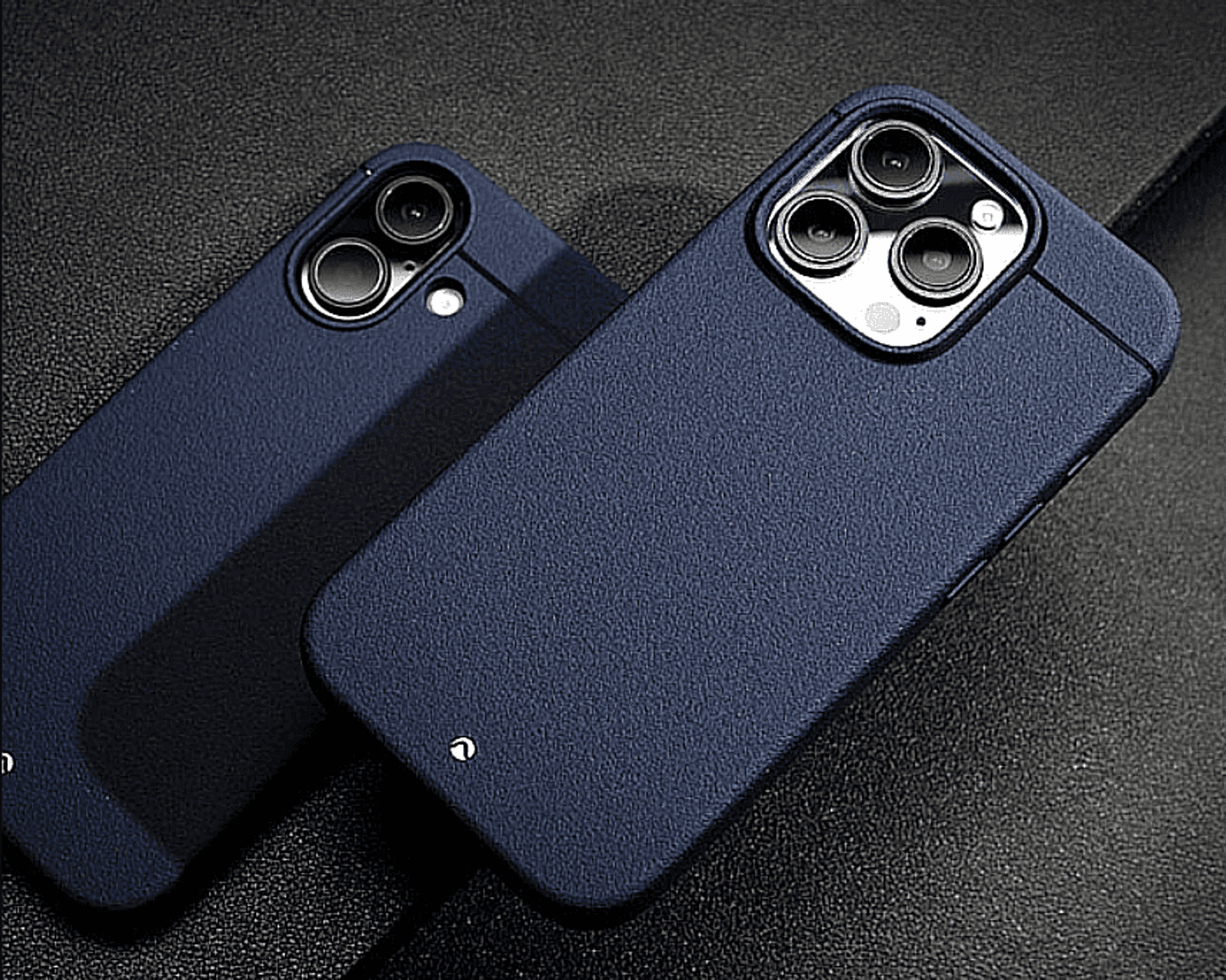
Image: Caudabe
Many thin cases force you to choose between protection and comfort. The Sheath manages both. Its textured finish makes it one of the grippiest cases we've tested, while the slim profile keeps modern flagship phones pocket-friendly. If you want one recommendation that works for most people, this is it.
By Ethan Walker
•





Mobile
Smartphones keep getting thinner, lighter, and more expensive. Unfortunately, many protective cases still follow the old formula of adding layers upon layers of material until your sleek phone feels like a brick in your pocket.
If you're looking for the best case, the good news is that modern case makers have figured out how to balance protection and slimness. Without the bulk can also make room for your pocket and/or bag. The trick is knowing which case matches your priorities. Some prioritize grip, others focus on drop protection, while a few aim to make your phone feel almost naked.
If you're shopping for a new device, you may also want to check out our guides on smartphone accessories and mobile tech at Tech Unboxed.
Quick Comparison Table
Case | Best For | Thickness Profile | MagSafe Support | Price (USD) |
|---|---|---|---|---|
Caudabe Sheath | Best Overall | Slim | Yes | $46.00 |
Spigen Thin Fit | Best Budget Pick | Very Slim | Yes (MagFit models) | $39.99 |
Mous Super Thin | Premium Minimalists | Ultra Thin | Yes | $18.99 - $38.99 |
Pitaka MagEZ Case | Carbon Fiber Lovers | Ultra Thin | Yes | $69.99 |
Totallee Super Thin Case | Barely There Feel | Extremely Thin | Optional | $35.00 |
Nomad Modern Leather Case | Premium Everyday Carry | Moderately Slim | Yes | $59.95 |
Caudabe Sheath: Best Overall
Standout Feature
Exceptional grip without adding bulk
Pros
Excellent grip texture
Strong MagSafe magnets
Premium aluminum buttons
Surprisingly good drop protection
Minimalist design
Cons
More expensive than budget alternatives
Limited color selection
Image: Caudabe
Many thin cases force you to choose between protection and comfort. The Sheath manages both. Its textured finish makes it one of the grippiest cases we've tested, while the slim profile keeps modern flagship phones pocket-friendly. If you want one recommendation that works for most people, this is it.
By Ethan Walker
•
Mobile
Smartphones keep getting thinner, lighter, and more expensive. Unfortunately, many protective cases still follow the old formula of adding layers upon layers of material until your sleek phone feels like a brick in your pocket.
If you're looking for the best case, the good news is that modern case makers have figured out how to balance protection and slimness. Without the bulk can also make room for your pocket and/or bag. The trick is knowing which case matches your priorities. Some prioritize grip, others focus on drop protection, while a few aim to make your phone feel almost naked.
If you're shopping for a new device, you may also want to check out our guides on smartphone accessories and mobile tech at Tech Unboxed.
Quick Comparison Table
Case | Best For | Thickness Profile | MagSafe Support | Price (USD) |
|---|---|---|---|---|
Caudabe Sheath | Best Overall | Slim | Yes | $46.00 |
Spigen Thin Fit | Best Budget Pick | Very Slim | Yes (MagFit models) | $39.99 |
Mous Super Thin | Premium Minimalists | Ultra Thin | Yes | $18.99 - $38.99 |
Pitaka MagEZ Case | Carbon Fiber Lovers | Ultra Thin | Yes | $69.99 |
Totallee Super Thin Case | Barely There Feel | Extremely Thin | Optional | $35.00 |
Nomad Modern Leather Case | Premium Everyday Carry | Moderately Slim | Yes | $59.95 |
Caudabe Sheath: Best Overall
Standout Feature
Exceptional grip without adding bulk
Pros
Excellent grip texture
Strong MagSafe magnets
Premium aluminum buttons
Surprisingly good drop protection
Minimalist design
Cons
More expensive than budget alternatives
Limited color selection
Image: Caudabe
Many thin cases force you to choose between protection and comfort. The Sheath manages both. Its textured finish makes it one of the grippiest cases we've tested, while the slim profile keeps modern flagship phones pocket-friendly. If you want one recommendation that works for most people, this is it.
By Ethan Walker
•
Wearables

The Best GPS Sports Watches for Runners in 2026
From advanced GPS accuracy and recovery insights to training load analytics and route navigation, today’s running watches are basically coaching platforms disguised as wearables. The tricky part? Not all of them are worth your money, and some are still coasting on brand hype.
We tested and compared the strongest contenders runners are actually buying right now.
Quick Comparison Table
Watch | Price (USD) | GPS Accuracy | Battery Life | Training Depth | Smart Features | Best For | Grade |
|---|---|---|---|---|---|---|---|
Garmin Forerunner 965 | $499.99 | Excellent | High | Very High | Medium | Serious runners | A+ |
Coros Pace 3 | $199.00 | Excellent | Very High | High | Low | Endurance training | A |
Garmin Fenix 7 Pro | $799.99 | Excellent | Excellent | Very High | Medium | Trail athletes | A |
Suunto Race | $549.00 | Very Good | High | Medium | Medium | Clean UI runners | B+ |
Polar Vantage V3 | $699.99 | Very Good | Medium | High (recovery) | Medium | Recovery-focused | B+ |
Apple Watch Ultra 3 | $799.00 | Excellent | Medium–High | Medium | Very High | Smart + fitness users | A |
Garmin Forerunner 965: The No-Excuses Performance King
Rating: A+
$599.99
Standout feature: Full-color topo maps with multi-band GPS precision
Pros
Best-in-class GPS accuracy (multi-band GNSS)
Deep training metrics (HRV, load, recovery time)
Gorgeous AMOLED display
Excellent battery life for its category
Cons
Premium price tag
Interface can feel data-heavy for beginners
Detailed take

Image: Garmin
Garmin continues to dominate the performance wearable space by doubling down on analytics rather than gimmicks. The 965 is especially strong for marathoners and triathletes who need reliable pacing, structured workouts, and route accuracy that doesn’t drift mid-run.
The Forerunner 965 is still the reference point for serious runners who want data without compromise. It’s light, AMOLED-bright, and absurdly detailed in its training metrics. If you care about performance progression, this is the one that gets dangerously close to overkill, in a good way.
By Sophie Bennett
•


Wearables
The Best GPS Sports Watches for Runners in 2026
From advanced GPS accuracy and recovery insights to training load analytics and route navigation, today’s running watches are basically coaching platforms disguised as wearables. The tricky part? Not all of them are worth your money, and some are still coasting on brand hype.
We tested and compared the strongest contenders runners are actually buying right now.
Quick Comparison Table
Watch | Price (USD) | GPS Accuracy | Battery Life | Training Depth | Smart Features | Best For | Grade |
|---|---|---|---|---|---|---|---|
Garmin Forerunner 965 | $499.99 | Excellent | High | Very High | Medium | Serious runners | A+ |
Coros Pace 3 | $199.00 | Excellent | Very High | High | Low | Endurance training | A |
Garmin Fenix 7 Pro | $799.99 | Excellent | Excellent | Very High | Medium | Trail athletes | A |
Suunto Race | $549.00 | Very Good | High | Medium | Medium | Clean UI runners | B+ |
Polar Vantage V3 | $699.99 | Very Good | Medium | High (recovery) | Medium | Recovery-focused | B+ |
Apple Watch Ultra 3 | $799.00 | Excellent | Medium–High | Medium | Very High | Smart + fitness users | A |
Garmin Forerunner 965: The No-Excuses Performance King
Rating: A+
$599.99
Standout feature: Full-color topo maps with multi-band GPS precision
Pros
Best-in-class GPS accuracy (multi-band GNSS)
Deep training metrics (HRV, load, recovery time)
Gorgeous AMOLED display
Excellent battery life for its category
Cons
Premium price tag
Interface can feel data-heavy for beginners
Detailed take
Image: Garmin
Garmin continues to dominate the performance wearable space by doubling down on analytics rather than gimmicks. The 965 is especially strong for marathoners and triathletes who need reliable pacing, structured workouts, and route accuracy that doesn’t drift mid-run.
The Forerunner 965 is still the reference point for serious runners who want data without compromise. It’s light, AMOLED-bright, and absurdly detailed in its training metrics. If you care about performance progression, this is the one that gets dangerously close to overkill, in a good way.
By Sophie Bennett
•
Wearables
The Best GPS Sports Watches for Runners in 2026
From advanced GPS accuracy and recovery insights to training load analytics and route navigation, today’s running watches are basically coaching platforms disguised as wearables. The tricky part? Not all of them are worth your money, and some are still coasting on brand hype.
We tested and compared the strongest contenders runners are actually buying right now.
Quick Comparison Table
Watch | Price (USD) | GPS Accuracy | Battery Life | Training Depth | Smart Features | Best For | Grade |
|---|---|---|---|---|---|---|---|
Garmin Forerunner 965 | $499.99 | Excellent | High | Very High | Medium | Serious runners | A+ |
Coros Pace 3 | $199.00 | Excellent | Very High | High | Low | Endurance training | A |
Garmin Fenix 7 Pro | $799.99 | Excellent | Excellent | Very High | Medium | Trail athletes | A |
Suunto Race | $549.00 | Very Good | High | Medium | Medium | Clean UI runners | B+ |
Polar Vantage V3 | $699.99 | Very Good | Medium | High (recovery) | Medium | Recovery-focused | B+ |
Apple Watch Ultra 3 | $799.00 | Excellent | Medium–High | Medium | Very High | Smart + fitness users | A |
Garmin Forerunner 965: The No-Excuses Performance King
Rating: A+
$599.99
Standout feature: Full-color topo maps with multi-band GPS precision
Pros
Best-in-class GPS accuracy (multi-band GNSS)
Deep training metrics (HRV, load, recovery time)
Gorgeous AMOLED display
Excellent battery life for its category
Cons
Premium price tag
Interface can feel data-heavy for beginners
Detailed take
Image: Garmin
Garmin continues to dominate the performance wearable space by doubling down on analytics rather than gimmicks. The 965 is especially strong for marathoners and triathletes who need reliable pacing, structured workouts, and route accuracy that doesn’t drift mid-run.
The Forerunner 965 is still the reference point for serious runners who want data without compromise. It’s light, AMOLED-bright, and absurdly detailed in its training metrics. If you care about performance progression, this is the one that gets dangerously close to overkill, in a good way.
By Sophie Bennett
•
Audio
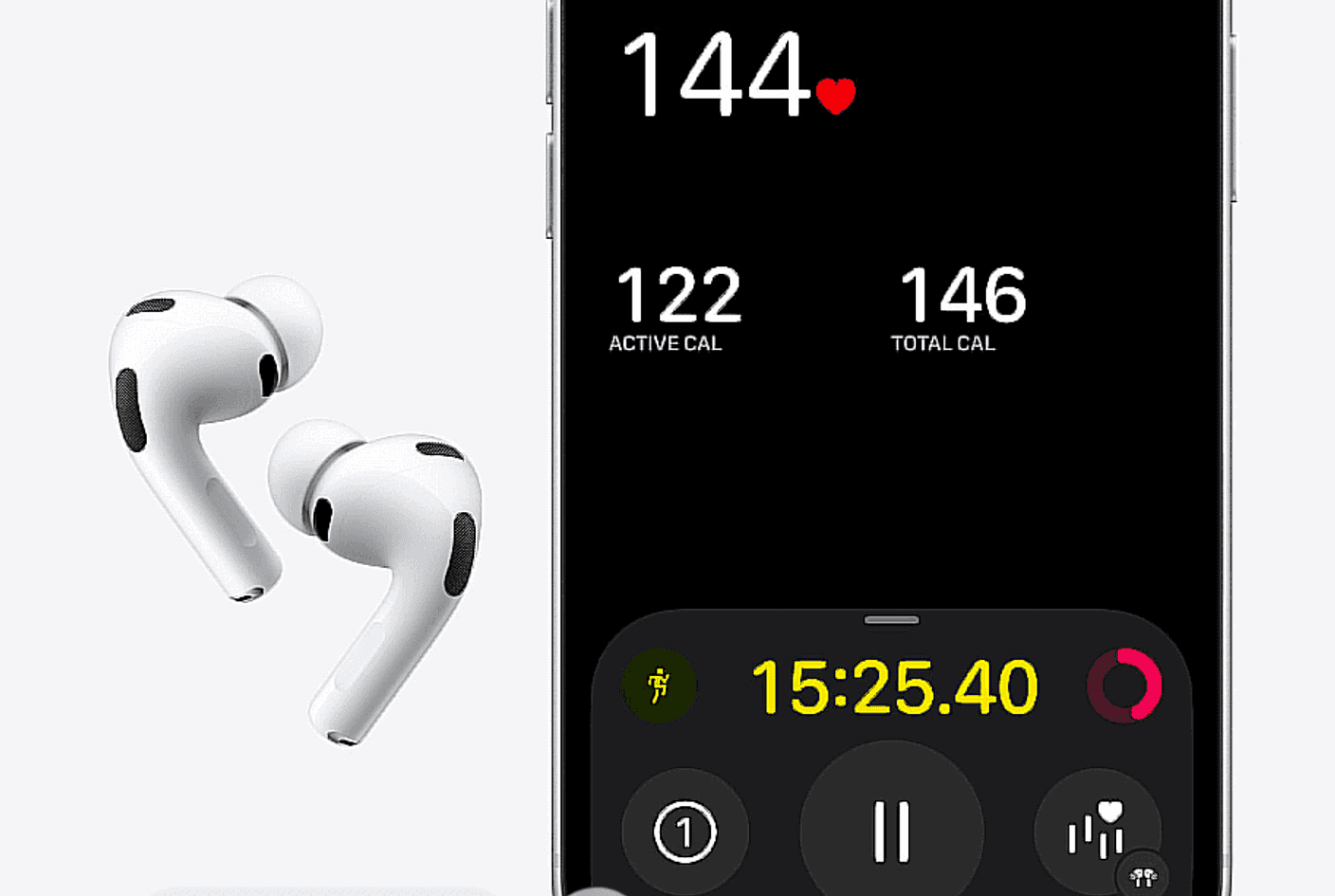
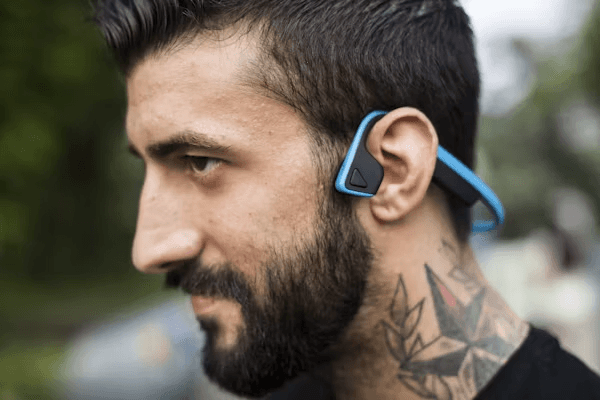
For years, earbuds have been getting smarter. Better sound, better noise cancellation, longer battery life. Those improvements were expected. What wasn't expected was the rise of health sensors within earbuds, turning a simple audio accessory into a wearable health device.
Smartwatches have dominated health tracking for over a decade, but earbuds may be uniquely positioned to collect biological data. They sit inside the ear canal, one of the most sensor-friendly locations on the body, offering access to temperature, heart rate, and potentially even more advanced biometrics in the future.
The question isn't whether health-tracking earbuds are coming. They're already here. The real question is how far manufacturers can push the category and whether consumers will embrace earbuds as serious health tools.
Why Earbuds Are Becoming Health Devices
The ear provides a surprisingly reliable location for biometric monitoring. Unlike wrists, which move constantly and experience varying skin contact, earbuds remain relatively stable during use.
This gives manufacturers opportunities to gather health data with potentially greater consistency.
Current health-focused earbuds are already capable of measuring:
Heart rate
Heart rate variability (HRV)
Body temperature
Physical activity metrics
Stress indicators
Workout performance data
As sensor technology improves, industry researchers are exploring even more advanced applications, including blood pressure estimation, respiratory monitoring, and early illness detection.
In short, your next pair of earbuds could become a health tracker that just happens to play music.
The Products Leading the Charge
Several major brands have already started experimenting with health-focused audio wearables.
Apple AirPods Pro 3: $249.00
Buy Here:https://www.apple.com/airpods-pro/
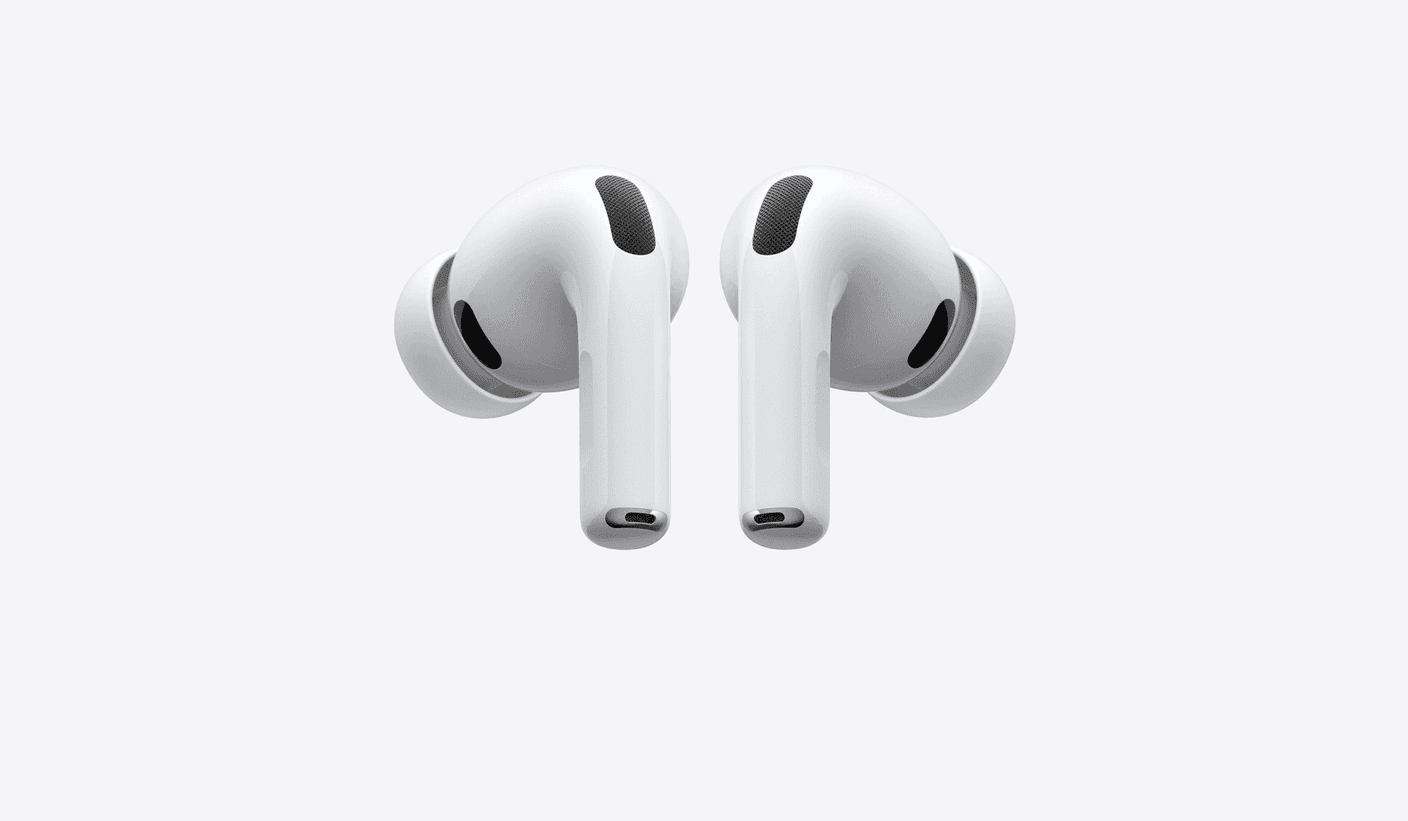
Image: Apple
The most influential example isn't necessarily the most advanced one.
The latest AirPods Pro 3 have expanded well beyond audio, introducing hearing-health features, hearing protection capabilities, and hearing assistance tools in supported regions.
While Apple isn't positioning them as a medical health tracker, the company's strategy is clear: turn earbuds into an extension of its broader health ecosystem.
For users already invested in Apple Health and the Apple Watch, AirPods are becoming another sensor platform rather than just another accessory.
Samsung Galaxy Buds3 Pro: $249.99
Buy Here:https://www.samsung.com/us/mobile-audio/galaxy-buds3-pro/
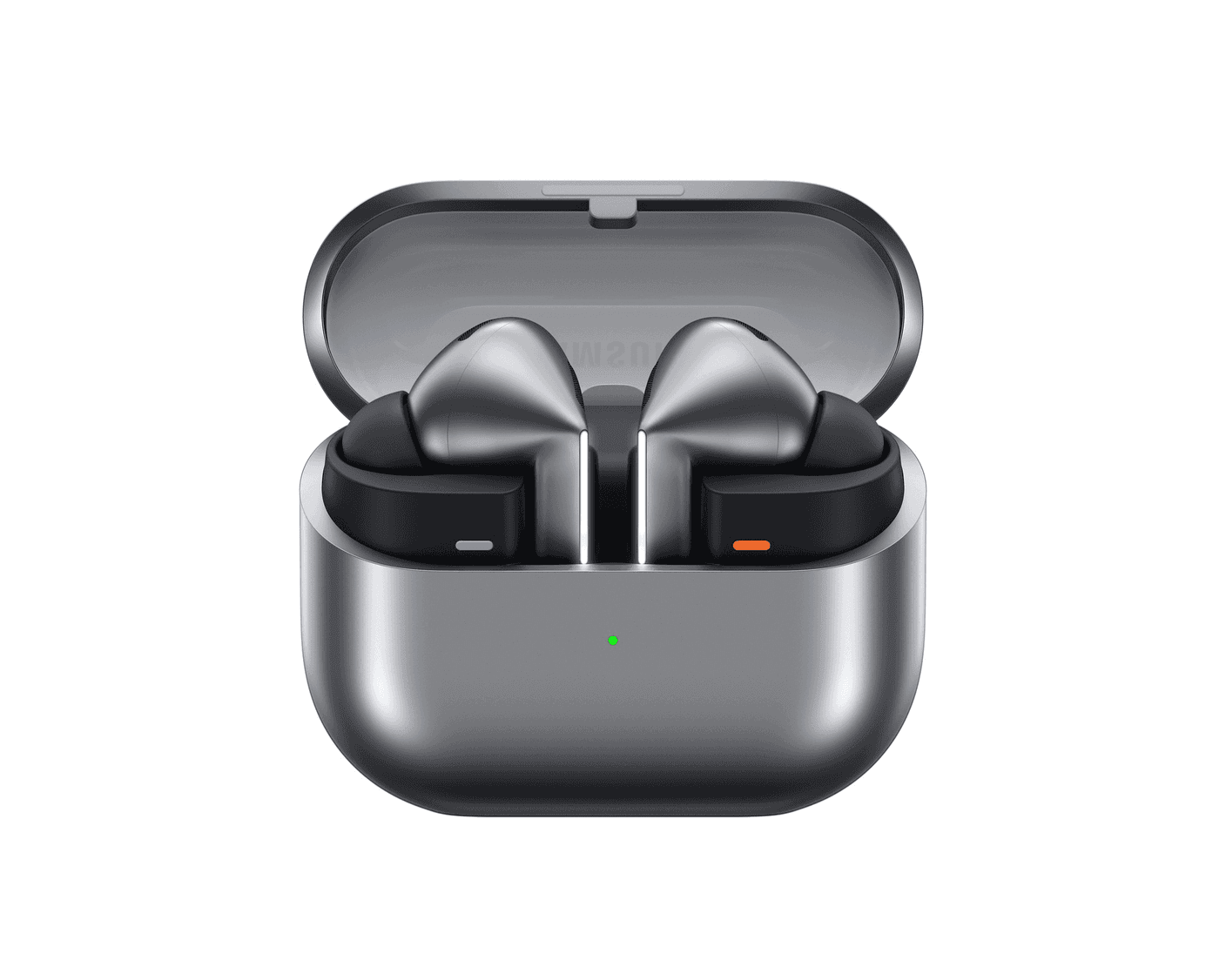
Image: Samsung
Samsung continues integrating wellness features throughout its ecosystem, and the Galaxy Buds3 Pro is part of that vision.
When paired with Samsung Health-compatible devices, these earbuds contribute to fitness tracking and wellness monitoring while delivering flagship audio performance.
Samsung's long-term approach appears focused on combining earbuds, smartphones, smartwatches, and AI-powered health analysis into a unified experience.
By Sophie Bennett
•




Audio
For years, earbuds have been getting smarter. Better sound, better noise cancellation, longer battery life. Those improvements were expected. What wasn't expected was the rise of health sensors within earbuds, turning a simple audio accessory into a wearable health device.
Smartwatches have dominated health tracking for over a decade, but earbuds may be uniquely positioned to collect biological data. They sit inside the ear canal, one of the most sensor-friendly locations on the body, offering access to temperature, heart rate, and potentially even more advanced biometrics in the future.
The question isn't whether health-tracking earbuds are coming. They're already here. The real question is how far manufacturers can push the category and whether consumers will embrace earbuds as serious health tools.
Why Earbuds Are Becoming Health Devices
The ear provides a surprisingly reliable location for biometric monitoring. Unlike wrists, which move constantly and experience varying skin contact, earbuds remain relatively stable during use.
This gives manufacturers opportunities to gather health data with potentially greater consistency.
Current health-focused earbuds are already capable of measuring:
Heart rate
Heart rate variability (HRV)
Body temperature
Physical activity metrics
Stress indicators
Workout performance data
As sensor technology improves, industry researchers are exploring even more advanced applications, including blood pressure estimation, respiratory monitoring, and early illness detection.
In short, your next pair of earbuds could become a health tracker that just happens to play music.
The Products Leading the Charge
Several major brands have already started experimenting with health-focused audio wearables.
Apple AirPods Pro 3: $249.00
Buy Here:https://www.apple.com/airpods-pro/
Image: Apple
The most influential example isn't necessarily the most advanced one.
The latest AirPods Pro 3 have expanded well beyond audio, introducing hearing-health features, hearing protection capabilities, and hearing assistance tools in supported regions.
While Apple isn't positioning them as a medical health tracker, the company's strategy is clear: turn earbuds into an extension of its broader health ecosystem.
For users already invested in Apple Health and the Apple Watch, AirPods are becoming another sensor platform rather than just another accessory.
Samsung Galaxy Buds3 Pro: $249.99
Buy Here:https://www.samsung.com/us/mobile-audio/galaxy-buds3-pro/
Image: Samsung
Samsung continues integrating wellness features throughout its ecosystem, and the Galaxy Buds3 Pro is part of that vision.
When paired with Samsung Health-compatible devices, these earbuds contribute to fitness tracking and wellness monitoring while delivering flagship audio performance.
Samsung's long-term approach appears focused on combining earbuds, smartphones, smartwatches, and AI-powered health analysis into a unified experience.
By Sophie Bennett
•
Audio
For years, earbuds have been getting smarter. Better sound, better noise cancellation, longer battery life. Those improvements were expected. What wasn't expected was the rise of health sensors within earbuds, turning a simple audio accessory into a wearable health device.
Smartwatches have dominated health tracking for over a decade, but earbuds may be uniquely positioned to collect biological data. They sit inside the ear canal, one of the most sensor-friendly locations on the body, offering access to temperature, heart rate, and potentially even more advanced biometrics in the future.
The question isn't whether health-tracking earbuds are coming. They're already here. The real question is how far manufacturers can push the category and whether consumers will embrace earbuds as serious health tools.
Why Earbuds Are Becoming Health Devices
The ear provides a surprisingly reliable location for biometric monitoring. Unlike wrists, which move constantly and experience varying skin contact, earbuds remain relatively stable during use.
This gives manufacturers opportunities to gather health data with potentially greater consistency.
Current health-focused earbuds are already capable of measuring:
Heart rate
Heart rate variability (HRV)
Body temperature
Physical activity metrics
Stress indicators
Workout performance data
As sensor technology improves, industry researchers are exploring even more advanced applications, including blood pressure estimation, respiratory monitoring, and early illness detection.
In short, your next pair of earbuds could become a health tracker that just happens to play music.
The Products Leading the Charge
Several major brands have already started experimenting with health-focused audio wearables.
Apple AirPods Pro 3: $249.00
Buy Here:https://www.apple.com/airpods-pro/
Image: Apple
The most influential example isn't necessarily the most advanced one.
The latest AirPods Pro 3 have expanded well beyond audio, introducing hearing-health features, hearing protection capabilities, and hearing assistance tools in supported regions.
While Apple isn't positioning them as a medical health tracker, the company's strategy is clear: turn earbuds into an extension of its broader health ecosystem.
For users already invested in Apple Health and the Apple Watch, AirPods are becoming another sensor platform rather than just another accessory.
Samsung Galaxy Buds3 Pro: $249.99
Buy Here:https://www.samsung.com/us/mobile-audio/galaxy-buds3-pro/
Image: Samsung
Samsung continues integrating wellness features throughout its ecosystem, and the Galaxy Buds3 Pro is part of that vision.
When paired with Samsung Health-compatible devices, these earbuds contribute to fitness tracking and wellness monitoring while delivering flagship audio performance.
Samsung's long-term approach appears focused on combining earbuds, smartphones, smartwatches, and AI-powered health analysis into a unified experience.
By Sophie Bennett
•
Smart Home
Smart home technology has spent years promising a future where our devices understand us, automate everyday tasks, and quietly make life easier. In 2026, that vision is finally starting to feel real. The biggest shift isn't that devices are getting smarter, it's that artificial intelligence is becoming the operating system of the modern home.
From robot vacuums that understand room layouts to security cameras that can distinguish between a package delivery and a potential threat, AI in the home has evolved beyond simple automation. The smartest devices of 2026 aren't just connected. They're proactive, adaptive, and increasingly capable of making useful decisions without constant user input.
For anyone following smart home trends, 2026 is shaping up to be the year AI stops being a feature and becomes the foundation. More importantly, many of the technologies driving this shift are already available to buy today.
The Shift From Smart Devices to Intelligent Homes
The first wave of smart home products focused on connectivity. You could turn lights on from your phone, check camera feeds remotely, or schedule your thermostat.
The second wave introduced automation through routines and integrations.
Now, we're entering the third phase: AI-powered intelligence.
Modern smart home devices can learn behavioral patterns, predict needs, and adapt to changing circumstances. Instead of programming every action manually, homeowners increasingly let AI systems make recommendations and adjustments automatically.
The difference may sound subtle, but it's transforming how people interact with technology at home.
A great example is the Google Nest Learning Thermostat (4th Gen), currently available for $279.99 USD:https://store.google.com/product/nest_learning_thermostat
Unlike traditional programmable thermostats, it learns occupancy patterns, analyzes weather forecasts, and automatically adjusts temperatures to balance comfort and efficiency.
Similarly, AI-powered security systems now understand context rather than simply reacting to motion.
Smart Home Hubs Are Becoming AI Assistants
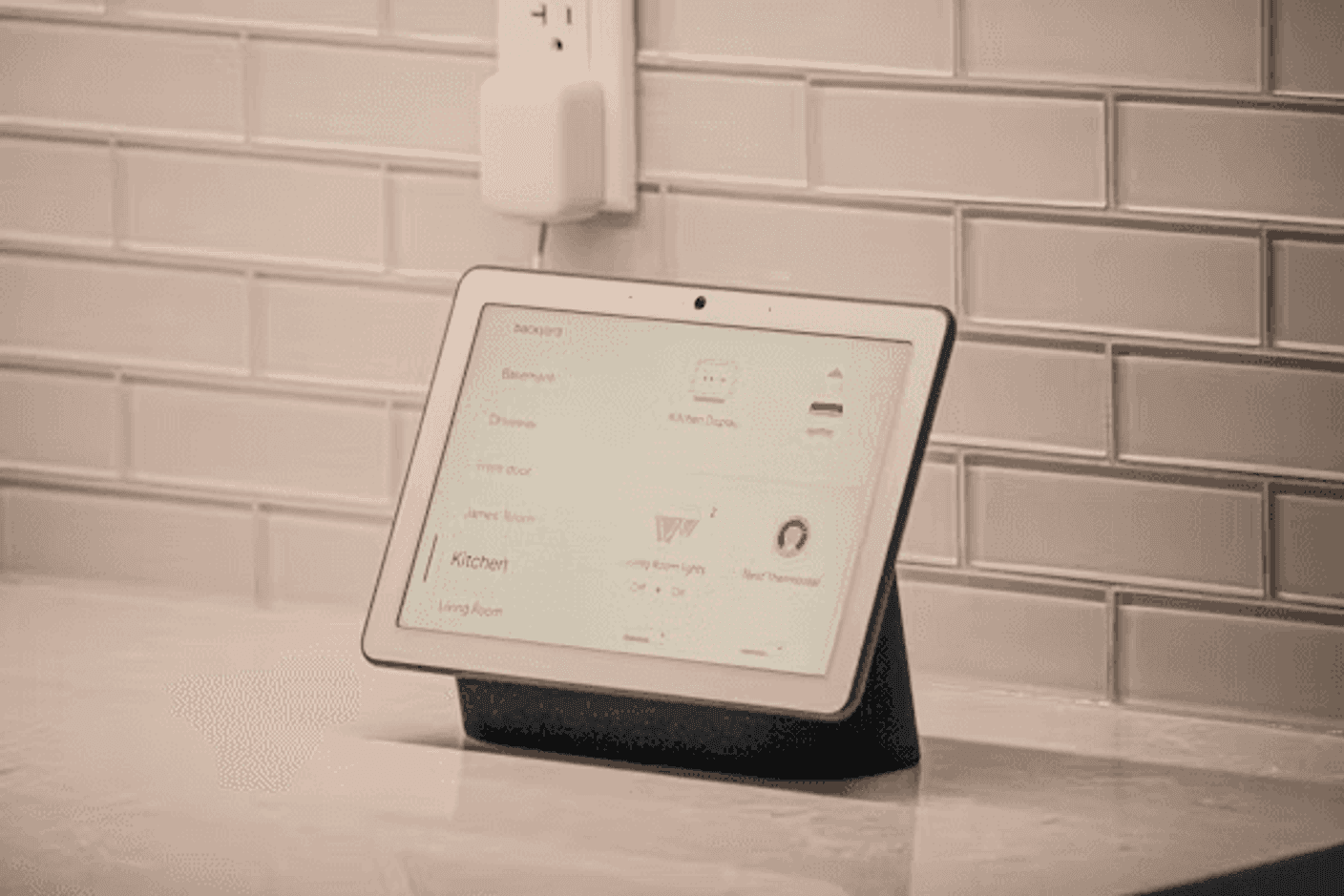
The traditional smart speaker is evolving into something much more powerful.
Voice Assistants Are Finally Getting Smarter
For years, voice assistants were limited to commands and simple questions. Now, large language models have dramatically expanded their capabilities.
Instead of saying:
"Turn on the kitchen lights."
Users can now say:
"I'm cooking dinner and need better lighting."
The AI understands intent and adjusts multiple devices accordingly.
This contextual understanding is making smart home interactions feel significantly more natural.
One of the strongest examples today is the Amazon Echo Show 8 (3rd Gen) for $149.99 USD:https://www.amazon.com/dp/B0BLS3Y632
Combined with Alexa's latest AI capabilities, it can manage smart home devices, answer contextual questions, create routines, and serve as a central household dashboard.
The result is a smart home experience that feels less like operating technology and more like communicating with a capable assistant.
Local AI Processing Is Improving Privacy.
Rather than sending every voice command and sensor reading to the cloud, many manufacturers now process data locally.
This approach offers:
Faster responses
Better reliability
Improved privacy
Reduced dependence on internet connectivity
For consumers concerned about smart home security, local AI processing is becoming a major selling point.
Apple's HomePod (2nd Generation), priced at $299.00 USD, remains one of the strongest examples of privacy-focused smart home control: https://www.apple.com/homepod-2nd-generation/
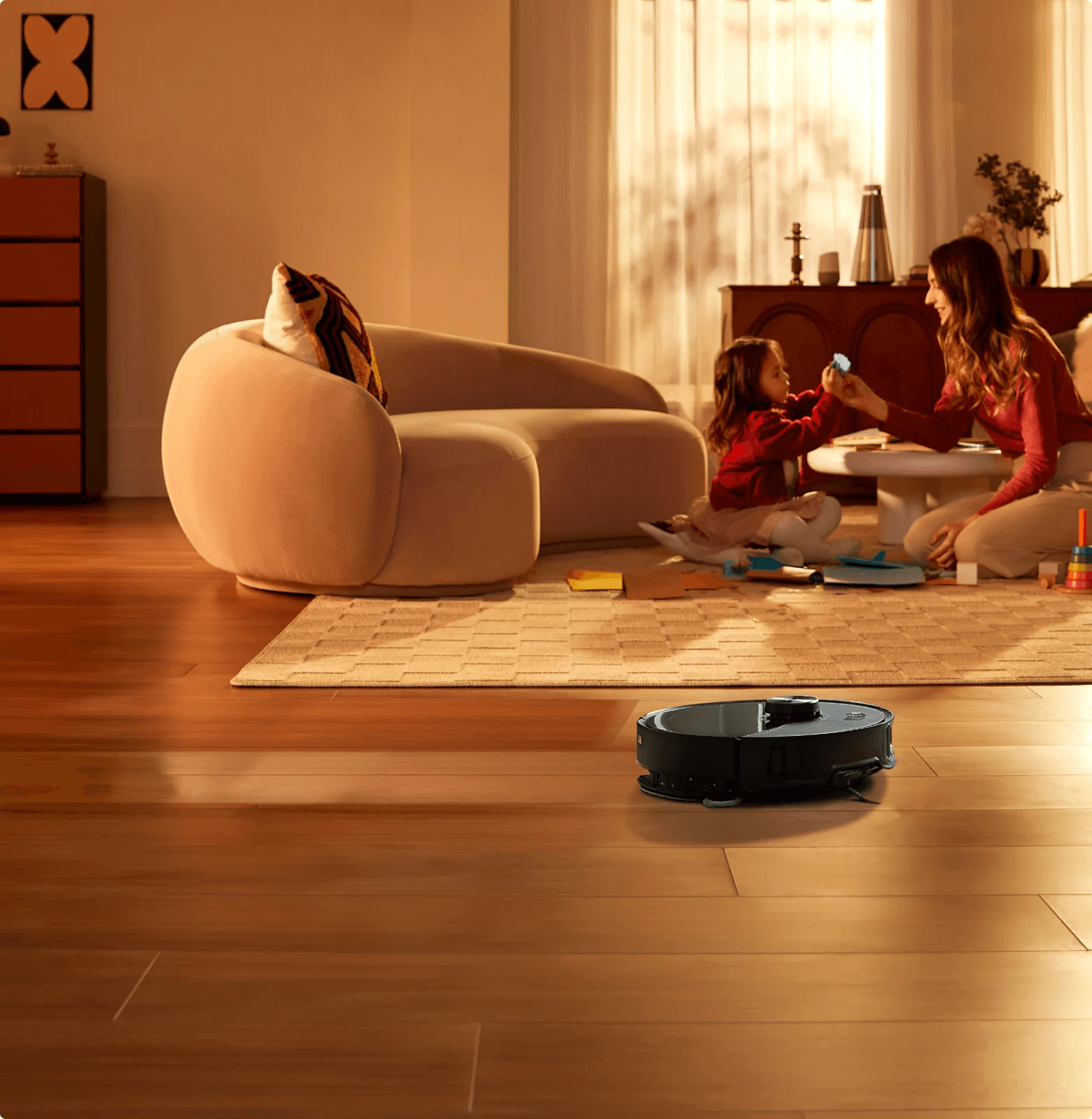
Robot Vacuums Are Becoming Household Managers
They don’t clean floors aimlessly. Its AI grew more intelligent to identify obstacles to avoid while continuing its function almost perfectly.
Smarter Navigation and Object Recognition
The best models in 2026 can identify:
Shoes
Pet waste
Power cables
Toys
Furniture changes
Household obstacles
Instead of bumping into objects and hoping for the best, these devices create detailed environmental maps and continuously update them.
Some systems even learn cleaning preferences for different rooms.
For example, the vacuum may automatically increase cleaning frequency in high-traffic areas while reducing unnecessary runs elsewhere.
The standout product here is the Roborock S8 MaxV Ultra, currently selling for $1,799.99 USD:https://us.roborock.com/products/roborock-s8-maxv-ultra
Multi-Tasking Robots Are Emerging
We're beginning to see robot vacuums evolve into broader home maintenance platforms.
New premium models can:
Vacuum
Mop
Self-clean
Detect spills
Provide home status updates
The ECOVACS DEEBOT X2 OMNI, available for approximately $1,299.99 USD, is another strong example:https://www.ecovacs.com/us/deebot-robotic-vacuum-cleaner/deebot-x2-omni
While we're still far from science-fiction household robots, the trajectory is becoming increasingly clear.
By Oliver Hayes
•



Smart Home
Smart home technology has spent years promising a future where our devices understand us, automate everyday tasks, and quietly make life easier. In 2026, that vision is finally starting to feel real. The biggest shift isn't that devices are getting smarter, it's that artificial intelligence is becoming the operating system of the modern home.
From robot vacuums that understand room layouts to security cameras that can distinguish between a package delivery and a potential threat, AI in the home has evolved beyond simple automation. The smartest devices of 2026 aren't just connected. They're proactive, adaptive, and increasingly capable of making useful decisions without constant user input.
For anyone following smart home trends, 2026 is shaping up to be the year AI stops being a feature and becomes the foundation. More importantly, many of the technologies driving this shift are already available to buy today.
The Shift From Smart Devices to Intelligent Homes
The first wave of smart home products focused on connectivity. You could turn lights on from your phone, check camera feeds remotely, or schedule your thermostat.
The second wave introduced automation through routines and integrations.
Now, we're entering the third phase: AI-powered intelligence.
Modern smart home devices can learn behavioral patterns, predict needs, and adapt to changing circumstances. Instead of programming every action manually, homeowners increasingly let AI systems make recommendations and adjustments automatically.
The difference may sound subtle, but it's transforming how people interact with technology at home.
A great example is the Google Nest Learning Thermostat (4th Gen), currently available for $279.99 USD:https://store.google.com/product/nest_learning_thermostat
Unlike traditional programmable thermostats, it learns occupancy patterns, analyzes weather forecasts, and automatically adjusts temperatures to balance comfort and efficiency.
Similarly, AI-powered security systems now understand context rather than simply reacting to motion.
Smart Home Hubs Are Becoming AI Assistants
The traditional smart speaker is evolving into something much more powerful.
Voice Assistants Are Finally Getting Smarter
For years, voice assistants were limited to commands and simple questions. Now, large language models have dramatically expanded their capabilities.
Instead of saying:
"Turn on the kitchen lights."
Users can now say:
"I'm cooking dinner and need better lighting."
The AI understands intent and adjusts multiple devices accordingly.
This contextual understanding is making smart home interactions feel significantly more natural.
One of the strongest examples today is the Amazon Echo Show 8 (3rd Gen) for $149.99 USD:https://www.amazon.com/dp/B0BLS3Y632
Combined with Alexa's latest AI capabilities, it can manage smart home devices, answer contextual questions, create routines, and serve as a central household dashboard.
The result is a smart home experience that feels less like operating technology and more like communicating with a capable assistant.
Local AI Processing Is Improving Privacy.
Rather than sending every voice command and sensor reading to the cloud, many manufacturers now process data locally.
This approach offers:
Faster responses
Better reliability
Improved privacy
Reduced dependence on internet connectivity
For consumers concerned about smart home security, local AI processing is becoming a major selling point.
Apple's HomePod (2nd Generation), priced at $299.00 USD, remains one of the strongest examples of privacy-focused smart home control: https://www.apple.com/homepod-2nd-generation/
Robot Vacuums Are Becoming Household Managers
They don’t clean floors aimlessly. Its AI grew more intelligent to identify obstacles to avoid while continuing its function almost perfectly.
Smarter Navigation and Object Recognition
The best models in 2026 can identify:
Shoes
Pet waste
Power cables
Toys
Furniture changes
Household obstacles
Instead of bumping into objects and hoping for the best, these devices create detailed environmental maps and continuously update them.
Some systems even learn cleaning preferences for different rooms.
For example, the vacuum may automatically increase cleaning frequency in high-traffic areas while reducing unnecessary runs elsewhere.
The standout product here is the Roborock S8 MaxV Ultra, currently selling for $1,799.99 USD:https://us.roborock.com/products/roborock-s8-maxv-ultra
Multi-Tasking Robots Are Emerging
We're beginning to see robot vacuums evolve into broader home maintenance platforms.
New premium models can:
Vacuum
Mop
Self-clean
Detect spills
Provide home status updates
The ECOVACS DEEBOT X2 OMNI, available for approximately $1,299.99 USD, is another strong example:https://www.ecovacs.com/us/deebot-robotic-vacuum-cleaner/deebot-x2-omni
While we're still far from science-fiction household robots, the trajectory is becoming increasingly clear.
By Oliver Hayes
•
Smart Home
Smart home technology has spent years promising a future where our devices understand us, automate everyday tasks, and quietly make life easier. In 2026, that vision is finally starting to feel real. The biggest shift isn't that devices are getting smarter, it's that artificial intelligence is becoming the operating system of the modern home.
From robot vacuums that understand room layouts to security cameras that can distinguish between a package delivery and a potential threat, AI in the home has evolved beyond simple automation. The smartest devices of 2026 aren't just connected. They're proactive, adaptive, and increasingly capable of making useful decisions without constant user input.
For anyone following smart home trends, 2026 is shaping up to be the year AI stops being a feature and becomes the foundation. More importantly, many of the technologies driving this shift are already available to buy today.
The Shift From Smart Devices to Intelligent Homes
The first wave of smart home products focused on connectivity. You could turn lights on from your phone, check camera feeds remotely, or schedule your thermostat.
The second wave introduced automation through routines and integrations.
Now, we're entering the third phase: AI-powered intelligence.
Modern smart home devices can learn behavioral patterns, predict needs, and adapt to changing circumstances. Instead of programming every action manually, homeowners increasingly let AI systems make recommendations and adjustments automatically.
The difference may sound subtle, but it's transforming how people interact with technology at home.
A great example is the Google Nest Learning Thermostat (4th Gen), currently available for $279.99 USD:https://store.google.com/product/nest_learning_thermostat
Unlike traditional programmable thermostats, it learns occupancy patterns, analyzes weather forecasts, and automatically adjusts temperatures to balance comfort and efficiency.
Similarly, AI-powered security systems now understand context rather than simply reacting to motion.
Smart Home Hubs Are Becoming AI Assistants
The traditional smart speaker is evolving into something much more powerful.
Voice Assistants Are Finally Getting Smarter
For years, voice assistants were limited to commands and simple questions. Now, large language models have dramatically expanded their capabilities.
Instead of saying:
"Turn on the kitchen lights."
Users can now say:
"I'm cooking dinner and need better lighting."
The AI understands intent and adjusts multiple devices accordingly.
This contextual understanding is making smart home interactions feel significantly more natural.
One of the strongest examples today is the Amazon Echo Show 8 (3rd Gen) for $149.99 USD:https://www.amazon.com/dp/B0BLS3Y632
Combined with Alexa's latest AI capabilities, it can manage smart home devices, answer contextual questions, create routines, and serve as a central household dashboard.
The result is a smart home experience that feels less like operating technology and more like communicating with a capable assistant.
Local AI Processing Is Improving Privacy.
Rather than sending every voice command and sensor reading to the cloud, many manufacturers now process data locally.
This approach offers:
Faster responses
Better reliability
Improved privacy
Reduced dependence on internet connectivity
For consumers concerned about smart home security, local AI processing is becoming a major selling point.
Apple's HomePod (2nd Generation), priced at $299.00 USD, remains one of the strongest examples of privacy-focused smart home control: https://www.apple.com/homepod-2nd-generation/
Robot Vacuums Are Becoming Household Managers
They don’t clean floors aimlessly. Its AI grew more intelligent to identify obstacles to avoid while continuing its function almost perfectly.
Smarter Navigation and Object Recognition
The best models in 2026 can identify:
Shoes
Pet waste
Power cables
Toys
Furniture changes
Household obstacles
Instead of bumping into objects and hoping for the best, these devices create detailed environmental maps and continuously update them.
Some systems even learn cleaning preferences for different rooms.
For example, the vacuum may automatically increase cleaning frequency in high-traffic areas while reducing unnecessary runs elsewhere.
The standout product here is the Roborock S8 MaxV Ultra, currently selling for $1,799.99 USD:https://us.roborock.com/products/roborock-s8-maxv-ultra
Multi-Tasking Robots Are Emerging
We're beginning to see robot vacuums evolve into broader home maintenance platforms.
New premium models can:
Vacuum
Mop
Self-clean
Detect spills
Provide home status updates
The ECOVACS DEEBOT X2 OMNI, available for approximately $1,299.99 USD, is another strong example:https://www.ecovacs.com/us/deebot-robotic-vacuum-cleaner/deebot-x2-omni
While we're still far from science-fiction household robots, the trajectory is becoming increasingly clear.
By Oliver Hayes
•

Independent tech reviews.
Bought at retail, tested for
weeks, scored honestly. Made
in London, read in 47 countries.
Reviews
Latest
Editor's picks
Long-term tests
Re-scored
About
How we review
The team
Editorial standards
Contact
Follow
© 2026 TechUnboxed Ltd.
Privacy
Terms
Affiliate disclosure
Disclaimer: TechUnboxed is an independent reviews publication. Some links on this site are affiliate links — if you click through and buy, we may
earn a small commission at no extra cost to you. This never influences which products we cover or the scores we award. Editorial content is
produced independently of any commercial relationships, and every product reviewed is purchased at retail or returned after testing unless
explicitly noted. Star ratings, scores and “best of” picks reflect our team’s testing methodology and are accurate at time of publication;
specifications, prices and availability may change. Always verify critical details with the retailer before buying.
Independent tech reviews.
Bought at retail, tested for
weeks, scored honestly. Made
in London, read in 47 countries.
Reviews
Latest
Editor's picks
Long-term tests
Re-scored
About
How we review
The team
Editorial standards
Contact
Follow
© 2026 TechUnboxed Ltd.
Privacy
Terms
Affiliate disclosure
Disclaimer: TechUnboxed is an independent reviews publication. Some links on this site are affiliate links — if you click through and buy, we may
earn a small commission at no extra cost to you. This never influences which products we cover or the scores we award. Editorial content is
produced independently of any commercial relationships, and every product reviewed is purchased at retail or returned after testing unless
explicitly noted. Star ratings, scores and “best of” picks reflect our team’s testing methodology and are accurate at time of publication;
specifications, prices and availability may change. Always verify critical details with the retailer before buying.