iPhone vs Android for Health Tracking: Which Wins
Mobile
By Ethan Walker
[Image: Unsplash]
The iPhone vs Android debate has gotten a lot more interesting. Given the part where these technologies can track your health, we’re no longer just talking about step counters and calorie estimates, this is now about heart rate accuracy, sleep staging, HRV insights, and how deeply your phone actually plugs into your wearable ecosystem. Both OS are good, but they don’t play the health game the same way.
We’re putting these two mobile devices head-to-head: looking at sensors, apps, ecosystem integration, and real-world usability. And most importantly, actually works when your health data starts to matter.
Ecosystem Power: Apple Health vs Google Health Stack
iPhone: Apple Health as a Central Brain
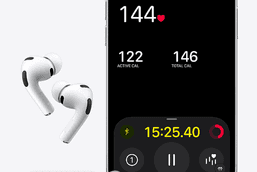
On the iPhone, health tracking feels like it was designed with a single vision. The Apple Health ecosystem acts like a central hub, pulling data from Apple Watch, third-party apps, and even some medical records in supported regions.
The biggest advantage? Everything feels unified. Steps, sleep, heart rate, VO₂ max, HRV, and even mindfulness data all live in one place without much setup friction.
Where it really wins is consistency. If you’re using an Apple Watch, the integration is almost boringly smooth, which is exactly what you want for health data.
Android: Flexible, But Fragmented
Android takes a different route. With Google Fit evolving into the broader Google Health Connect system, the idea is solid: unify data from different apps and devices into one layer.
But here’s the catch, it’s still dependent on manufacturers and apps playing nice. Samsung Health, Fitbit, and other ecosystems often feel like mini-walled gardens inside Android itself.
So while Android wins on flexibility, it loses points on cohesion. Your health data can end up scattered unless you commit to a single ecosystem like Samsung or Fitbit.
Verdict: iPhone wins for clean, unified health tracking. Android wins for customization, but at the cost of simplicity.
Wearable Integration: Apple Watch vs Everything Else
iPhone + Apple Watch: The Gold Standard Combo
This is where Apple absolutely flexes.
Pairing an iPhone with an Apple Watch unlocks the most polished health tracking experience on the market. We’re talking:
High-frequency heart rate monitoring
ECG functionality
Blood oxygen tracking (region-dependent)
Sleep stage analysis
Fall detection and emergency SOS
Tight integration with third-party fitness apps
The key strength isn’t just features, it’s data continuity. Apple controls both hardware and software, so sensor calibration and data syncing are extremely consistent.
Android: More Options, More Variability
Android has range, but also inconsistency.
You can go with:
Samsung Galaxy Watch ecosystem
Fitbit (now under Google)
Garmin for fitness-first users
Or countless budget wearables
The upside is choice. The downside is that accuracy, software polish, and data depth vary wildly between devices.
A Samsung Galaxy Watch paired with a Samsung phone feels close to Apple-level integration. But mix brands? You’ll start noticing gaps in syncing, app support, or advanced metrics.
Verdict: Apple Watch + iPhone is still the benchmark. Android wins on variety but not on uniform quality.
Health Data Accuracy & Insights
iPhone: Clean Data, Less Noise
Apple doesn’t necessarily collect more data, but it presents it better.
Apple Health focuses on trends: resting heart rate, HRV, sleep consistency, and cardio fitness. The system avoids overwhelming users with overly granular stats unless you dig deeper.
This makes it great for people who want actionable insights without needing a degree in sports science.
However, Apple is sometimes criticized for being a bit “closed”, less raw data exposure compared to Android fitness platforms.
Android: More Data, More Complexity
Android health apps, especially Samsung Health and Fitbit, tend to expose more granular metrics. You’ll often get:
More detailed sleep breakdowns
Stress tracking
Recovery scores
Training readiness (on select devices)
But more data isn’t always better. Interpretation varies, and not all Android health apps agree with each other on scoring systems.
So you get power, but also confusion.
Verdict: iPhone wins for clarity. Android wins for depth.
App Ecosystem & Third-Party Support
iPhone: The Developer Favorite
iOS is still the preferred platform for health and fitness developers. Apps like:
Strava
Nike Run Club
MyFitnessPal
Sleep tracking tools
All tend to launch polished iOS versions first, with tighter Apple Health integration.
The result is a smoother “plug-and-play” experience for health tracking enthusiasts.


Android: Wide but Inconsistent
Android has every app you could want, although optimization varies. Some apps integrate deeply with Google Health Connect, while others run independently.
This can lead to duplicated data or inconsistent tracking across platforms.
Verdict: iPhone wins for polish and consistency. Android wins for openness.
Battery Life & Passive Tracking
iPhone: Efficient but Wearable-Dependent
The iPhone itself is not your main health tracker, it’s more of a dashboard. Real tracking relies heavily on the Apple Watch.
Battery life is solid across devices, but passive tracking (like continuous HR or sleep monitoring) depends on wearing the watch daily.
Android: Longer Device Variety
On Android, battery life varies wildly depending on your wearable:
Fitbit devices can last up to a week or more
Samsung watches typically last 1–2 days
Garmin can stretch even further for fitness-focused models
This gives Android an edge in battery flexibility, especially for people who hate daily charging.
Verdict: Android wins on wearable battery diversity. iPhone wins on system optimization.
Real-World Use: What Actually Tracks Better?
If you’re someone who:
Wants simple health insights
Uses health data casually (steps, sleep, heart rate)
Prefers a “set it and forget it” system
iPhone + Apple Watch is unbeatable.
But if you’re someone who:
Loves data depth and customization
Wants multiple wearable options
Is into fitness analytics or training optimization
Android gives you more control and range.
This is less about raw power and more about philosophy: Apple simplifies health tracking, Android expands it.
Clear Verdict: Which Wins?
To really make this less complicated as possible for the sake of our health tracking.
Best overall experience: iPhone (especially with Apple Watch)
Best customization & device variety: Android
Best accuracy + simplicity combo: iPhone
Best for data nerds & fitness tinkerers: Android
For most people in 2026, the iPhone wins the iPhone vs Android for health tracking battle. Not because it tracks more, but because it tracks better in a way that actually makes sense. Android isn’t far behind, it’s just a more fragmented experience that rewards effort and setup.

Ethan Walker
Consumer Tech & Mobile Writer
Ethan's love for technology started with building PCs and experimenting with gadgets at a young age. Today, he covers consumer tech, smartphones, and emerging innovations, helping readers understand what products are actually worth their attention.