Best Bone Conduction Headphones for Cycling Safety
Audio
By Sophie Bennett


Bone conduction headphones have gone from niche gear to must-have tech for riders who want music without losing awareness of traffic, pedestrians, or sudden hazards. Unlike traditional earbuds that block your ear canal, bone conduction headphones sit outside the ear and transmit sound through your cheekbones, keeping your ears open while still delivering audio.
For cyclists, that difference is everything. You’re not just choosing sound quality here, you’re choosing situational awareness. In this roundup, we’ve tested and compared the best bone conduction headphones for cycling safety you can actually buy right now, focusing on comfort, battery life, sound clarity, and how well they keep you alert on busy roads.
Comparison Table: Bone Conduction Headphones for Cycling Safety
Product | Score | Price (USD) | Battery Life | Best For | Key Strength |
|---|---|---|---|---|---|
Shokz OpenRun Pro 2 | A+ | $179.95 | ~12 hrs | Overall cycling performance | Audio clarity & balance |
Suunto Wing | A- | $149.00 | ~10 hrs | Night riding | Safety LED lights |
Mojawa Run Plus | B+ | $129.99 | ~10 hrs | Value buyers | Price-to-performance |
Shokz OpenRun | B+ | $129.95 | ~8 hrs | Beginners | Lightweight simplicity |
Shokz OpenSwim | B | $149.95 | ~8 hrs (playback) | Multi-sport athletes | Waterproof MP3 system |
Shokz OpenRun Pro 2: Best Overall for Cyclists (A+)
Shokz OpenRun Pro 2 continues to dominate the bone conduction space, and for cyclists, it’s still the most balanced option in 2026.
Pros
Excellent clarity even at higher speeds
Lightweight and stable under helmets
Strong battery life (up to ~12 hours)
Fast charge = 1.5 hours playback in minutes
Cons
Premium price
Still weaker bass vs in-ear headphones
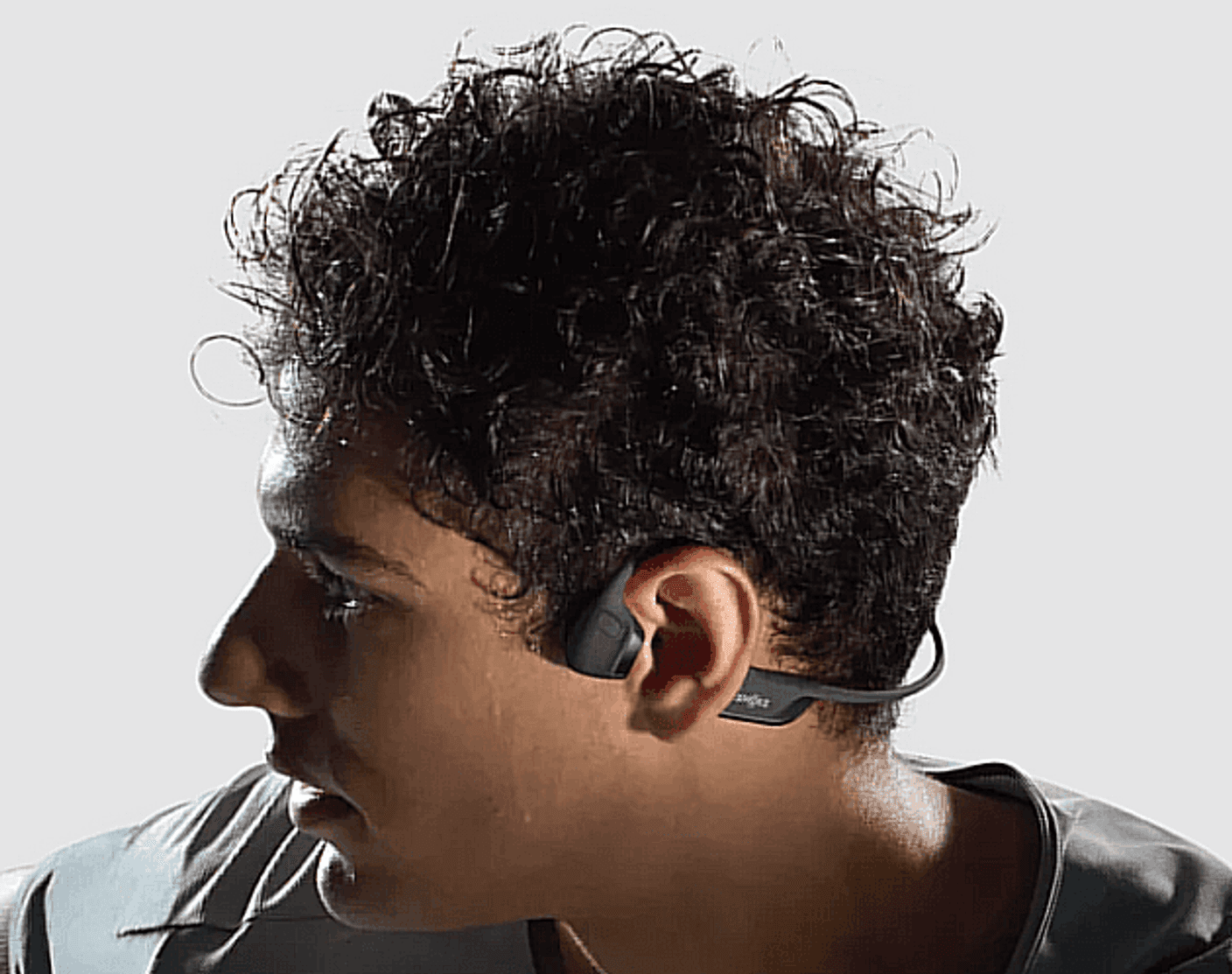
Image: Shokz
The OpenRun Pro 2 refines Shokz’s already proven formula. Where older models struggled with wind noise at speed, this version handles cycling environments noticeably better. At 25–35 km/h, audio remains intelligible without cranking volume dangerously high.
What makes it stand out is consistency. Whether you're doing city commuting or long weekend rides, no fiddling, no discomfort, just you and your tunes on the road while open ears to your surroundings.
Standout Feature
Improved dual-driver bone conduction system for clearer mids and reduced vibration distortion.
Score: A+
Suunto Wing: Best for Night Riding & Safety Features (A-)
Suunto Wing is less about pure audio and more about making you safer on the road.
Pros
Integrated LED safety lights
Strong build quality for outdoor abuse
Good awareness retention
Stable fit for aggressive riding
Cons
Slightly heavier than Shokz models
Sound quality not as refined
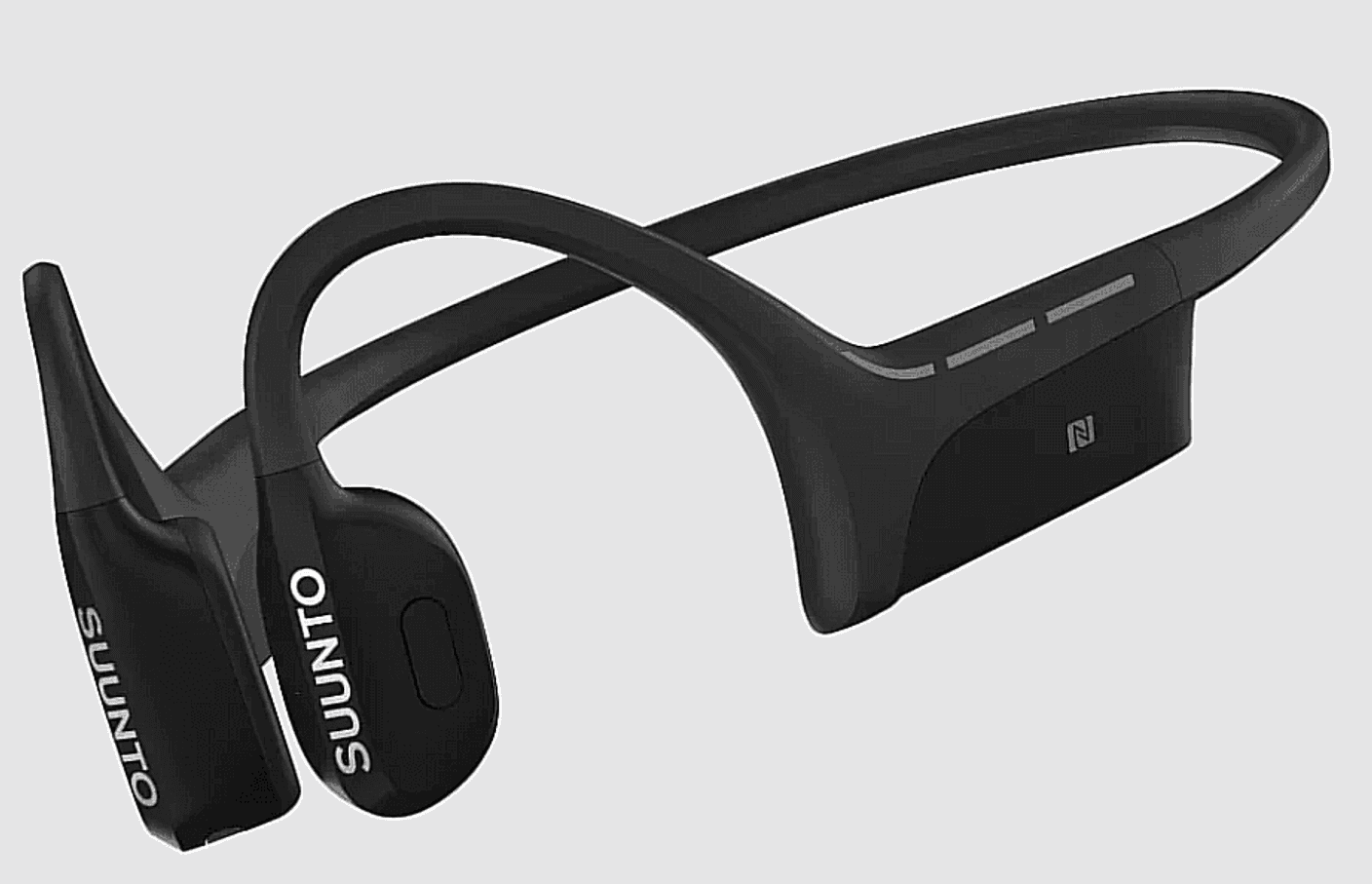
Image: Suunto
Suunto clearly designed the Wing for endurance athletes. The bone conduction audio is solid but not class-leading. Where it shines is safety and durability, this thing is built for cyclists who ride in tougher conditions.
The LED strips on the sides are more than gimmick, they make you noticeably more visible in early morning and evening rides, exactly when cycling accidents spike.
Standout Feature
Motion-responsive LED safety lighting system.
Score: A-


Mojawa Run Plus: Best Value Performance Pick (B+)
Mojawa Run Plus is the sleeper hit in the bone conduction category.
Pros
Strong value for money
Decent bass response for bone conduction
Waterproof design (good for sweat/rain)
Comfortable for long rides
Cons
Slightly bulkier frame
Touch controls can be inconsistent
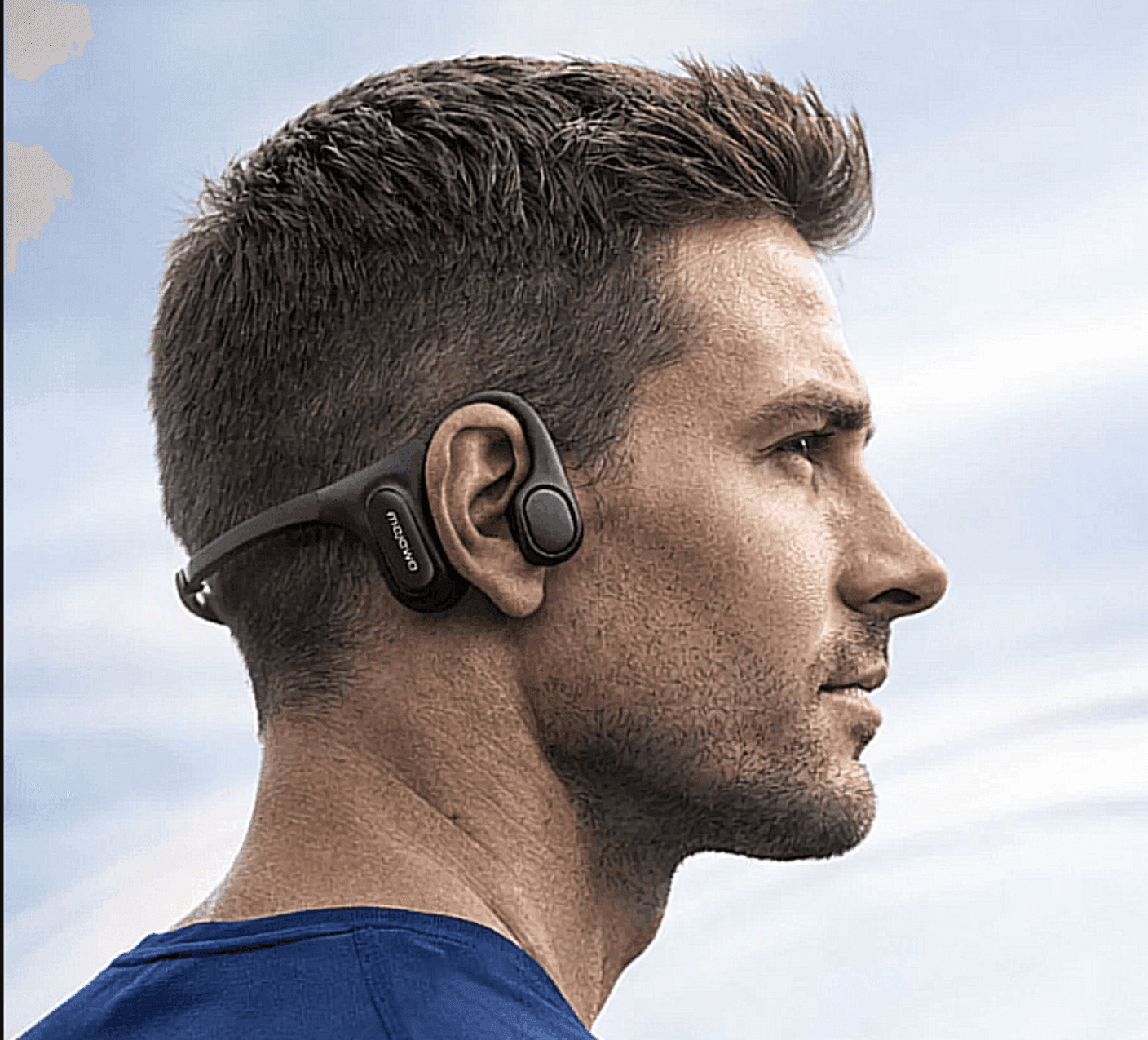
Image: Mojawa
Mojawa has improved significantly in recent iterations. The Run Plus doesn’t beat Shokz in refinement, but for cyclists who want solid performance without spending premium money, it’s compelling.
During road testing, it held up well on mixed terrain rides and didn’t bounce under helmet straps. Audio leakage is minimal unless you push max volume.
Standout Feature
Best bass response in its price class.
Score: B+
Shokz OpenRun: Best Budget Reliable Option (B+)
Shokz OpenRun is the entry point into the Shokz ecosystem and still a safe recommendation.
Pros
Lightweight and simple
Strong brand reliability
Good battery life (~8 hours)
Very stable fit
Cons
Limited bass and dynamic range
Older design vs Pro models
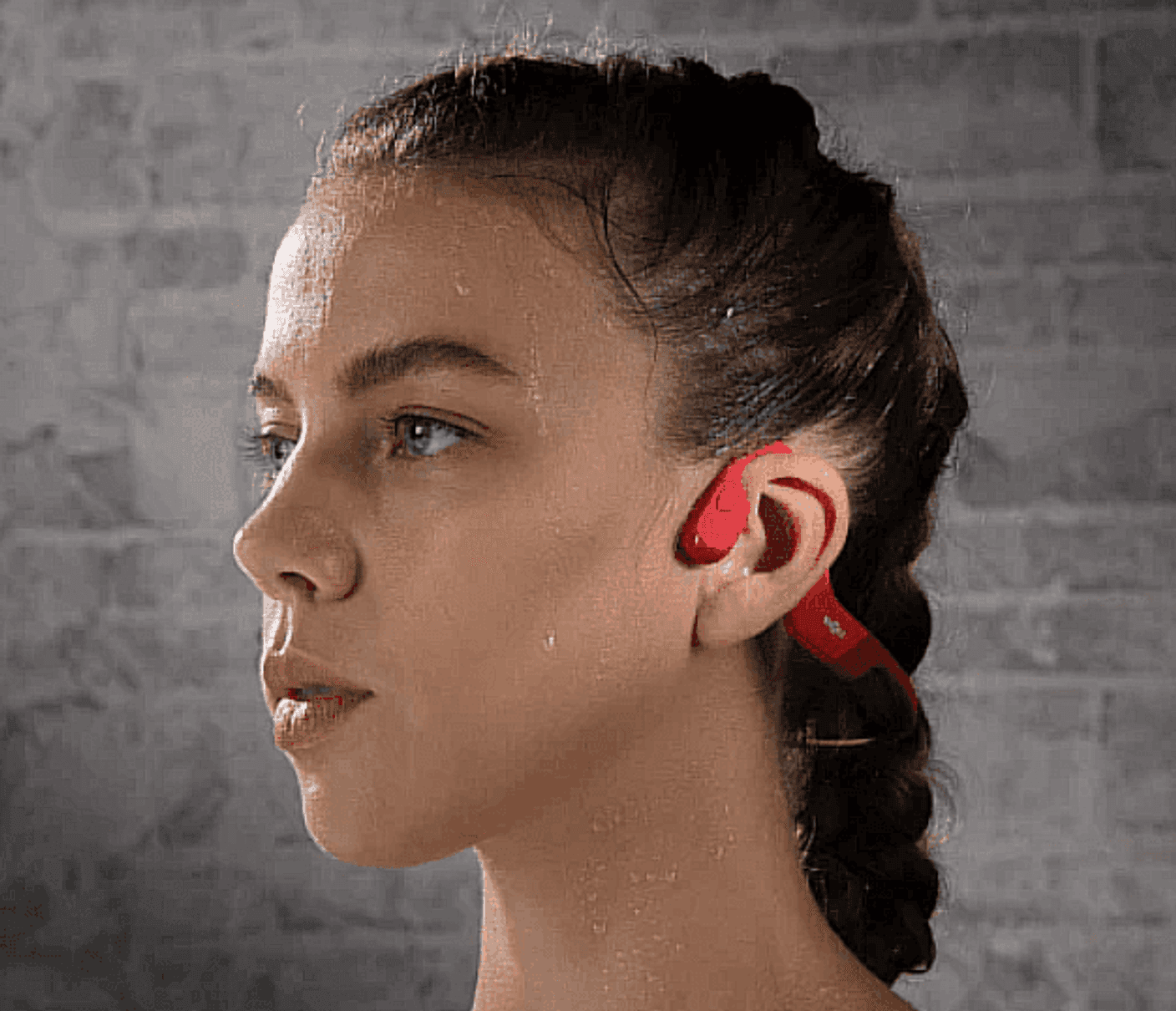
Image: Shokz
This is the “just works” option. It doesn’t try to impress with advanced features. Instead, it focuses on consistency. For city commuters and casual riders, that’s often enough.
It’s especially good for riders upgrading from cheap earbuds and wanting a safer alternative without overthinking specs.
Standout Feature
Ultra-light frame that disappears during rides.
Score: B+


Shokz OpenSwim: Best for Multi-Sport Cyclists & Swimmers (B)
Shokz OpenSwim is technically older, but still relevant for multi-sport athletes.
Pros
Fully waterproof (swimming capable)
Built-in MP3 storage (no phone needed)
Extremely secure fit
Cons
No Bluetooth support
Limited use outside offline playback
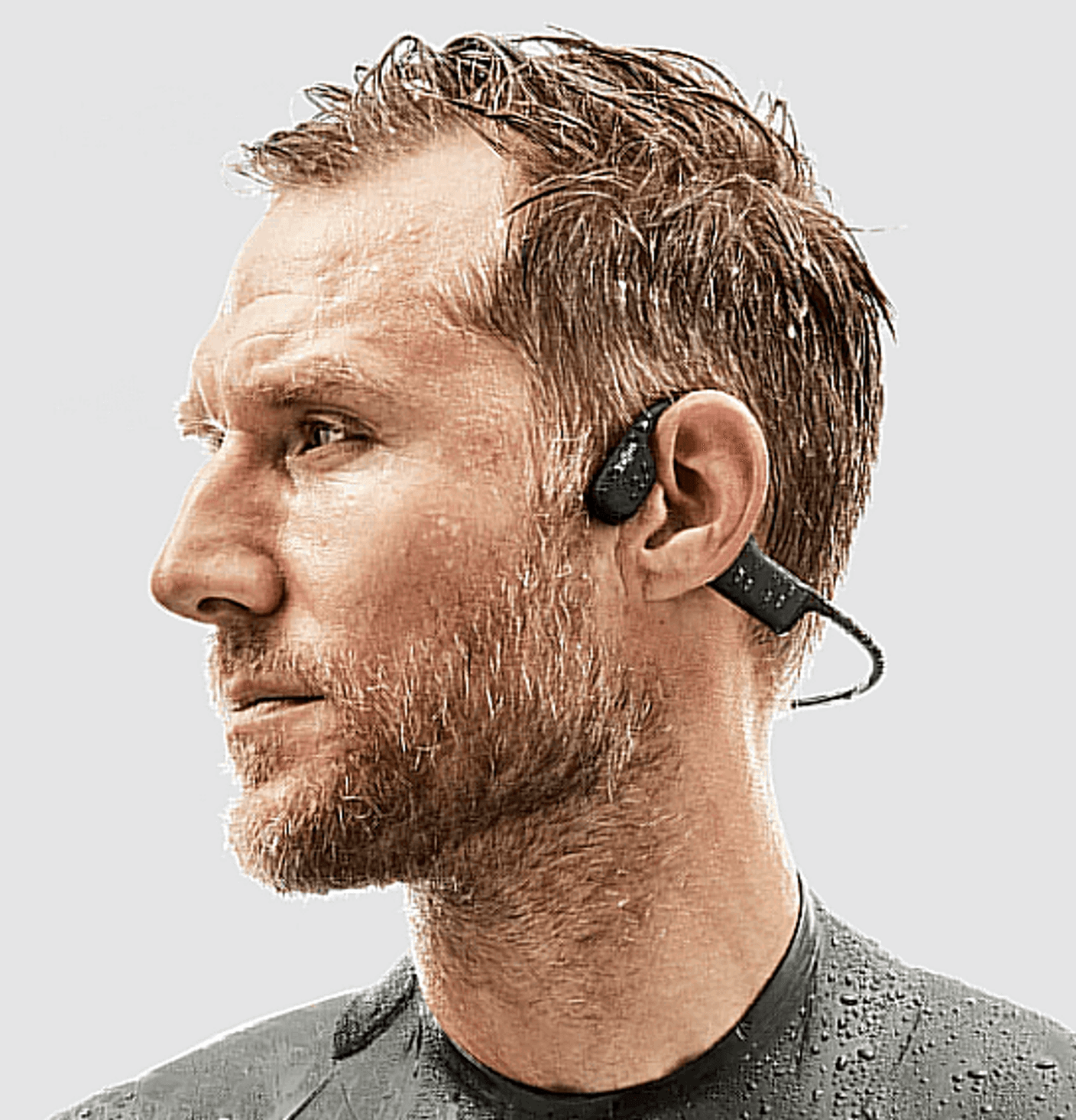
Image: Shokz
This is a specialized tool. For cycling alone, it’s not ideal. But if your training includes pool sessions or triathlon-style workouts, the OpenSwim becomes more valuable.
The lack of Bluetooth means you must preload music, which is a limitation, but also a reliability advantage underwater and in harsh environments.
Standout Feature
100% standalone MP3 playback with waterproof design.
Score: B
Final Verdict: What Should Cyclists Actually Buy?
If you’re serious about cycling safety and want the best all-round experience, Shokz OpenRun Pro 2 is the clear winner. It balances awareness, comfort, and sound better than anything else in this category.
If visibility matters more, especially for night commuters, Suunto Wing is the smartest safety-focused choice.
Budget riders can safely go with Shokz OpenRun or Mojawa Run Plus, depending on whether they prioritize brand reliability or raw value.
Bone conduction headphones for cycling safety aren’t about replacing your earbuds, they’re about replacing risk. And in that tradeoff, these are the ones that actually get it right.
If you want to know more of its worth while running, then check out our Open-Ear Headphones: Are They Worth It for Runners article.

Sophie Bennett
Wearables & Health Tech Writer
Sophie focuses on wearables, fitness technology, and digital health trends. She enjoys breaking down complex health features into easy-to-understand insights that help readers get more value from their devices.