Best Tech Tools for Managing Menopause Symptoms
Health Tech
By Sophie Bennett



Menopause is one of those life stages that technology has quietly become surprisingly good at helping with. From tracking sleep disruptions and hot flashes to monitoring stress, recovery, and daily activity, today's wearables can provide meaningful insights that help women better understand what their bodies are doing.
The best tech tools for managing menopause symptoms aren't necessarily the devices with the most sensors or the flashiest displays. They're the ones that help identify patterns, provide actionable health data, and make symptom tracking less of a chore.
After comparing today's leading health wearables and wellness technologies, we've selected the best options currently available. And while several smartwatches made the list, our top overall pick is actually a dedicated health band.
How We Chose These Menopause Tech Tools
Our selections focused on factors that directly affect menopause symptom management:
Sleep tracking accuracy
Recovery monitoring
Stress analysis
Comfort for 24/7 wear
Long-term health trend visibility
Ease of use
Value for money
If you'd like to learn more about wearable health technology, check out Tech Unboxed's guides on smart wearables and health tech explained articles.
Quick Comparison Table
Product | Type | Price (USD) | Best For | Rating |
|---|---|---|---|---|
HLTH Band | Health Tracking Band | $99.00 | Overall Menopause Management | A+ |
Apple Watch Series 11 | Smartwatch | $399.00 | iPhone Users | A |
Oura Ring 4 | Smart Ring | $349.00 | Sleep & Recovery Tracking | A |
Garmin Venu 3S | Smartwatch | $449.99 | Active Lifestyles | A- |
Fitbit Charge 6 | Fitness Band | $159.95 | Budget-Friendly Tracking | B+ |
Samsung Galaxy Watch7 | Smartwatch | $299.99 | Android Users | B+ |
Whoop 5.0 | Wearable Membership Device | $239.00/year | Recovery Insights | B |
Why HLTH Band Is Our Best Overall Pick
Pros
Excellent long-term health tracking
Lightweight and comfortable
Focused wellness experience
Strong sleep and recovery insights
Less distracting than traditional smartwatches
Cons
No full smartwatch app ecosystem
Limited third-party integrations
Not designed for advanced smartwatch functionality
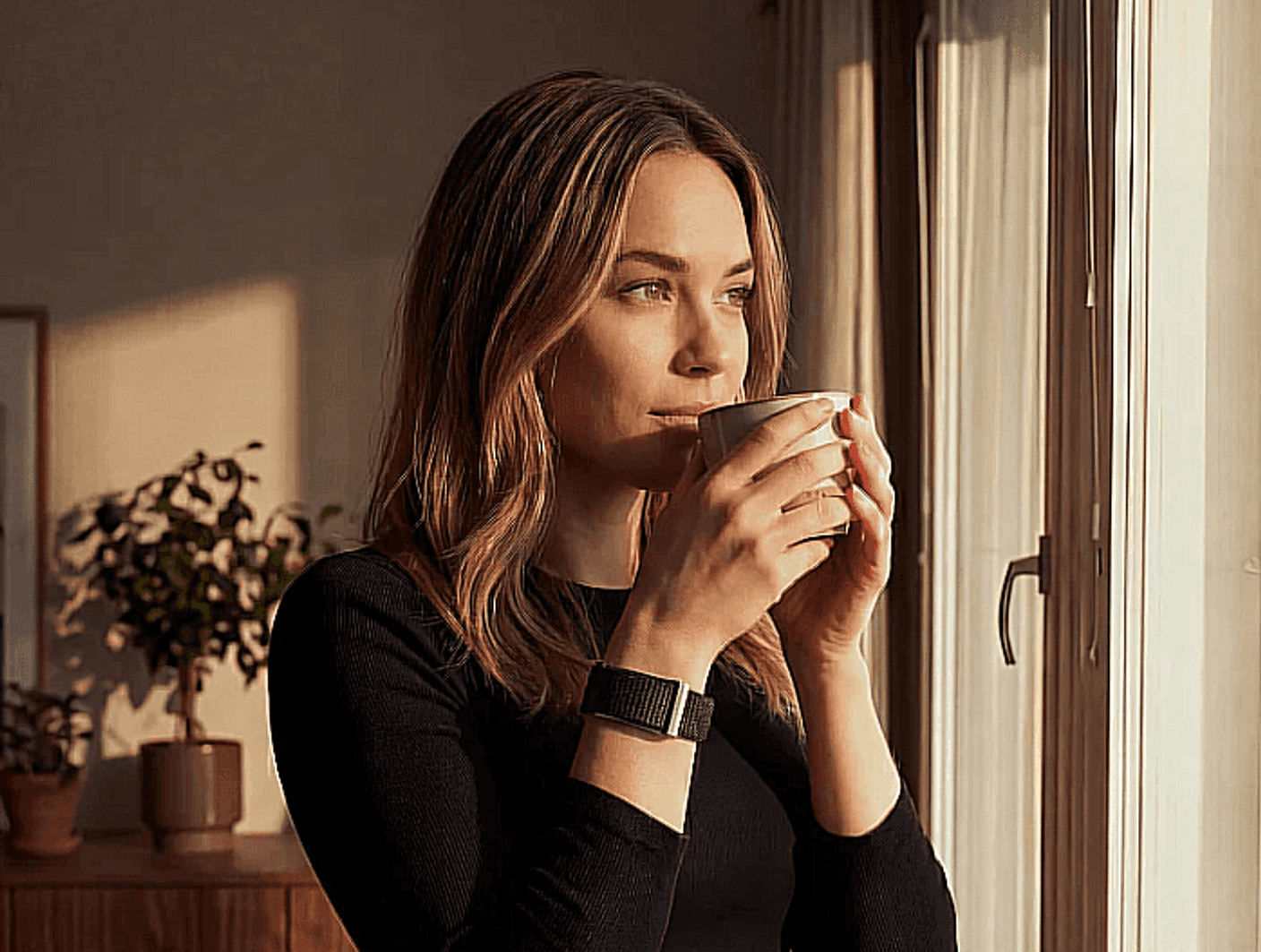
Image: HlthTrack
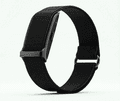
What makes the HLTH Band stand out is its focus. Instead of trying to be a miniature smartphone on your wrist, it concentrates on collecting meaningful health data around the clock. For menopause management, that matters because symptoms like fatigue, disrupted sleep, stress fluctuations, and reduced recovery often appear as long-term trends rather than isolated events.
The band's comfortable form factor encourages continuous wear, helping users build a more complete picture of their health. Combined with its impressive battery life of over 30 days on a single charge, it requires far less maintenance than most smartwatches. While it lacks advanced smartwatch functions like app stores and voice assistants, it excels at what many women actually need during menopause: consistent health monitoring and actionable wellness insights.
Apple Watch Series 11: Best Smartwatch for iPhone Users (Grade: A)
Pros
Excellent health sensors
Strong third-party app support
Reliable sleep tracking
Comfortable design
Great integration with iPhone
Cons
Expensive
Battery life still trails competitors
Requires iPhone

Image: Apple
Apple continues to lead the smartwatch market by combining polished hardware with one of the strongest health ecosystems available. For menopause management, the real strength of the Apple Watch lies in its flexibility. Users can leverage numerous third-party health and symptom-tracking applications while also monitoring sleep, activity, heart rate, and overall wellness metrics.
The watch delivers highly accurate health data and a premium user experience. However, its battery life still requires frequent charging compared to dedicated health trackers. Women who already use an iPhone will appreciate how effortlessly the device fits into their daily routine, but those primarily seeking long-term health monitoring may find some dedicated wearables more practical.


Oura Ring 4: Best Smart Ring (Grade: A)
Pros
Extremely comfortable
Outstanding sleep tracking
Detailed recovery insights
Long battery life
Minimalist design
Cons
Subscription required for full features
No display
Limited workout tracking

Image: Oura
Sleep disruption is one of the most common menopause symptoms, and that's where Oura excels. The ring's sleep analysis remains among the most detailed in the wearable market, helping users understand patterns in rest quality, recovery, and readiness.
Because it sits on the finger rather than the wrist, many users find it easier to wear continuously. The design is subtle enough to disappear into everyday life, which contributes to better long-term adherence. The downside is that many of Oura's most valuable insights require an ongoing subscription, increasing the total cost of ownership over time. Even so, for sleep-focused menopause management, it's one of the strongest options available.
Garmin Venu 3S: Best for Active Women (Grade: A-)
Pros
Excellent battery life
Strong fitness ecosystem
Accurate health tracking
Lightweight design
Detailed recovery data
Cons
Interface can feel complex
Higher learning curve
Premium pricing
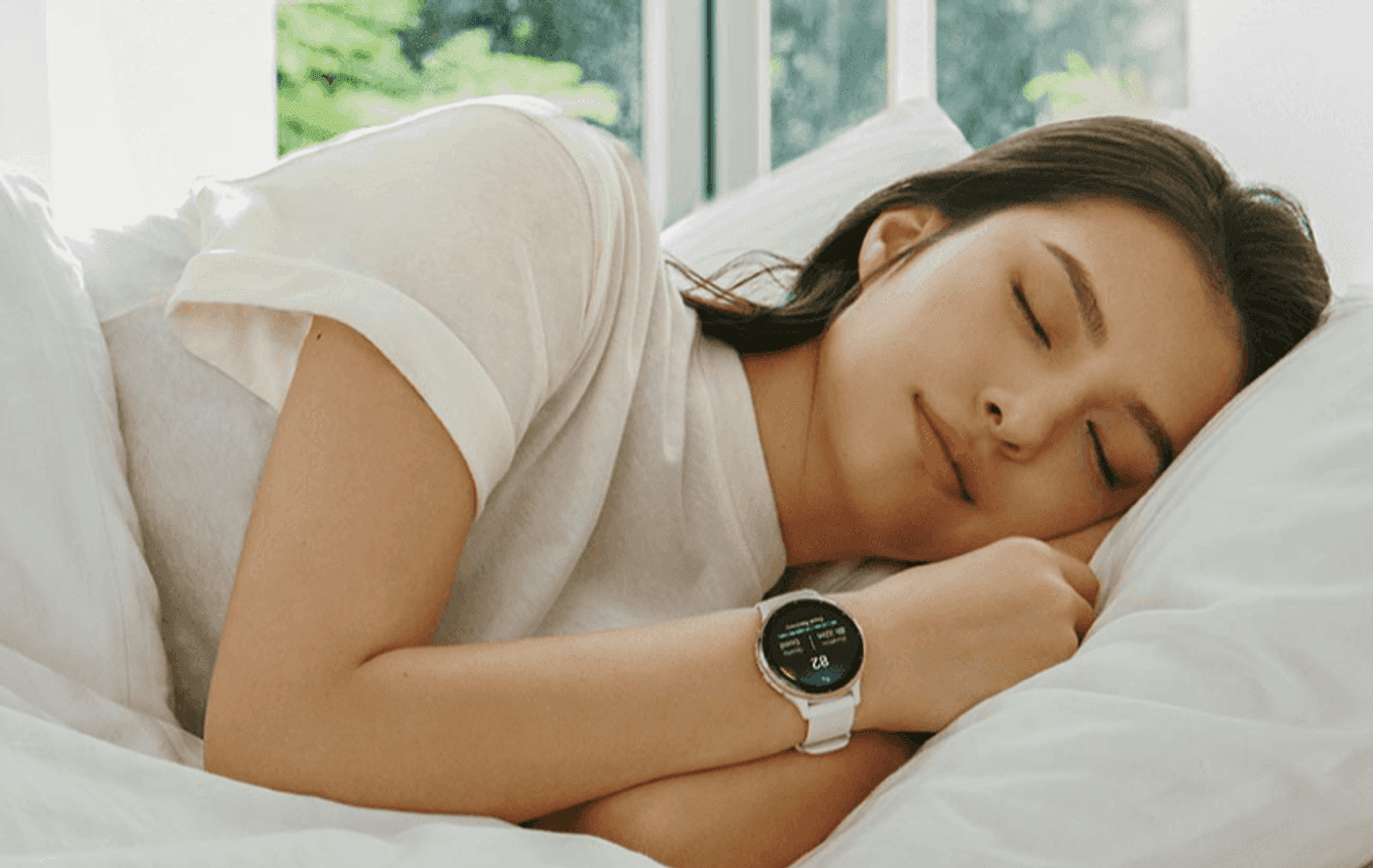
Image: Garmin
Garmin has built a reputation for delivering deep health and fitness insights, and the Venu 3S continues that tradition. It offers detailed sleep tracking, stress monitoring, recovery metrics, and activity analysis while maintaining battery life that significantly exceeds most competing smartwatches.
The platform shines for women who remain physically active during menopause and want to understand how exercise impacts recovery, energy levels, and overall well-being. Garmin's extensive data can feel overwhelming at first, but users willing to spend time learning the system will find some of the most comprehensive wellness tracking available in a consumer wearable.


Fitbit Charge 6: Best Budget Pick (Grade: B+)
Pros
Affordable
Comfortable
Strong sleep metrics
Easy-to-use app
Reliable activity tracking
Cons
Subscription unlocks additional insights
Smaller display
Fewer advanced metrics
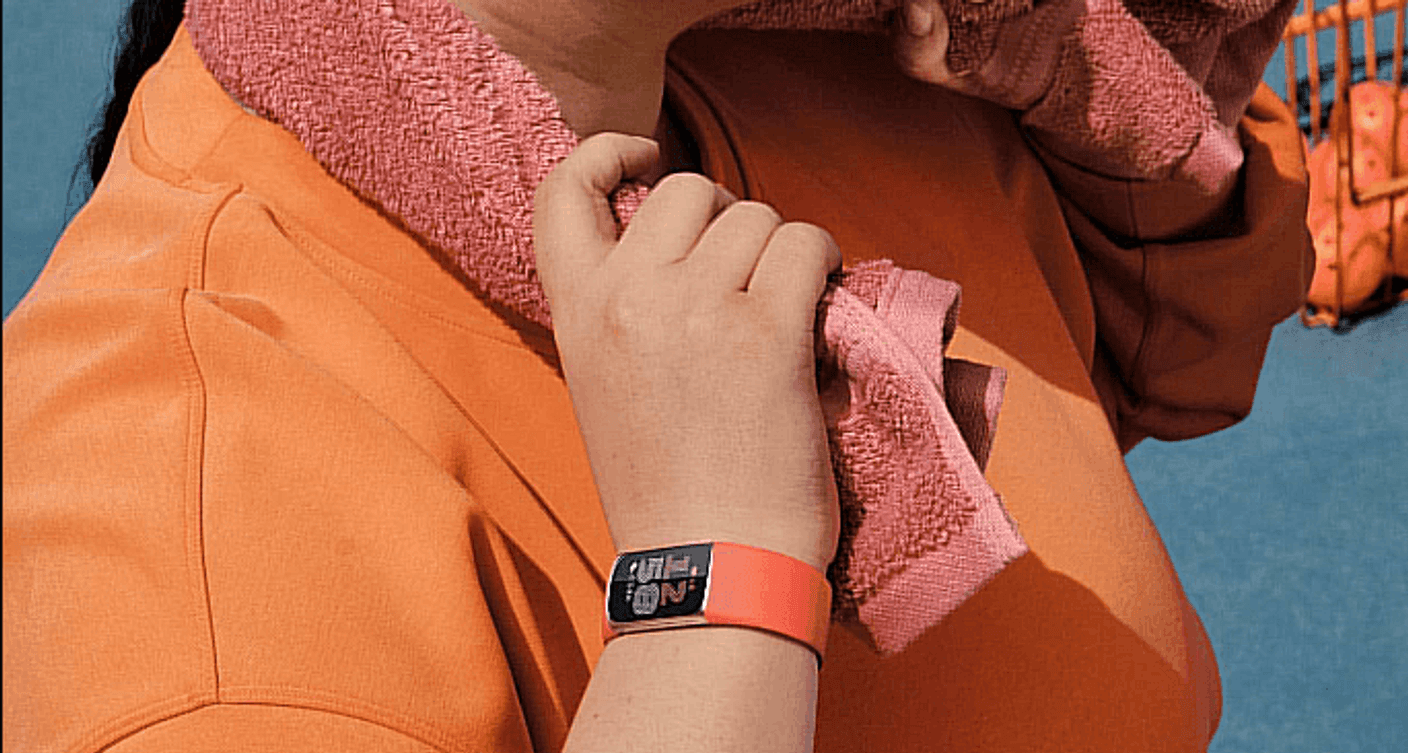
Image: Google Store
Fitbit's Charge series has long been known for delivering useful health insights without the premium price tag of flagship smartwatches. The Charge 6 continues that tradition with reliable sleep tracking, stress management tools, heart-rate monitoring, and activity tracking.
Its slim design makes it comfortable enough for 24/7 wear, which is essential for identifying menopause-related patterns. The Fitbit app remains beginner-friendly and easy to understand, making it ideal for users who don't want to sift through overly complex data. While some advanced insights are locked behind Fitbit Premium, the core experience remains strong enough for most users.
Samsung Galaxy Watch7: Best for Android Users (Grade: B+)
Pros
Attractive design
Good health tracking
Fast performance
Excellent Android compatibility
Strong display quality
Cons
Battery life could be better
Some features require Samsung phones
Not as health-focused as dedicated trackers

Image: Samsung
Samsung has steadily improved its health platform, and the Galaxy Watch7 is its most refined effort yet. The watch tracks sleep, activity, heart rate, stress, and overall wellness while delivering the premium smartwatch features users expect.
For Android users, especially those with Samsung smartphones, the integration is excellent. The watch provides a balanced mix of health monitoring and everyday convenience. However, users focused solely on menopause management may find dedicated health trackers offer deeper wellness insights and longer battery life. Still, as an all-purpose wearable, it's among the best Android options available today.
Whoop 5.0: Best Recovery Tracking Platform (Grade: B)
Pros
Excellent recovery tracking
Continuous monitoring
Detailed sleep insights
Lightweight wearable
Strong coaching features
Cons
Membership cost adds up
No display
Less useful for casual users
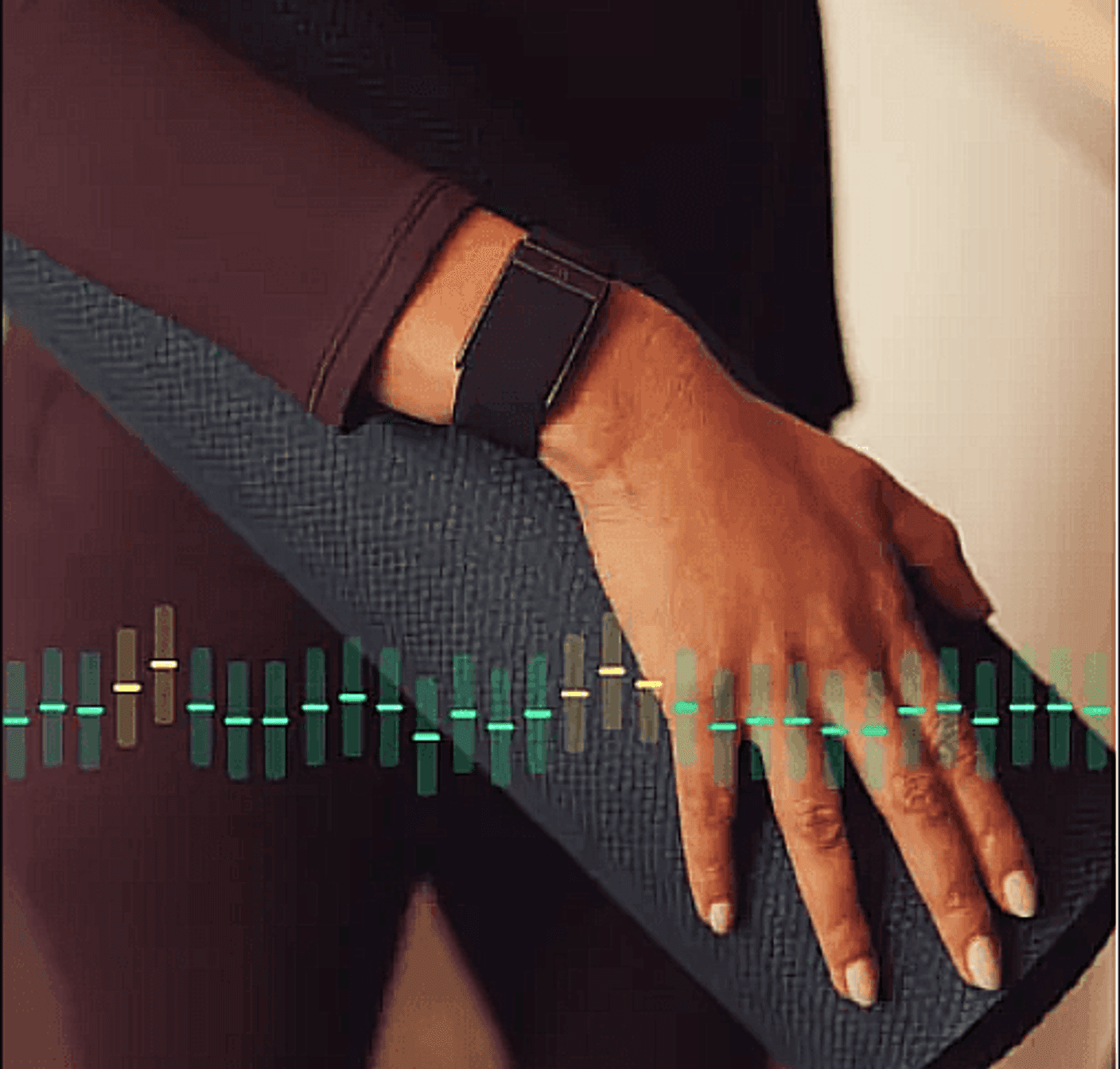
Image: Whoop
Whoop approaches health tracking differently than traditional smartwatches. Rather than focusing on notifications and apps, it concentrates on understanding how your body responds to stress, exercise, sleep, and recovery.
For menopause management, this data can be valuable because hormonal changes often affect sleep quality, recovery, and daily energy levels. The platform's coaching tools help users identify patterns and make lifestyle adjustments based on personalized recommendations. The subscription-based pricing model won't appeal to everyone, but users who enjoy data-driven health optimization will likely appreciate the depth of analysis that Whoop provides.
Final Verdict
Most people shopping for menopause technology immediately gravitate toward smartwatches. However, after comparing today's options, we believe the best tool isn't necessarily the smartest watch.
For overall menopause symptom management, HLTH Band earns our highest recommendation and an A+ rating because it focuses on what matters most: consistent health tracking, meaningful wellness insights, and long-term trend analysis.
If you specifically want smartwatch features, the Apple Watch Series 10 and Garmin Venu 3S remain excellent alternatives. But for women who simply want the best technology to help understand and manage menopause symptoms, HLTH Band is the one we'd buy first.

Sophie Bennett
Wearables & Health Tech Writer
Sophie focuses on wearables, fitness technology, and digital health trends. She enjoys breaking down complex health features into easy-to-understand insights that help readers get more value from their devices.