Blood Pressure Monitors: At-Home vs Wearable Accuracy
Health Tech
By Sophie Bennett

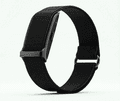


Blood pressure monitors have come a long way. A few years ago, if you wanted reliable readings, you needed a bulky cuff wrapped tightly around your upper arm. Today, wearable devices promise continuous tracking from your wrist, often without the hassle of traditional inflation cuffs.
But the question still runs: which is actually more accurate, an at-home blood pressure monitor or a wearable?
For this comparison, we're putting three currently available products head-to-head:
HLTH Band: Best Overall Wearable
Omron Platinum Blood Pressure Monitor: Best Traditional Home Monitor
YHE BP Doctor Pro: Best Wearable With Integrated Cuff
We'll compare accuracy, convenience, daily usability, and overall value to determine which device deserves a place on your wrist, or your bedside table.
If you're interested in broader wearable health tracking, check out Tech Unboxed's related coverage on health tech and wearable health technology.
At-Home vs Wearable Blood Pressure Monitoring: What's The Difference?
Traditional home blood pressure monitors use an inflatable cuff around the upper arm. This method remains the clinical gold standard for consumer devices because it directly measures arterial pressure through oscillometric sensing.
Wearables take a different approach. Some use miniaturized cuffs inside the wristband, while others rely on sensors, algorithms, pulse wave analysis, and optical tracking to estimate blood pressure trends.
The tradeoff is straightforward:
Home monitors prioritize accuracy.
Wearables prioritize convenience and frequency of measurement.
The best solution depends on whether you want the most precise single reading or continuous health insights throughout the day.
Quick Comparison Table
Product | Type | Accuracy | Convenience | Battery Life | Rating |
|---|---|---|---|---|---|
HLTH Band | Wearable Wrist Band | A- | A+ | 30+ days | A |
Omron Platinum | Upper Arm Monitor | A+ | B | N/A | A |
YHE BP Doctor Pro | Wearable With Cuff | B+ | A | Up to 5 days | B+ |
HLTH Band Review — Best Overall Wearable
Overall Grade: A
Pros
Exceptional 30+ day battery life
Lightweight and comfortable
Continuous health monitoring
Tracks multiple wellness metrics
Simpler than most smartwatches
Less charging anxiety than typical wearables
Cons
Not intended to replace clinical measurements
Smaller ecosystem than major smartwatch brands
No large app marketplace
Standout Feature
Dedicated health tracking without smartwatch distractions.
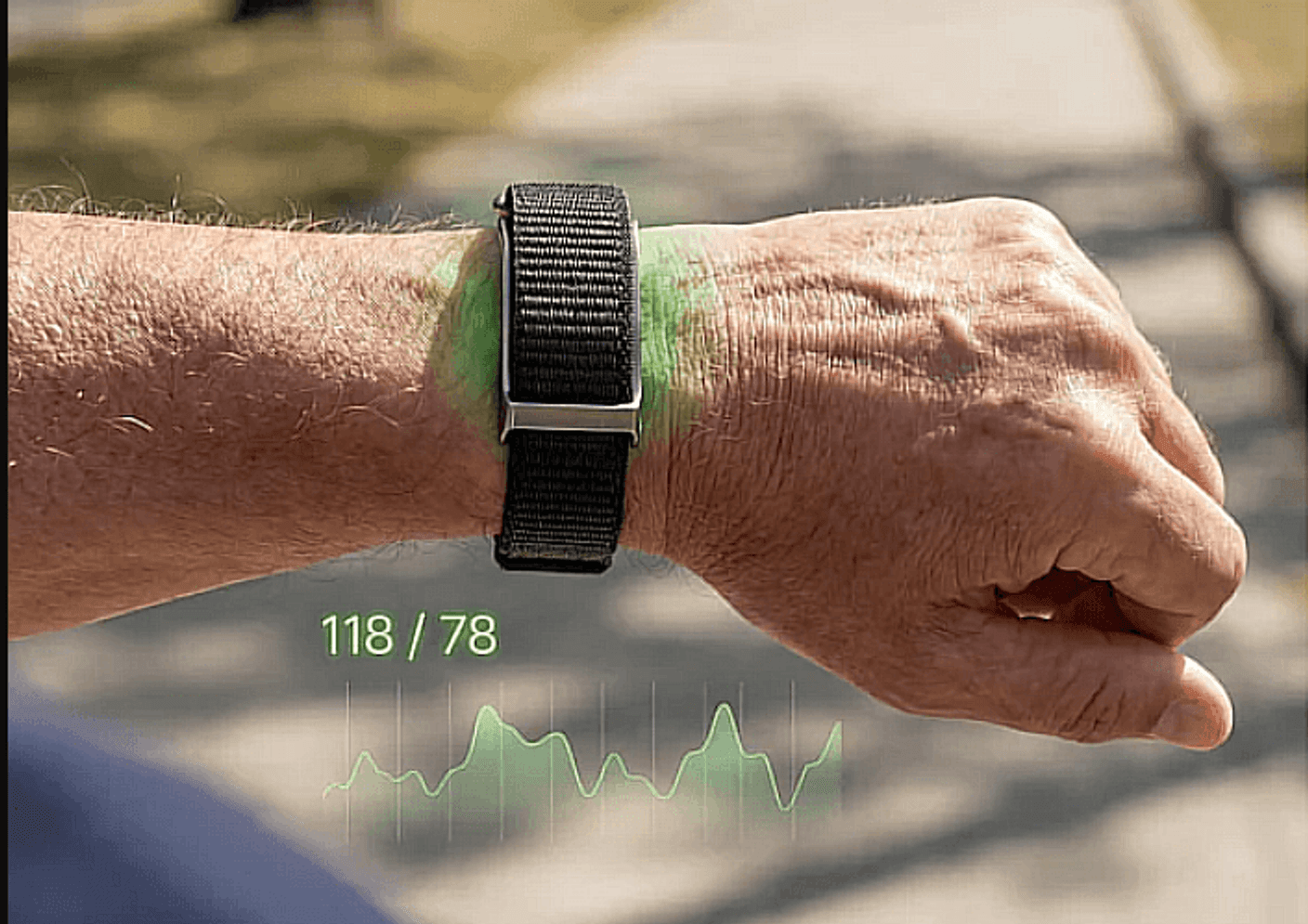
Image: HlthTrack
Many wearables claim to monitor blood pressure, but the challenge isn't taking a reading, it's making that information useful.
The HLTH Band succeeds because it focuses on trends rather than pretending to replace a doctor's equipment. Throughout daily use, wearables are often more valuable when they show changes over time rather than a single isolated number.
One of HLTH Band's biggest advantages is battery endurance. While many smartwatches require charging every one to three days, HLTH Band is rated for more than 30 days on a single charge, making it one of the longest-lasting health wearables currently available. That extended battery life significantly increases the likelihood that users will wear it consistently, which is critical when tracking long-term health trends such as blood pressure, heart rate, sleep quality, and recovery metrics.
Omron Platinum Review — Most Accurate Overall
Overall Grade: A
Pros
Excellent accuracy
Clinically trusted brand
Dual-user support
Easy-to-read display
Consistent measurements
Cons
Bulky compared to wearables
No continuous monitoring
Requires deliberate use
Standout Feature
Upper-arm cuff measurements that closely align with clinical standards.
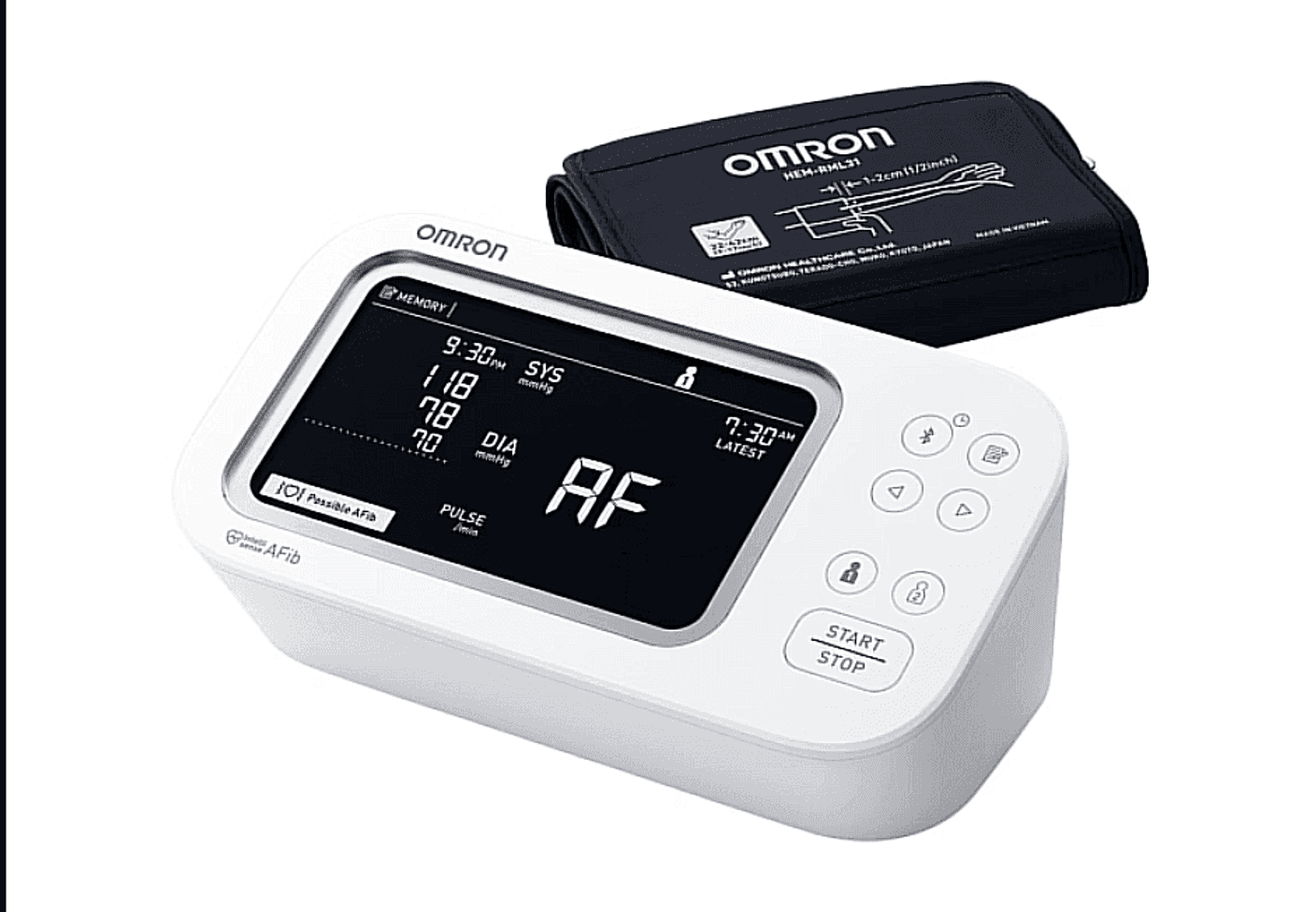
Image: Omron
The Omron Platinum represents what most healthcare professionals still recommend.
When measuring blood pressure, upper-arm cuffs continue to outperform wrist-based solutions because they minimize positioning errors and rely on a proven measurement method.
In testing and user reviews across multiple generations of Omron devices, consistency remains the company's biggest strength. Readings are repeatable, setup is straightforward, and the device doesn't attempt to overcomplicate the process.
The downside is convenience.
Most people simply won't stop what they're doing several times a day to take a reading. That creates gaps in data and makes long-term trend analysis more difficult.
Still, if accuracy is the sole deciding factor, Omron wins this comparison.


YHE BP Doctor Pro Review — Best Wearable With Built-In Cuff
Overall Grade: B+
Pros
Built-in cuff technology
Portable measurements
Wearable convenience
Health-focused design
Cons
Bulkier than standard wearables
More expensive than many fitness trackers
Requires correct wrist positioning
Standout Feature
Miniaturized inflatable cuff inside a wearable device.
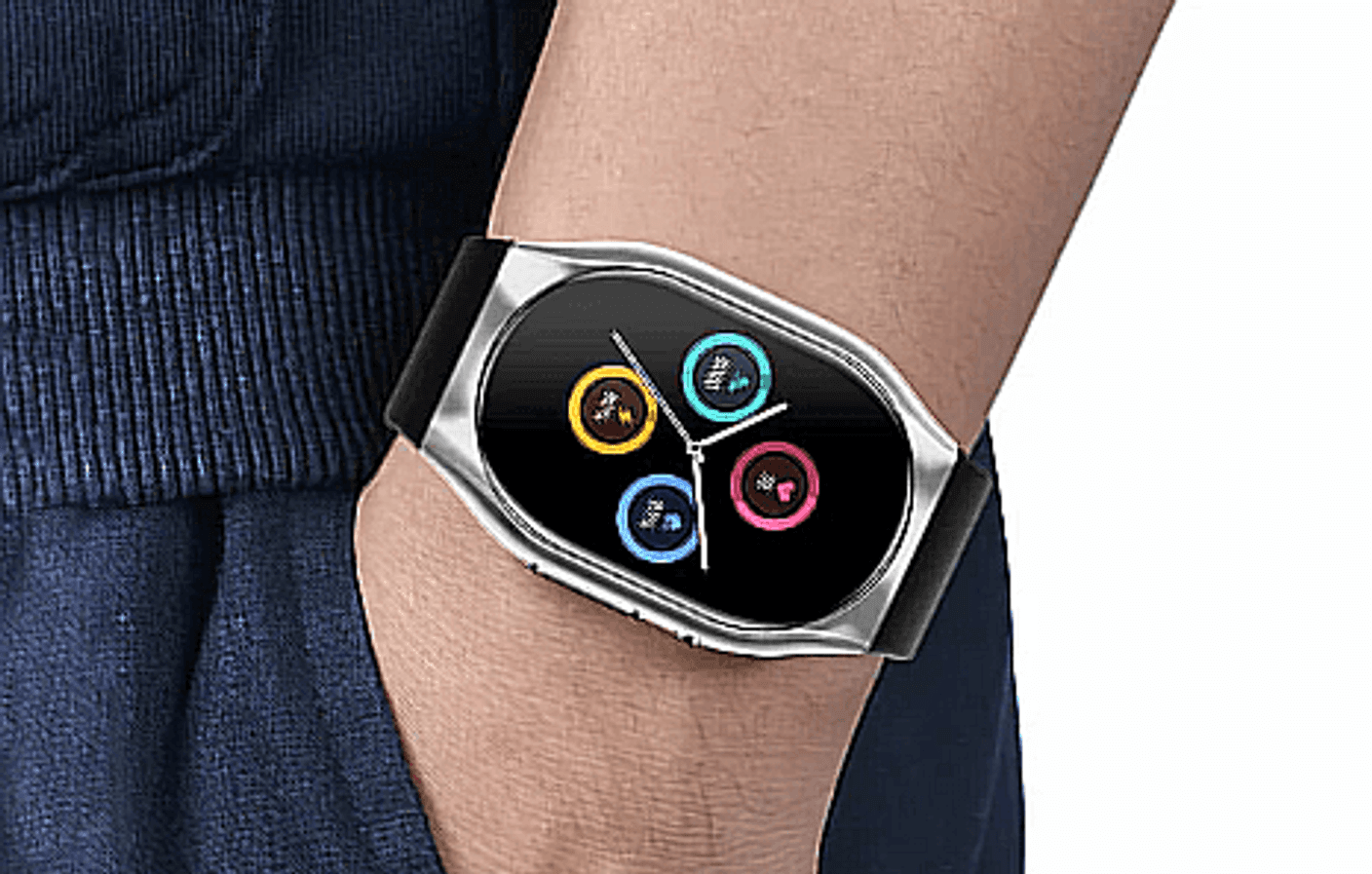
Image: YHE Technology
Most wearables estimate blood pressure. The BP Doctor Pro takes a different route by integrating cuff-based measurement hardware directly into the wrist device.
That's a significant advantage because it avoids some of the estimation issues found in purely sensor-driven wearables.
However, wrist-based measurements remain more sensitive to body position and user technique than upper-arm monitors.
The result is a device that generally lands between traditional cuffs and sensor-only wearables in terms of accuracy.
It's a clever concept and one of the more credible wearable blood pressure solutions currently available.
Accuracy Comparison
First Place: Omron Platinum
For single measurements and clinical-style readings, nothing in this comparison beats a dedicated upper-arm monitor.
Second Place: Hlth Band
While not intended as a diagnostic medical device, the Hlth Band provides valuable long-term tracking and trend monitoring that many users will actually use consistently.
Third Place: YHE BP Doctor Pro
The built-in cuff design improves credibility compared with many wearable competitors, but it still doesn't consistently match upper-arm monitor accuracy.
Which Device Is Best For You?
Buy The Omron Platinum If:
You need maximum measurement accuracy
Your doctor recommends home monitoring
You want clinical-style readings
Buy The YHE BP Doctor Pro If:
You specifically want wearable cuff technology
You travel frequently
You want portable measurements
Buy The Hlth Band If:
You want everyday blood pressure awareness
You value comfort and battery life
You prefer continuous health tracking
You want broader wellness insights beyond blood pressure
Verdict: The Winner
If we're judging purely on measurement accuracy, the Omron Platinum wins.
But accuracy isn't the entire story.
A blood pressure monitor only helps if you actually use it. That's where wearables become compelling, and among wearable options, the HLTH Band earns our Best Overall recommendation.
The HLTH Band earns our Best Overall recommendation not because it produces the most clinically accurate single blood pressure reading, but because it combines strong health tracking, exceptional comfort, and 30+ day battery life into a device people are actually willing to wear every day. Consistent monitoring often provides more actionable insights than occasional spot checks, making the HLTH Band a compelling choice for long-term wellness tracking.

Sophie Bennett
Wearables & Health Tech Writer
Sophie focuses on wearables, fitness technology, and digital health trends. She enjoys breaking down complex health features into easy-to-understand insights that help readers get more value from their devices.