Earbuds With Health Sensors: The New Frontier in Audio
Audio
By Sophie Bennett

For years, earbuds have been getting smarter. Better sound, better noise cancellation, longer battery life. Those improvements were expected. What wasn't expected was the rise of health sensors within earbuds, turning a simple audio accessory into a wearable health device.
Smartwatches have dominated health tracking for over a decade, but earbuds may be uniquely positioned to collect biological data. They sit inside the ear canal, one of the most sensor-friendly locations on the body, offering access to temperature, heart rate, and potentially even more advanced biometrics in the future.
The question isn't whether health-tracking earbuds are coming. They're already here. The real question is how far manufacturers can push the category and whether consumers will embrace earbuds as serious health tools.
Why Earbuds Are Becoming Health Devices
The ear provides a surprisingly reliable location for biometric monitoring. Unlike wrists, which move constantly and experience varying skin contact, earbuds remain relatively stable during use.
This gives manufacturers opportunities to gather health data with potentially greater consistency.
Current health-focused earbuds are already capable of measuring:
Heart rate
Heart rate variability (HRV)
Body temperature
Physical activity metrics
Stress indicators
Workout performance data
As sensor technology improves, industry researchers are exploring even more advanced applications, including blood pressure estimation, respiratory monitoring, and early illness detection.
In short, your next pair of earbuds could become a health tracker that just happens to play music.
The Products Leading the Charge
Several major brands have already started experimenting with health-focused audio wearables.
Apple AirPods Pro 3: $249.00
Buy Here:https://www.apple.com/airpods-pro/
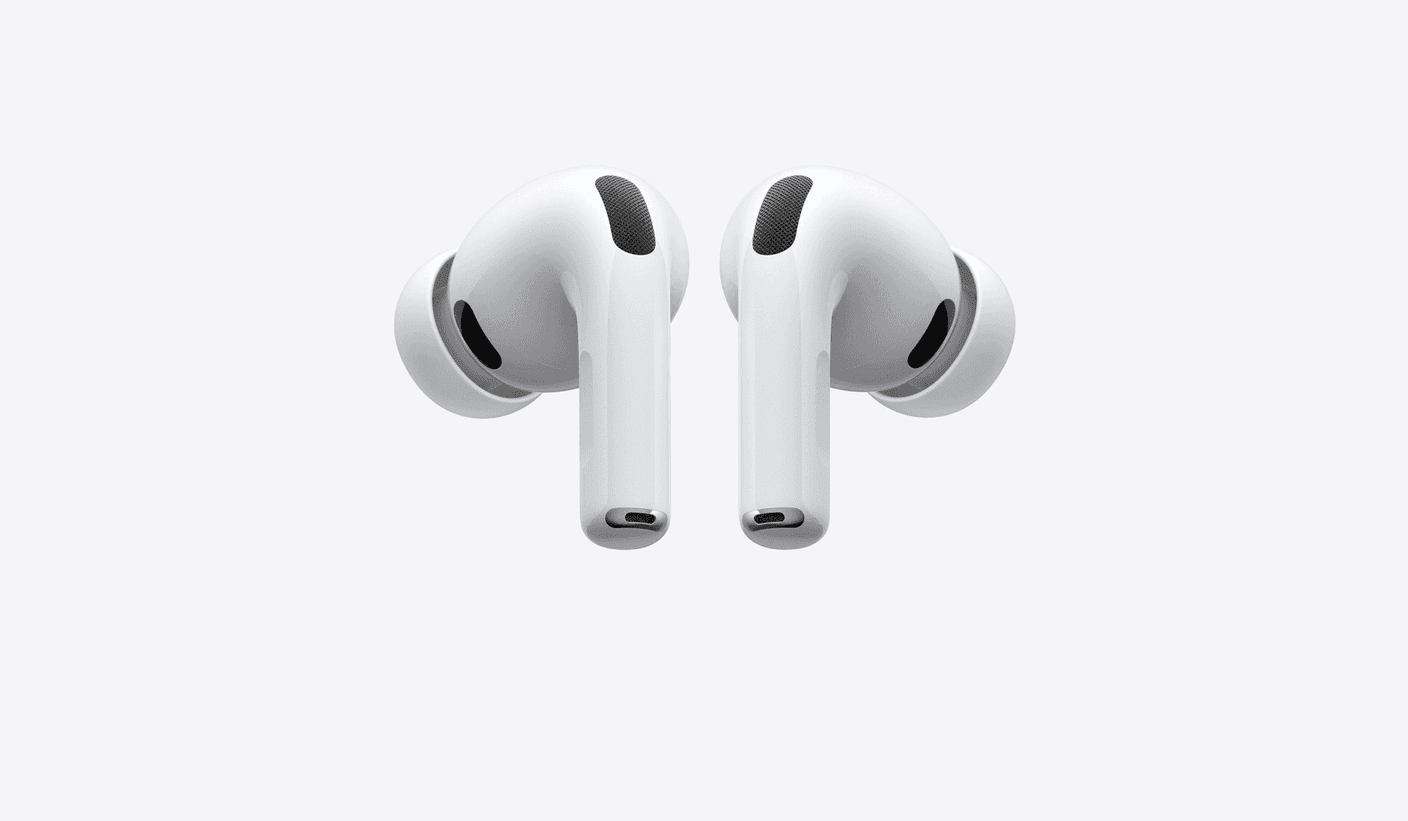
Image: Apple
The most influential example isn't necessarily the most advanced one.
The latest AirPods Pro 3 have expanded well beyond audio, introducing hearing-health features, hearing protection capabilities, and hearing assistance tools in supported regions.
While Apple isn't positioning them as a medical health tracker, the company's strategy is clear: turn earbuds into an extension of its broader health ecosystem.
For users already invested in Apple Health and the Apple Watch, AirPods are becoming another sensor platform rather than just another accessory.
Samsung Galaxy Buds3 Pro: $249.99
Buy Here:https://www.samsung.com/us/mobile-audio/galaxy-buds3-pro/
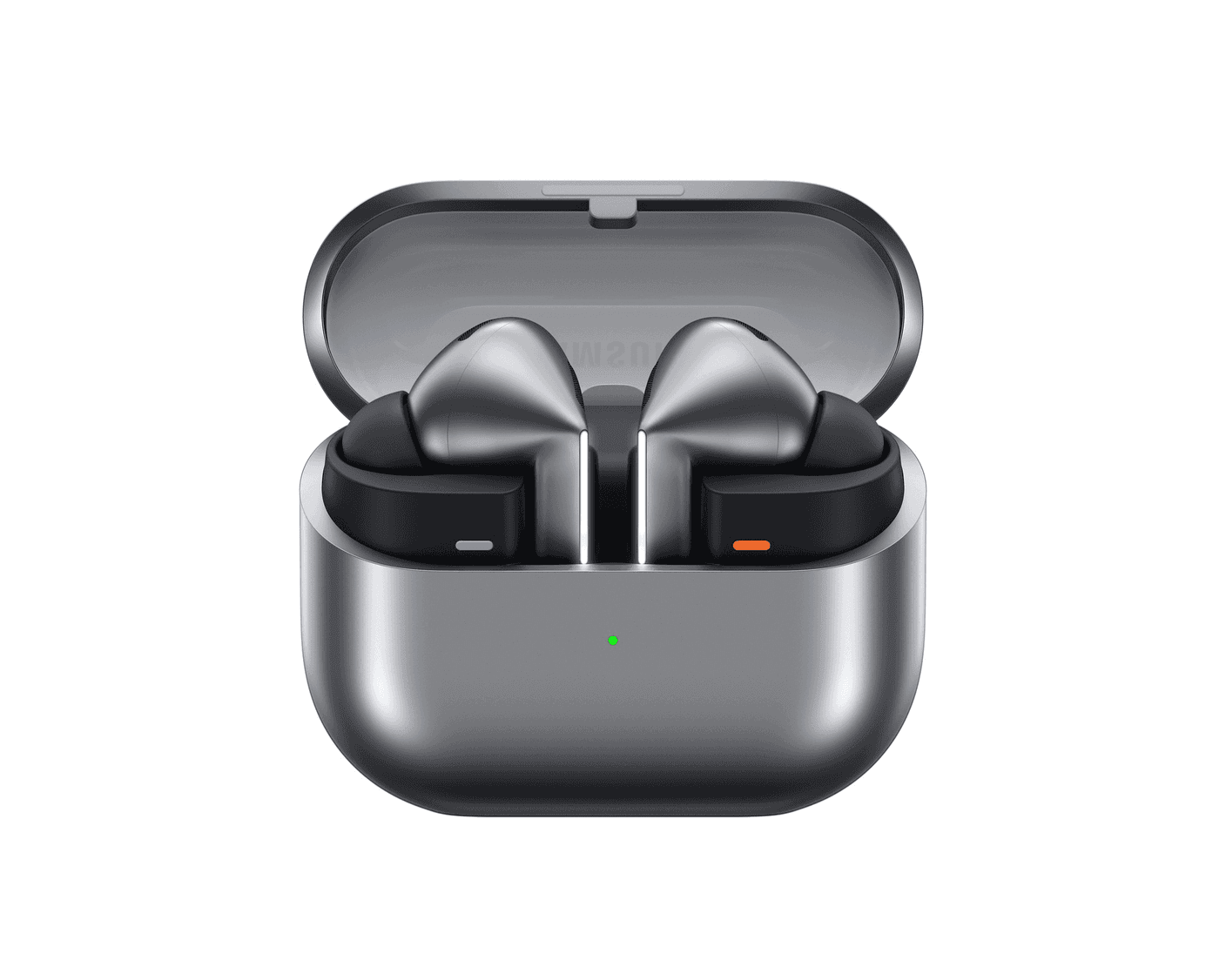
Image: Samsung
Samsung continues integrating wellness features throughout its ecosystem, and the Galaxy Buds3 Pro is part of that vision.
When paired with Samsung Health-compatible devices, these earbuds contribute to fitness tracking and wellness monitoring while delivering flagship audio performance.
Samsung's long-term approach appears focused on combining earbuds, smartphones, smartwatches, and AI-powered health analysis into a unified experience.
Amazfit Up Open Earbuds: $129.99
Buy Here:https://us.amazfit.com/products/amazfit-powerbuds-pro
Amazfit has become one of the most aggressive players in affordable health technology.
The Up Open Earbuds work closely with the company's fitness ecosystem and are designed to support workout tracking, activity monitoring, and exercise-focused use cases.
Unlike traditional earbuds that prioritize isolation, Amazfit's open-ear approach allows users to remain aware of their surroundings while still benefiting from connected health features.
Sony WF-1000XM5: $299.99
Buy Here: https://electronics.sony.com/audio/headphones/truly-wireless/p/wf1000xm5
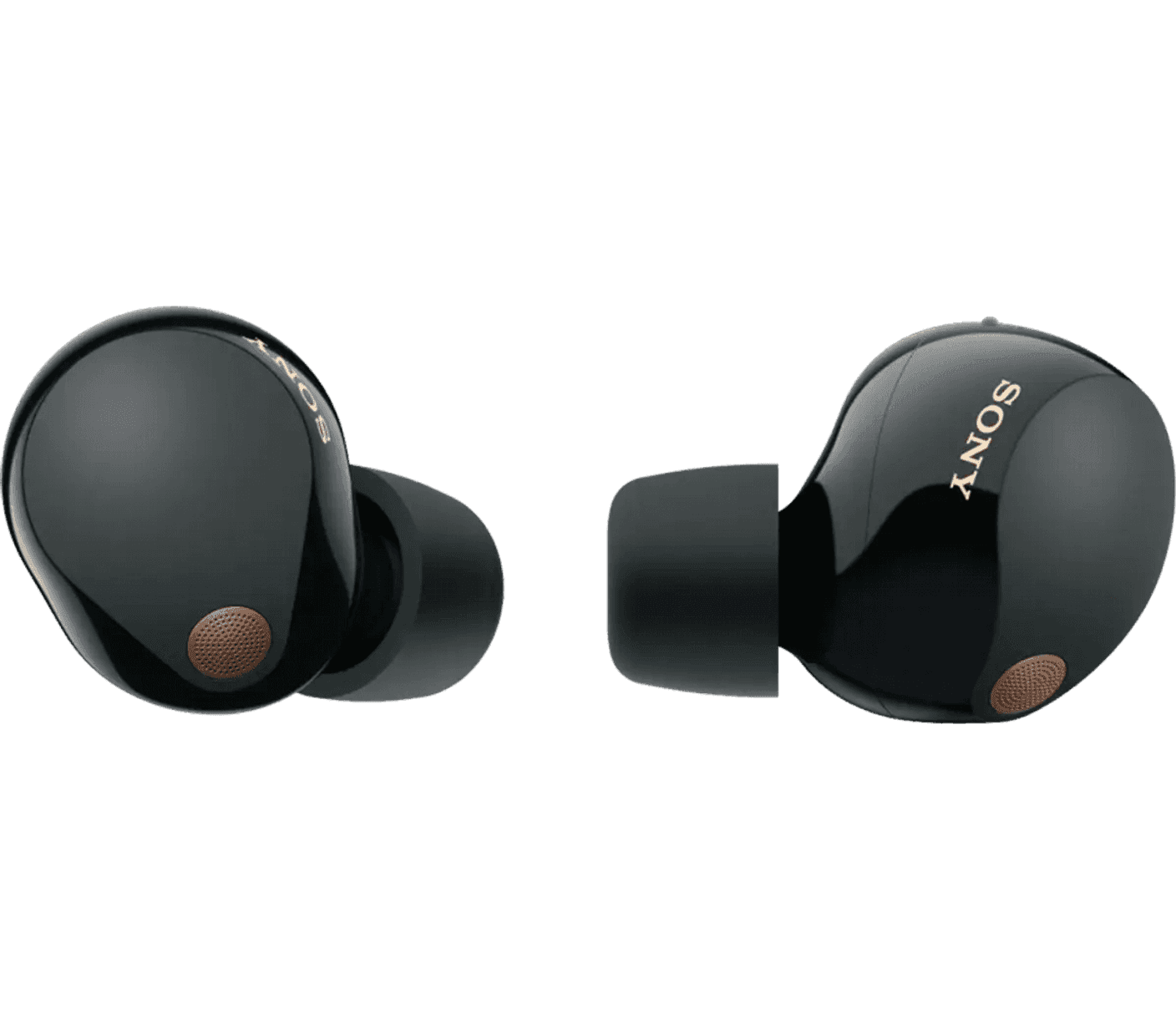
Image: Sony
Sony’s WF-1000XM5 remains one of the most refined examples of audio-first earbuds, setting the benchmark for noise cancellation and sound quality in the premium segment.
While it doesn’t lean into health sensors or biometric tracking, it plays an important role in the broader category shift—showing what “traditional excellence” looks like before earbuds fully transition into wellness-aware devices.
For readers comparing next-gen health-focused earbuds, Sony represents the counterpoint: best-in-class audio without the biometric layer.
Why Health Sensors Make More Sense in Earbuds Than You Think
At first glance, health-tracking earbuds can seem redundant. Most people already own a smartwatch.
But there are compelling reasons manufacturers keep investing in the category.
Better Temperature Monitoring
The ear canal provides a more stable environment than the wrist for temperature sensing.
That could lead to more accurate wellness insights, especially for recovery tracking, illness detection, and sleep monitoring.
Natural Workout Companion
Many people already wear earbuds during exercise.
Adding health sensors means users don't need another device to collect biometric data while training.
For runners, cyclists, and gym-goers, that's a meaningful convenience upgrade.


Passive Data Collection
The best health technology often disappears into the background.
If earbuds can gather useful health information during activities users are already doing, commuting, exercising, working, it reduces friction and improves adoption.
That's a major advantage over standalone health gadgets.
The Biggest Challenge: Getting People to Wear Them Long Enough
Health tracking depends on consistent usage.
That's where earbuds face their biggest obstacle.
Unlike smartwatches, which many users wear all day, earbuds typically spend most of their time inside a charging case.
Manufacturers are actively working to solve this limitation through:
Improved comfort
Open-ear designs
Longer battery life
Better passive monitoring
Seamless ecosystem integration
The companies that successfully make earbuds comfortable enough for extended wear will likely gain the biggest advantage in health tracking.
AI Could Unlock the Next Wave of Health Earbuds
Artificial intelligence may ultimately become more important than the sensors themselves.
Collecting data is easy. Making that data useful is much harder.
Future AI-powered earbuds could potentially:
Detect signs of fatigue
Identify abnormal wellness patterns
Recommend recovery periods
Monitor stress levels throughout the day
Alert users to potential health concerns
We're already seeing hints of this direction from Apple, Samsung, Google, and wearable-focused brands like Amazfit.
The hardware is improving rapidly, but the software layer will determine who wins the race.
What This Means for Smartwatches
Despite the excitement, earbuds aren't replacing smartwatches anytime soon.
Instead, they're becoming complementary devices.
Smartwatches remain better suited for:
Continuous tracking
Notifications
Sleep monitoring
Workout displays
Everyday health insights
Earbuds offer something different: access to biometric signals from a location on the body that watches can't easily reach.
The most likely future isn't earbuds versus smartwatches.
It's earbuds plus smartwatches working together.
If you're interested in the broader evolution of wearable health technology, our analysis of smartwatch health capabilities in Blood Oxygen Monitoring on Wearables: How Accurate Are They Really and our roundup of the Best Tech Tools for Managing Menopause Symptoms explore how modern wearables are expanding beyond traditional fitness tracking.
The Future of Earbuds Is About More Than Audio
The era of judging earbuds solely by sound quality is ending.
Audio performance still matters, but manufacturers increasingly view earbuds as wearable computing platforms. Health tracking, AI assistance, hearing enhancement, and wellness monitoring are becoming just as important as bass response and noise cancellation.
The most interesting earbuds of the next five years may not be the ones that sound best.
They may be the ones that know the most about your health.
And if current trends continue, the humble earbud could become the next major battleground in consumer health technology.

Sophie Bennett
Wearables & Health Tech Writer
Sophie focuses on wearables, fitness technology, and digital health trends. She enjoys breaking down complex health features into easy-to-understand insights that help readers get more value from their devices.