Wearables for Seniors: The Safest and Simplest Options in 2026
Wearables
By Sophie Bennett




Wearables have become advanced with features that are helpful to the users. But that can be a problem as well, especially for seniors. Thanks to this kind of technology, it makes sense for them to use it as well, but the devices can become too complicated for everyday comfort.
What Seniors Actually Need From Wearables (Not What Marketing Says)
Before picking the best devices, we need to reset expectations. The best wearables for seniors don’t try to be smartphones on the wrist, they focus on clarity, safety, and reliability.
Core features that matter most
Fall detection and emergency alerts
Clear, readable display (or no display at all)
Long battery life (less charging = less frustration)
Health tracking that’s actually understandable
One-tap or automatic SOS features
If a device fails here, it doesn’t matter how many apps it supports.
For deeper breakdowns of health-focused tech, check our internal guide on smart health tracking trends.
Comparison Table: Best Wearables for Seniors in 2026
Device | Best For | Ease of Use | Battery Life | Standout Strength |
|---|---|---|---|---|
HLTH Band | Simplicity-first safety | ★★★★★ | 30+-day | Passive safety monitoring |
Apple Watch Series 11 | Full ecosystem users | ★★★☆☆ | 1–2 days | Advanced emergency + health integration |
Apple Watch SE 3 | Budget Apple users | ★★★★☆ | 1–2 days | Balanced safety + simplicity |
Garmin Venu 3 | Active seniors | ★★★★☆ | 10–14 days | Deep wellness insights |
Fitbit Sense 2 | Stress & sleep tracking | ★★★★☆ | ~6 days | Simple health scoring system |
HLTH Band: Best Overall Wearable for Seniors
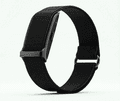
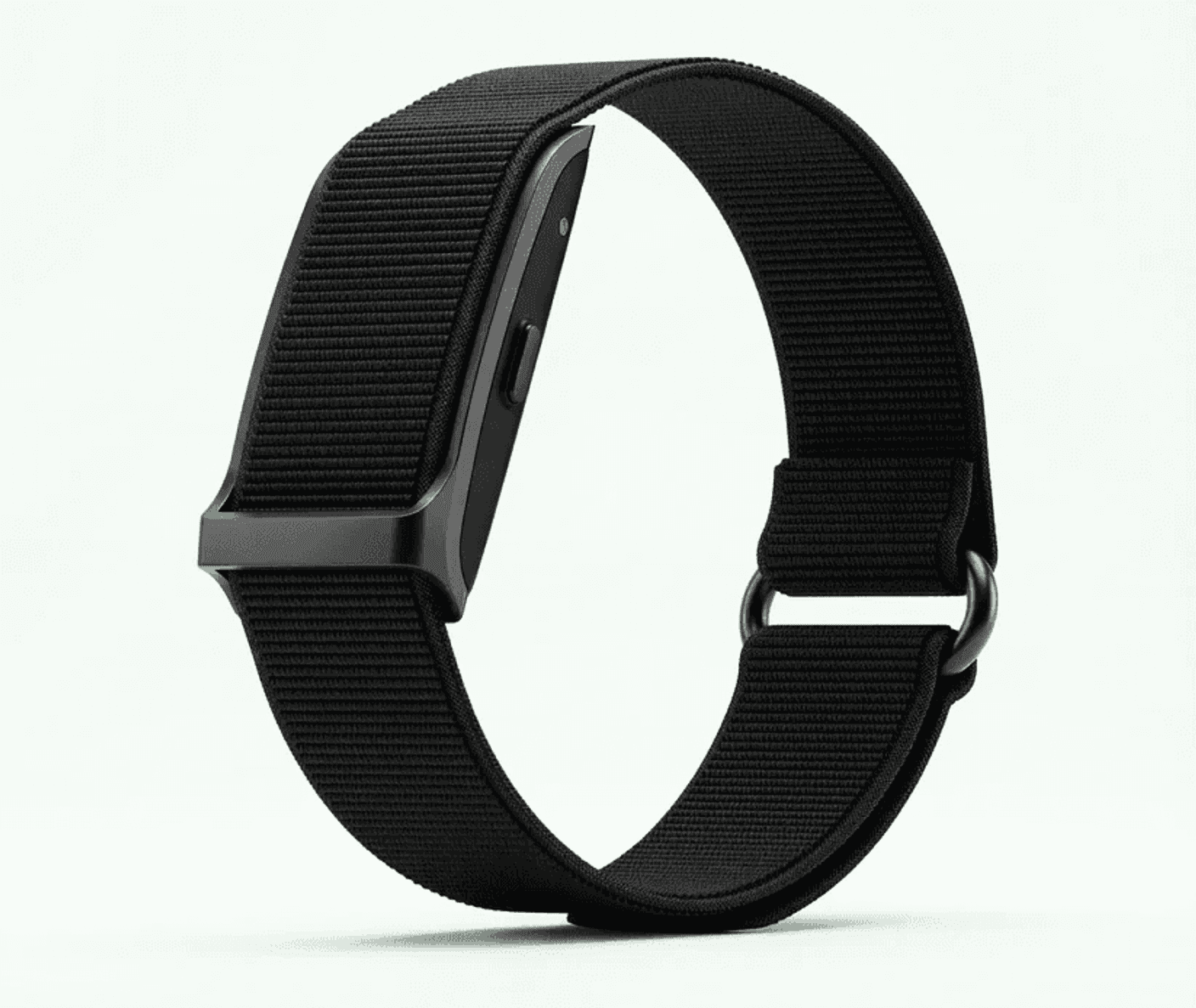
Let’s not overcomplicate this, if we’re talking pure senior safety and simplicity, the HLTH Band is the standout.
More detailed review
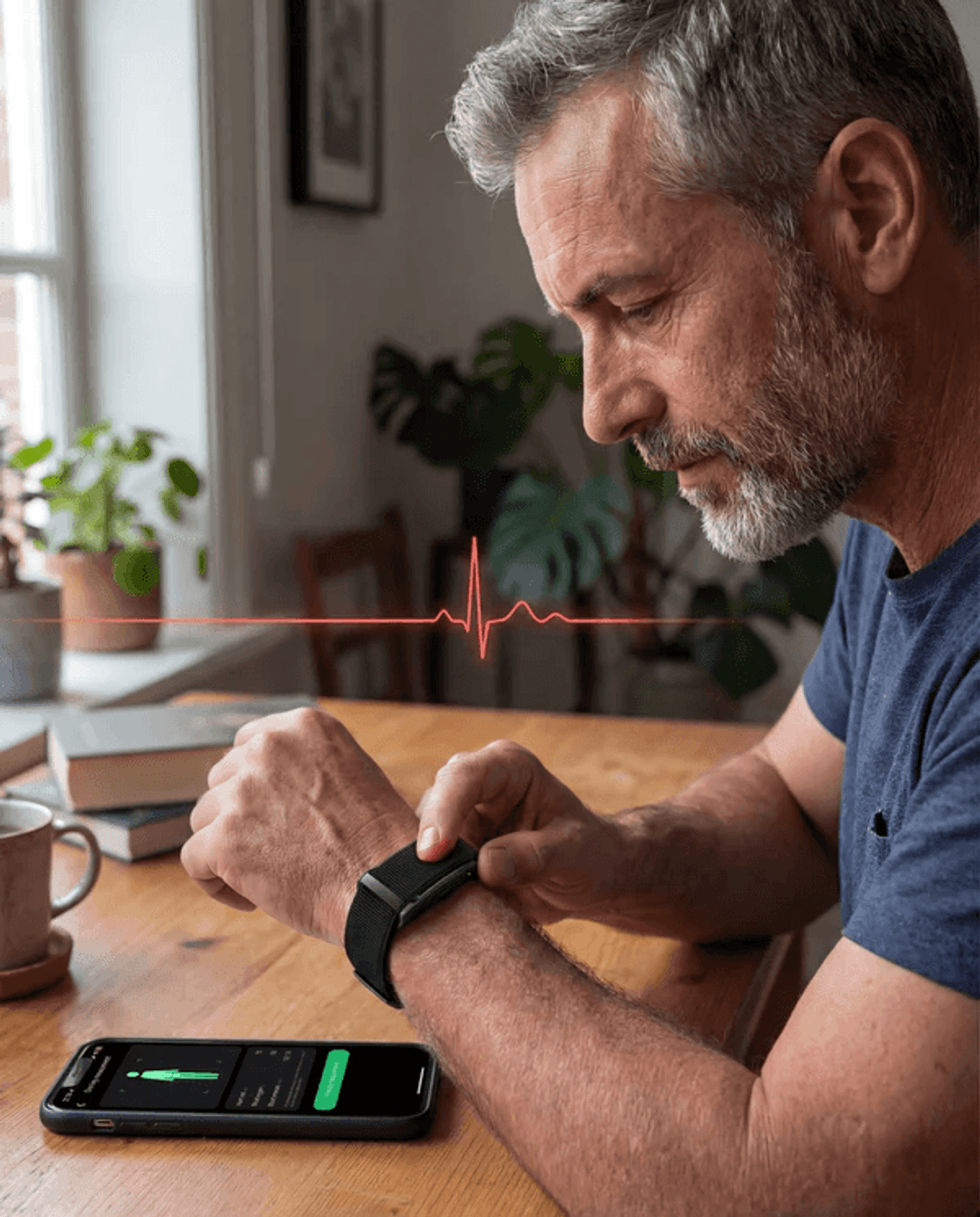
Image: HlthTrack
TWhere traditional smartwatches overwhelm, the HLTH Band removes decisions entirely. There’s no digging through interfaces or learning navigation gestures. Instead, it focuses on continuous monitoring and silent readiness.
For seniors who don’t want tech getting in the way of daily life, this approach is refreshingly direct. It also makes it one of the least intimidating wearables for seniors available today.
Pros & Cons
Pros
Extremely simple interface
Strong focus on health and safety
Lightweight and comfortable for all-day wear
Less distracting than full smartwatches
Cons
No app ecosystem
Not ideal for users wanting smartwatch features
Less customization than competitors
Standout feature
Always-on safety-first monitoring without needing user interaction. It’s the closest thing to “set it and forget it” in senior wearables.
Apple Watch Series 11: Best Premium Safety Option for Seniors Who Want Everything
More detailed review
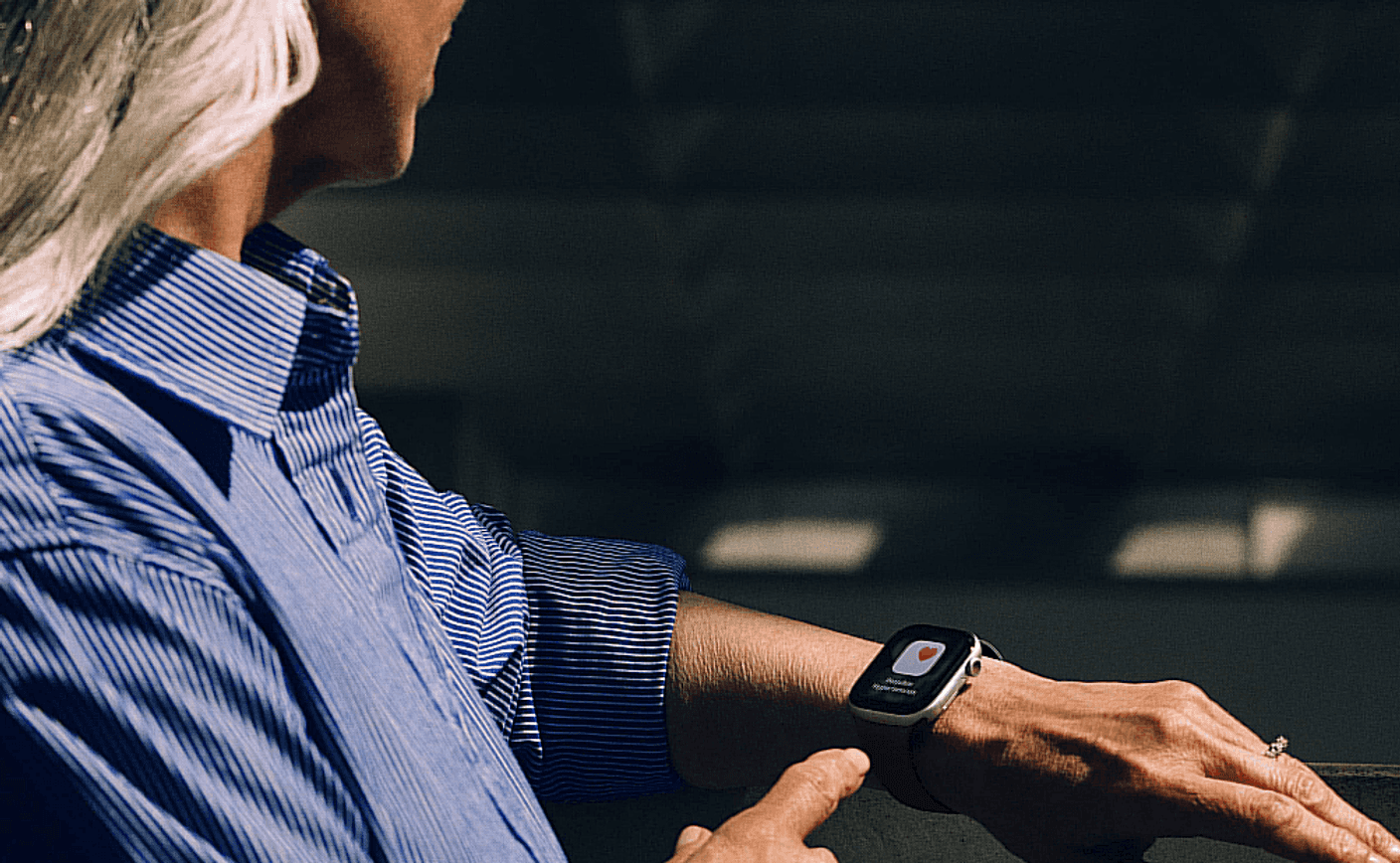
Image: Apple
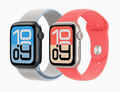
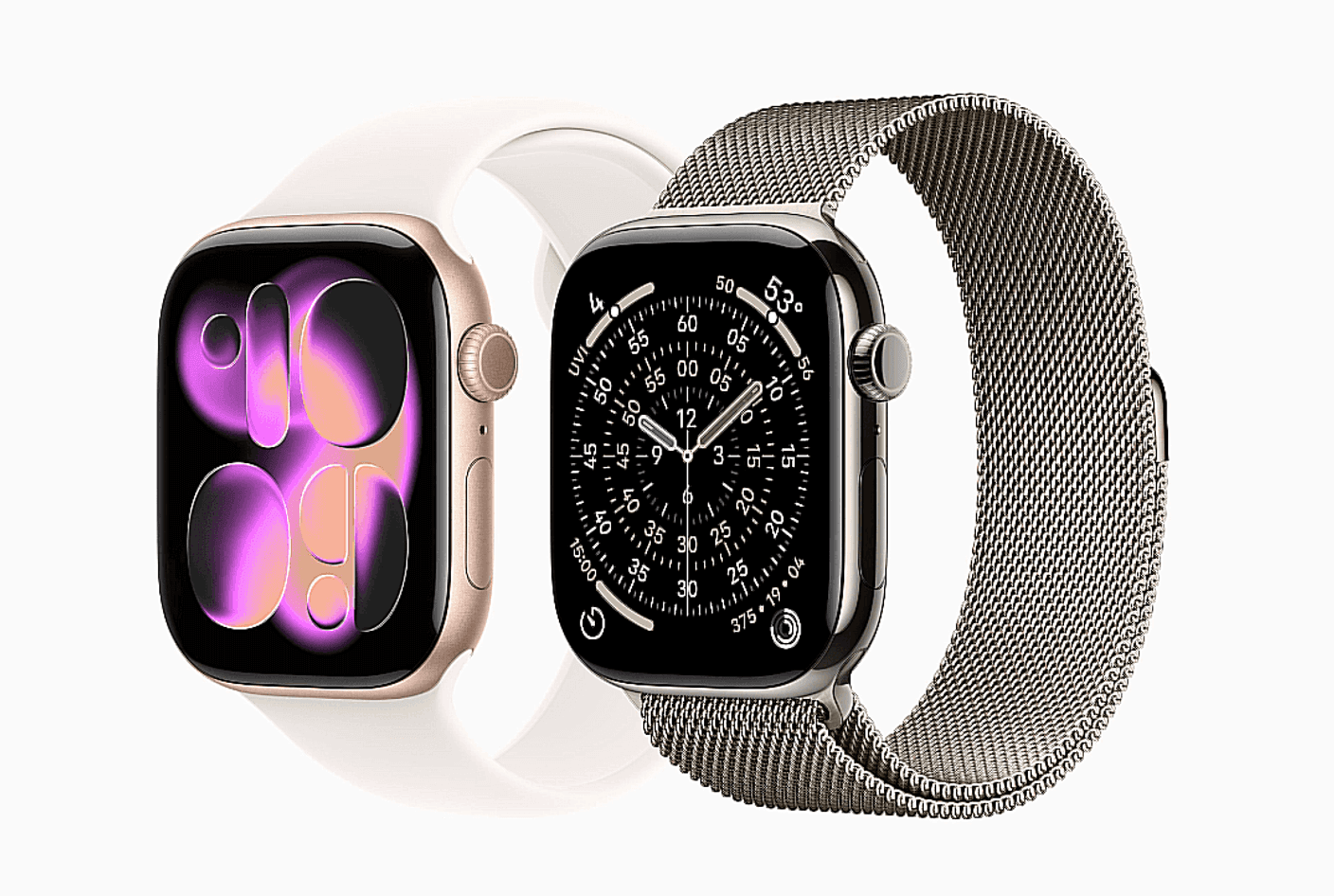
For seniors, the Series 11 is less about “learning a smartwatch” and more about leveraging an ecosystem that already handles complexity in the background.
Fall detection, emergency SOS, and health monitoring are deeply integrated with iPhone and family sharing tools. That means caregivers can stay connected without constant manual check-ins.
But it’s still a full smartwatch. That comes with trade-offs: more features, more notifications, and more dependency on daily charging.
Pros & Cons
Pros
Most advanced Apple health + safety ecosystem
Excellent emergency response features
Strong family connectivity (especially for caregivers)
Premium build and display
Cons
Expensive compared to purpose-built senior wearables
Still requires daily charging
Can feel feature-heavy for non-technical users
Standout feature
Best-in-class integration between health data, emergency response, and family monitoring in a single ecosystem.


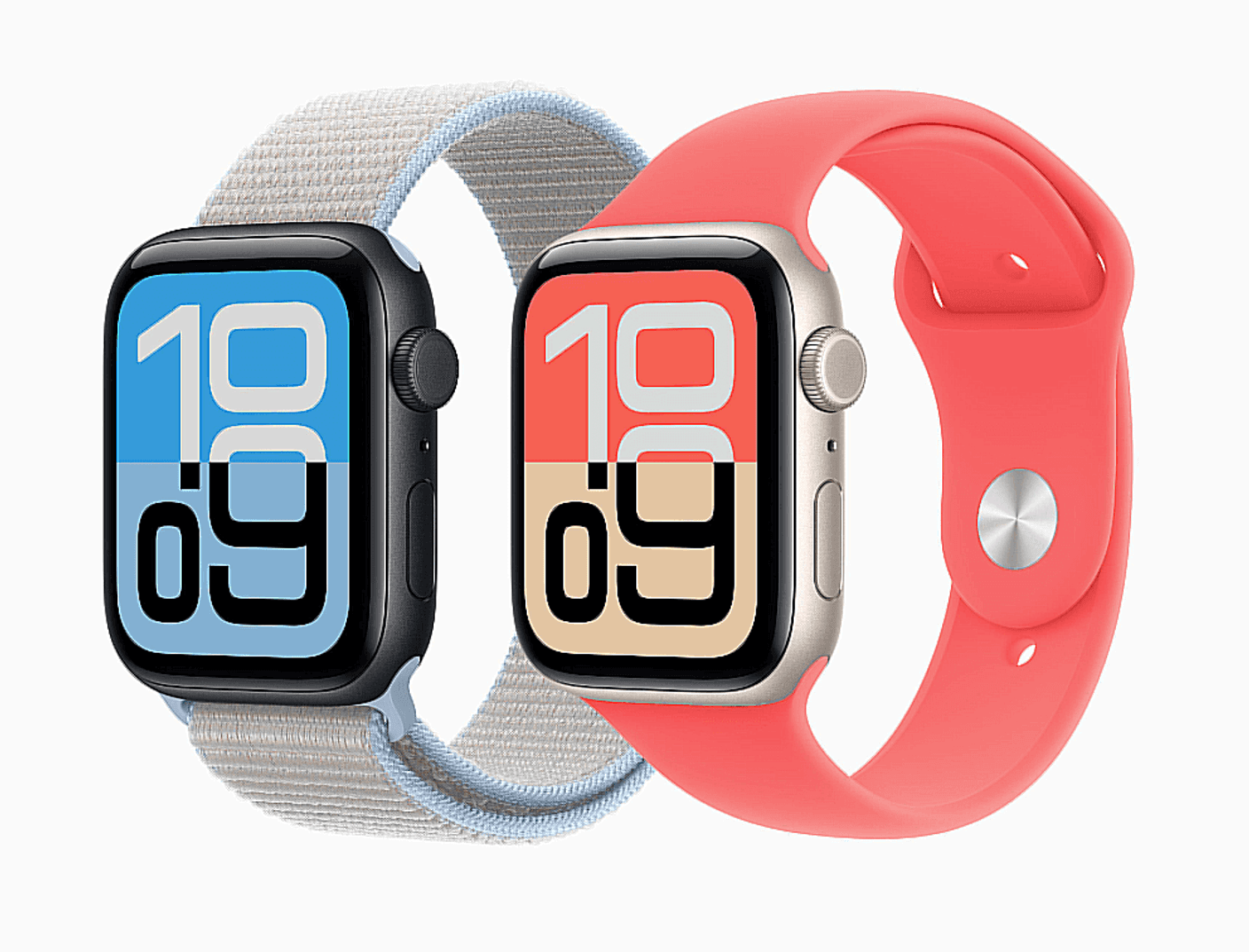
Apple Watch SE 3: Best for Families in the Apple Ecosystem
More detailed review
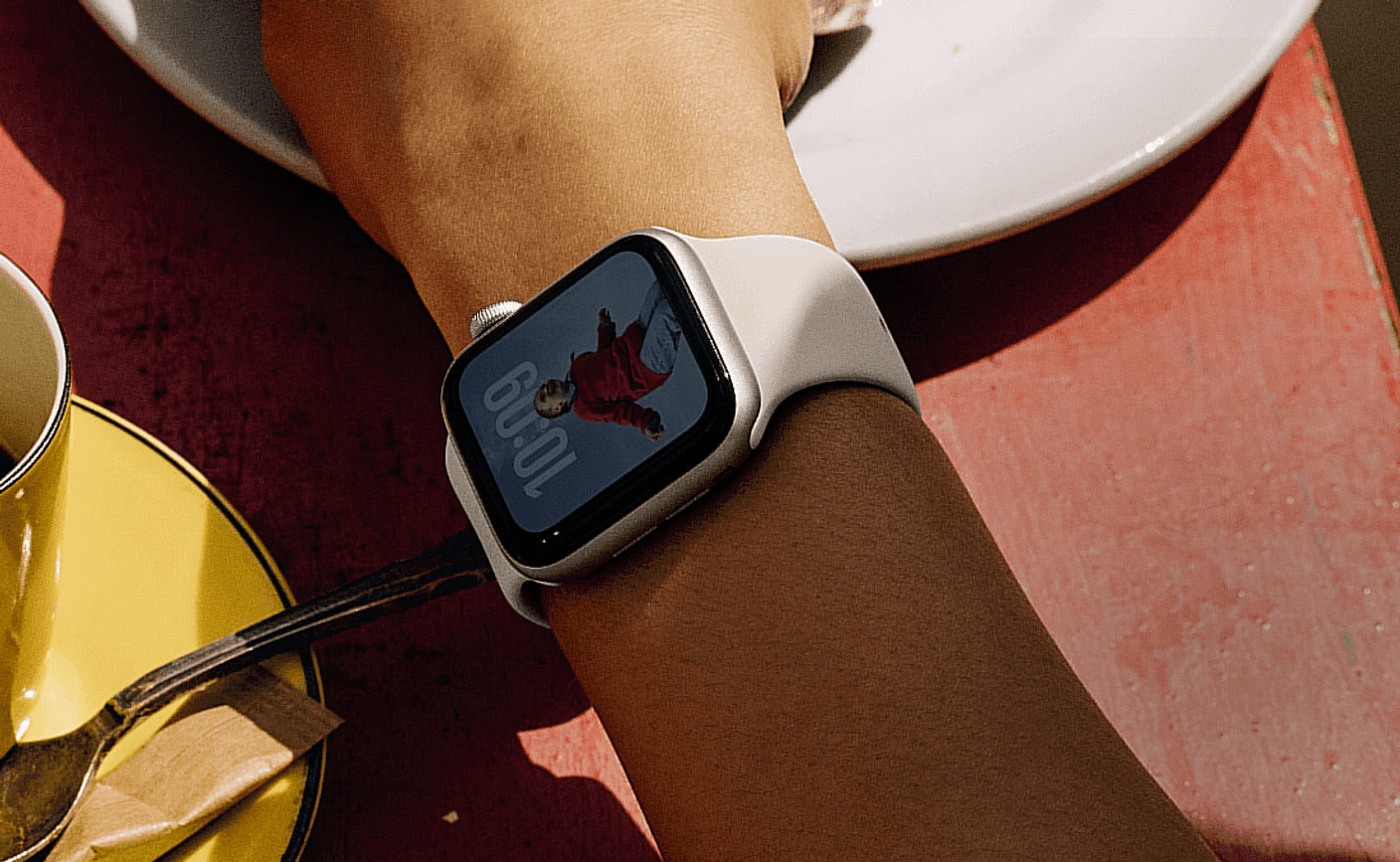
Image: Apple
Where it shines is integration. Fall detection, emergency SOS, and Family Setup make it easy for relatives to stay connected. However, it can feel slightly overwhelming for seniors who don’t want constant notifications.
Pros & Cons
Pros
Strong fall detection and emergency features
Excellent family connectivity
Reliable performance and updates
Cons
Can feel complex for non-tech users
Battery life requires daily charging
Standout feature
Family Setup allows caregivers to manage safety features remotely.
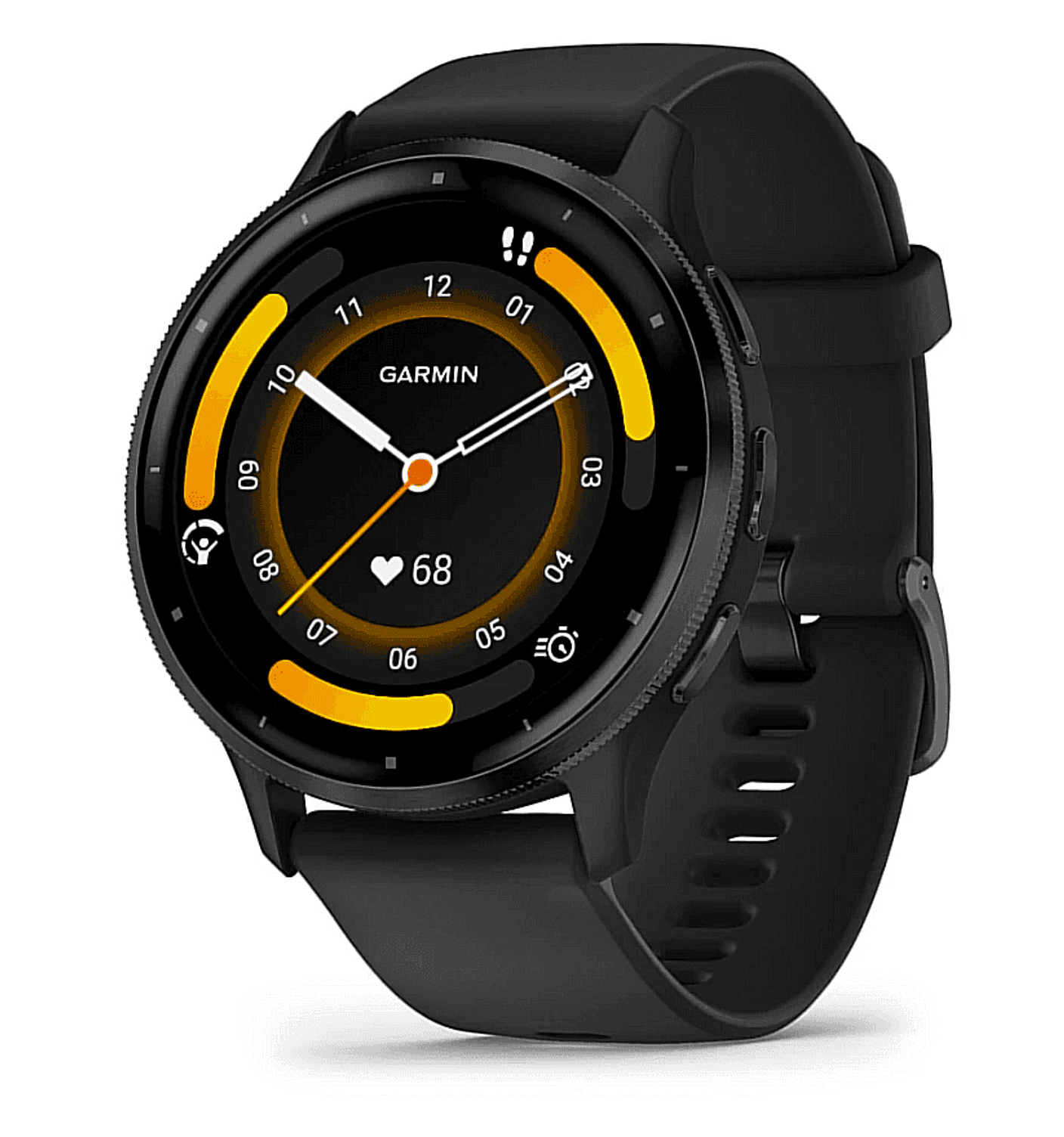
Garmin Venu 3: Best for Health Tracking Accuracy
More detailed review
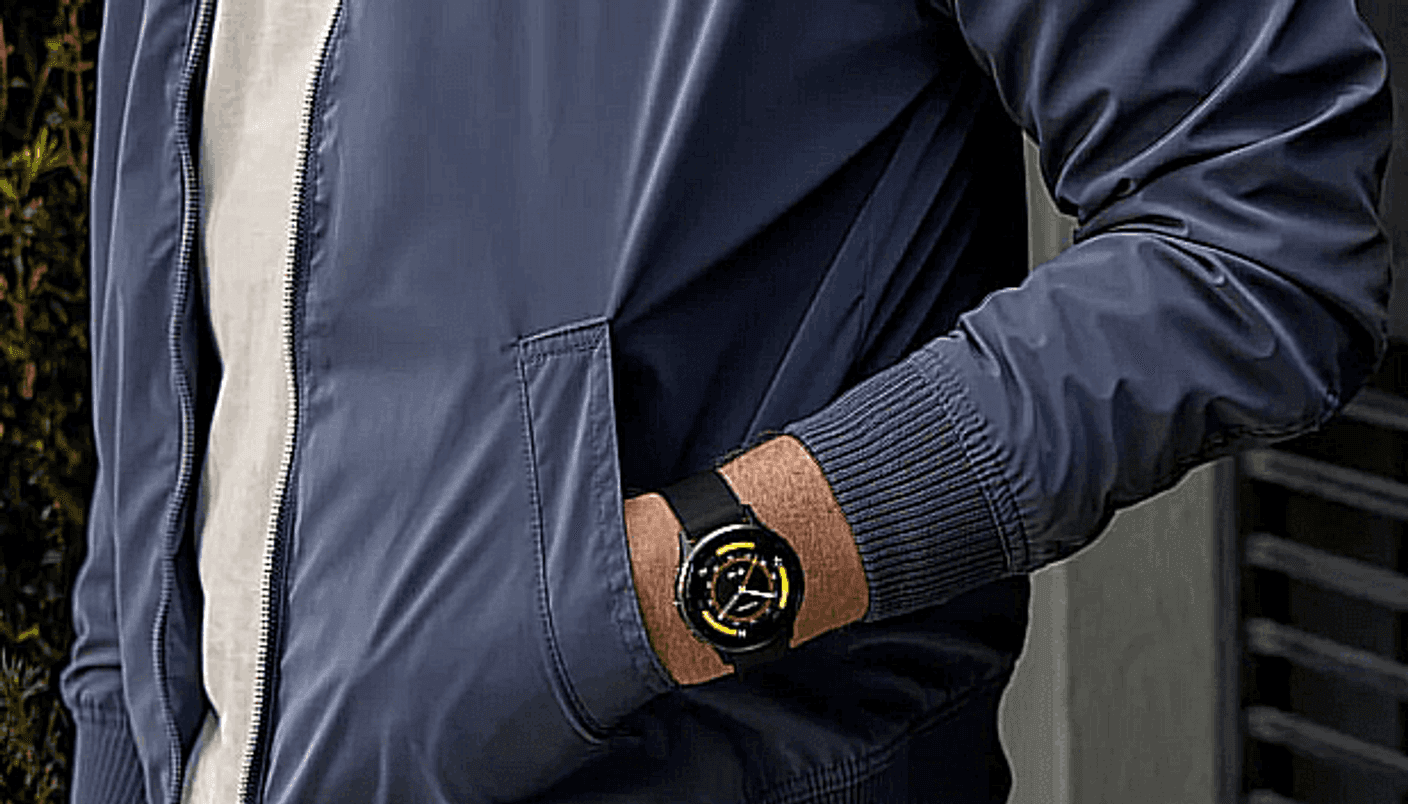
Image: Garmin
Garmin leans heavily into fitness accuracy and wellness tracking. It’s less about apps and more about data: heart rate, sleep quality, and body battery metrics.
For seniors who still want an active lifestyle tracker, this is one of the strongest wearables for seniors in terms of health depth.
Pros & Cons
Pros
Exceptional battery life
Highly accurate health tracking
Easy-to-read interface
Cons
UI is still “techy” for beginners
Emergency features less polished than Apple
Standout feature
Body Battery energy tracking helps users understand daily fatigue levels.


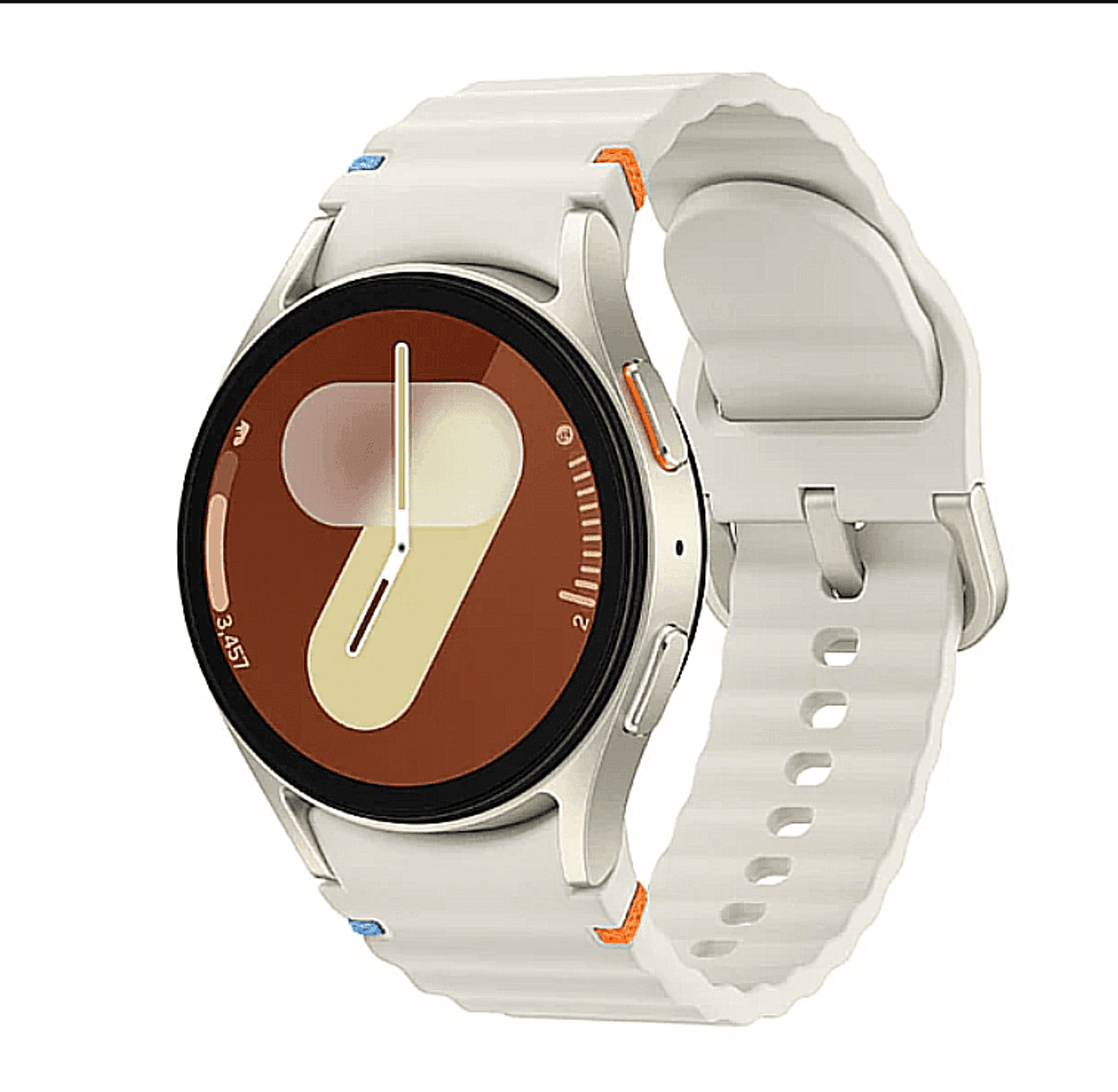
Samsung Galaxy Watch7: Best Android Smartwatch Option
More detailed review
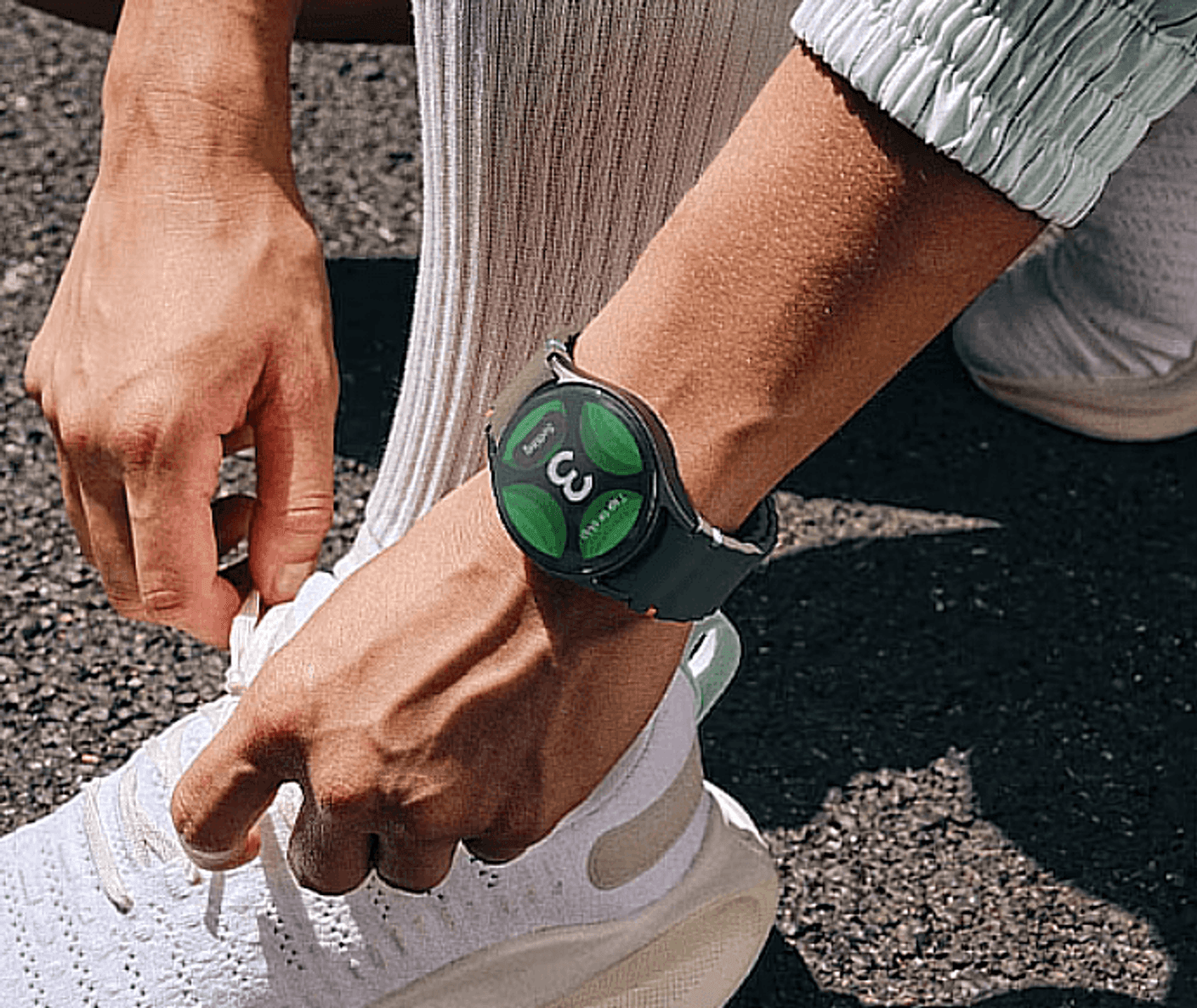
Image: Samsung
The Galaxy Watch7 brings solid health tracking and a polished interface. It’s one of the more feature-rich wearables for seniors, though that richness can also be its weakness for simplicity-focused users.
Pros & Cons
Pros
Strong health and fitness tracking
Bright, readable display
Good integration with Android phones
Cons
Feature-heavy interface
Battery life shorter than fitness-focused rivals
Standout feature
Advanced bioactive sensor suite for health tracking depth.
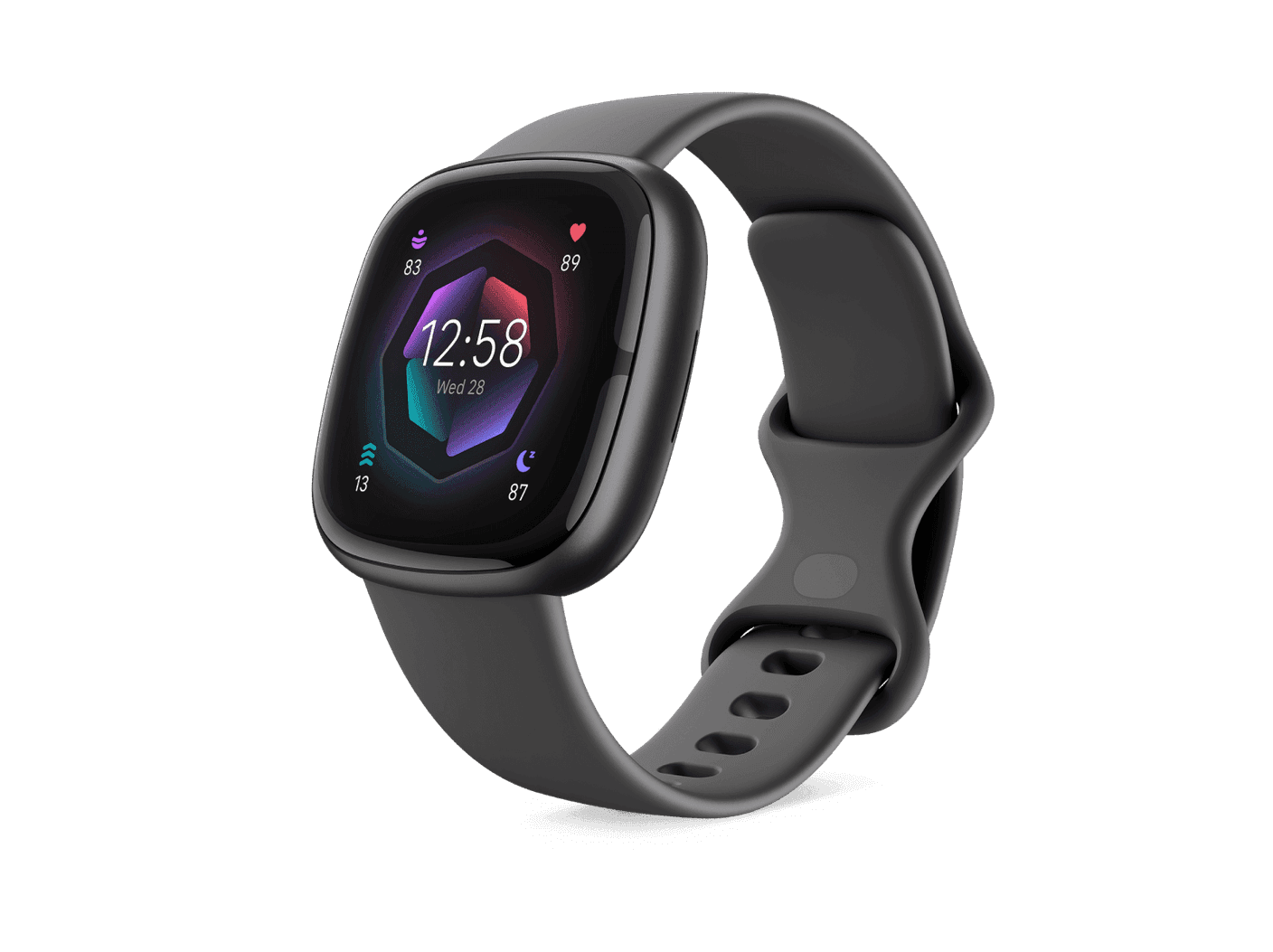
Fitbit Sense 2: Best for Stress & Wellness Tracking
More detailed review

Image: FitBit
This is one of the easiest wearables for seniors to understand because Fitbit presents data in simple, digestible scores rather than complex metrics.
Pros & Cons
Pros
Simple wellness dashboard
Strong sleep and stress tracking
Lightweight design
Cons
Limited smartwatch features
Some advanced tools behind subscription
Standout feature
Daily Stress Management Score simplifies mental wellness tracking.
Final Verdict: The Best Wearables for Seniors Depend on One Thing: Tolerance for Complexity
There’s no universal winner here, but there is a clear pattern.
The more features a wearable adds, the more it assumes the user wants to manage complexity. That’s fine for tech-savvy users, but not always ideal for seniors who just want safety and simplicity.
If you want maximum simplicity with zero learning curve → HLTH Band leads
If you want the most complete safety ecosystem → Apple Watch Series 11
If you want balanced Apple affordability → Apple Watch SE 3
If you want deep health insights for active lifestyles → Garmin Venu 3
If you want simple wellness feedback → Fitbit Sense 2
But if you strip everything down to the core question, what wearable actually reduces friction in a senior’s daily life? The answer is still clear.
HLTH Band doesn’t try to be a smartwatch. It tries to be reliable. And in this category, that’s often the smartest design decision of all.

Sophie Bennett
Wearables & Health Tech Writer
Sophie focuses on wearables, fitness technology, and digital health trends. She enjoys breaking down complex health features into easy-to-understand insights that help readers get more value from their devices.