Can Your Smartwatch Detect Atrial Fibrillation
Health Tech
By Sophie Bennett

Smartwatches have come a long way from counting steps and buzzing with notifications. Today’s best wearables can track sleep, monitor blood oxygen levels, estimate stress, and even record a single-lead electrocardiogram (ECG). Naturally, that raises a big question: can your smartwatch detect atrial fibrillation (AFib)?
Many modern smartwatches can identify signs of AFib, a common heart rhythm disorder that affects millions of people worldwide. In fact, wearable ECG technology has already helped some users discover heart issues they didn’t know they had. But despite the impressive marketing, your smartwatch isn't a replacement for medical-grade diagnostic equipment or professional healthcare advice.
Here's what today's wearables can actually do, where they fall short, and whether you should trust that AFib notification when it appears on your wrist.
What Is Atrial Fibrillation?
Atrial fibrillation, commonly called AFib, is an irregular and often rapid heart rhythm. Instead of beating in a coordinated pattern, the upper chambers of the heart (atria) beat chaotically, disrupting normal blood flow.
AFib can increase the risk of:
Stroke
Heart failure
Blood clots
Other cardiovascular complications
One challenge is that AFib isn't always noticeable. Some people experience symptoms such as:
Heart palpitations
Dizziness
Fatigue
Shortness of breath
Others experience no symptoms at all, making early detection difficult.
This is where smartwatch-based heart monitoring becomes particularly interesting.
How Smartwatches Detect AFib
Most smartwatch AFib detection systems rely on one or both of the following technologies.
Photoplethysmography (PPG)
PPG sensors use LEDs and light-sensitive sensors on the underside of the watch to monitor blood flow changes beneath the skin.
Every heartbeat causes changes in blood volume. The watch measures these fluctuations and analyzes rhythm patterns over time.
If the software notices irregular intervals that match known AFib characteristics, it may generate an alert.
This method allows continuous or periodic background monitoring without requiring user interaction.
ECG Measurements
Some premium smartwatches include ECG functionality.
Instead of passively monitoring blood flow, ECG features measure the heart's electrical signals directly. Users typically place a finger on a sensor or digital crown for approximately 30 seconds while the watch records a rhythm strip.
This approach is generally more accurate than passive PPG monitoring and provides a stronger indication of whether an irregular rhythm may be present.
Which Smartwatches Can Detect AFib?
Several leading wearables now offer AFib detection capabilities.
Apple Watch
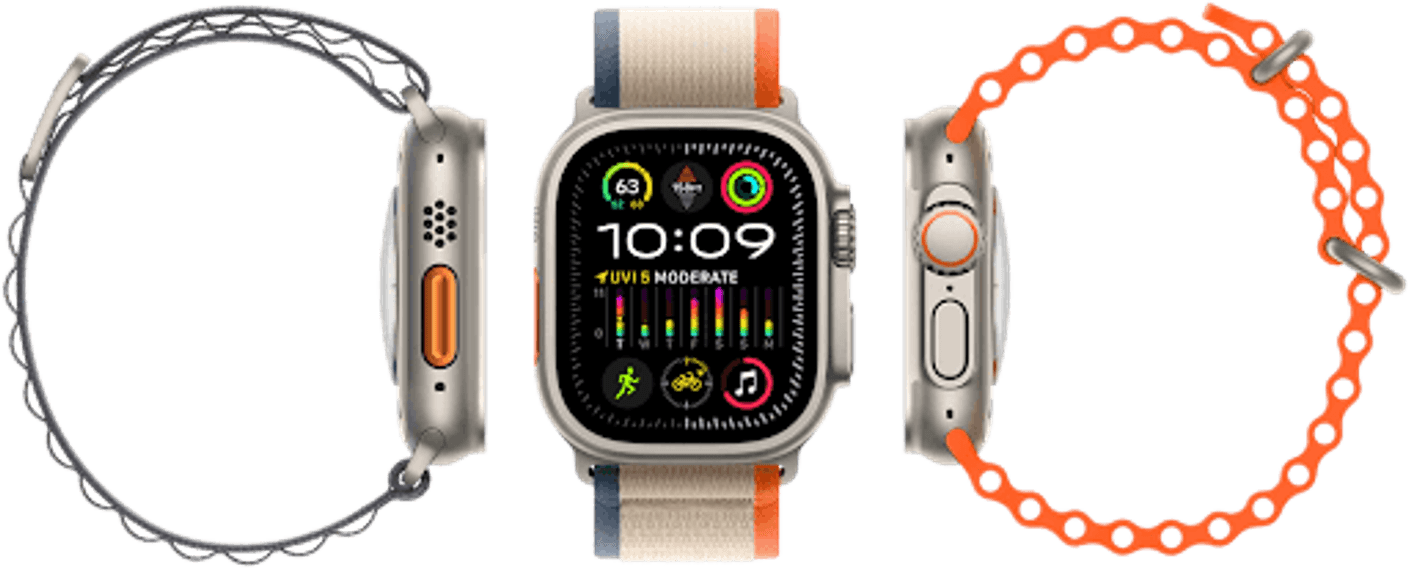
The Apple Watch remains one of the most well-known examples.
Models such as the Apple Watch Series 11 and Apple Watch Ultra 3 include:
FDA-cleared ECG functionality
Irregular rhythm notifications
Long-term heart monitoring features
Health app integration for sharing reports with physicians
Apple's heart monitoring system is among the most mature and extensively studied in the consumer wearable market.
Samsung Galaxy Watch
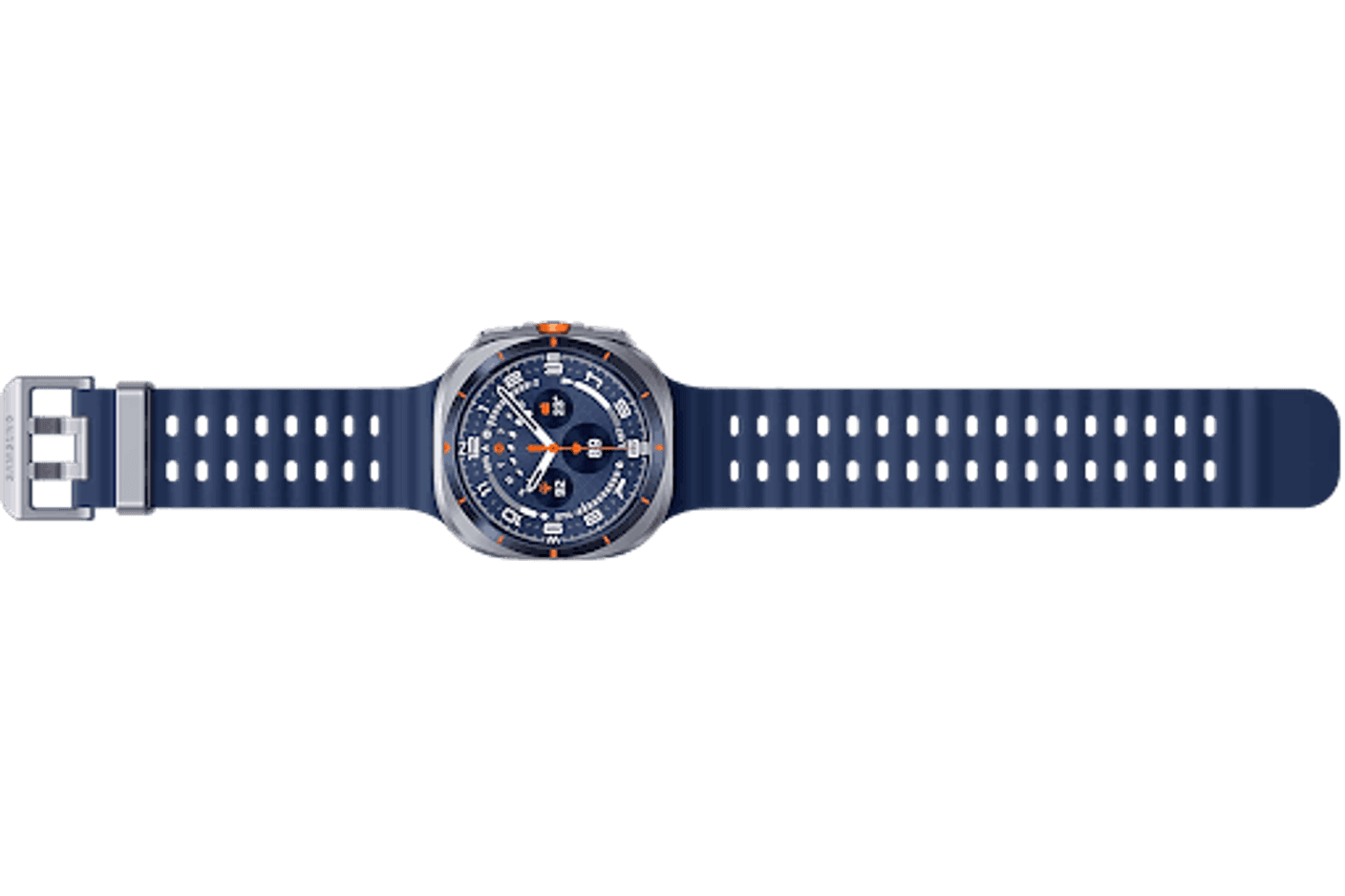
Samsung's recent Galaxy Watch models also include ECG functionality and irregular heart rhythm notifications in supported regions.
The experience is similar to Apple's approach, combining passive monitoring with user-initiated ECG measurements.
Google Pixel Watch
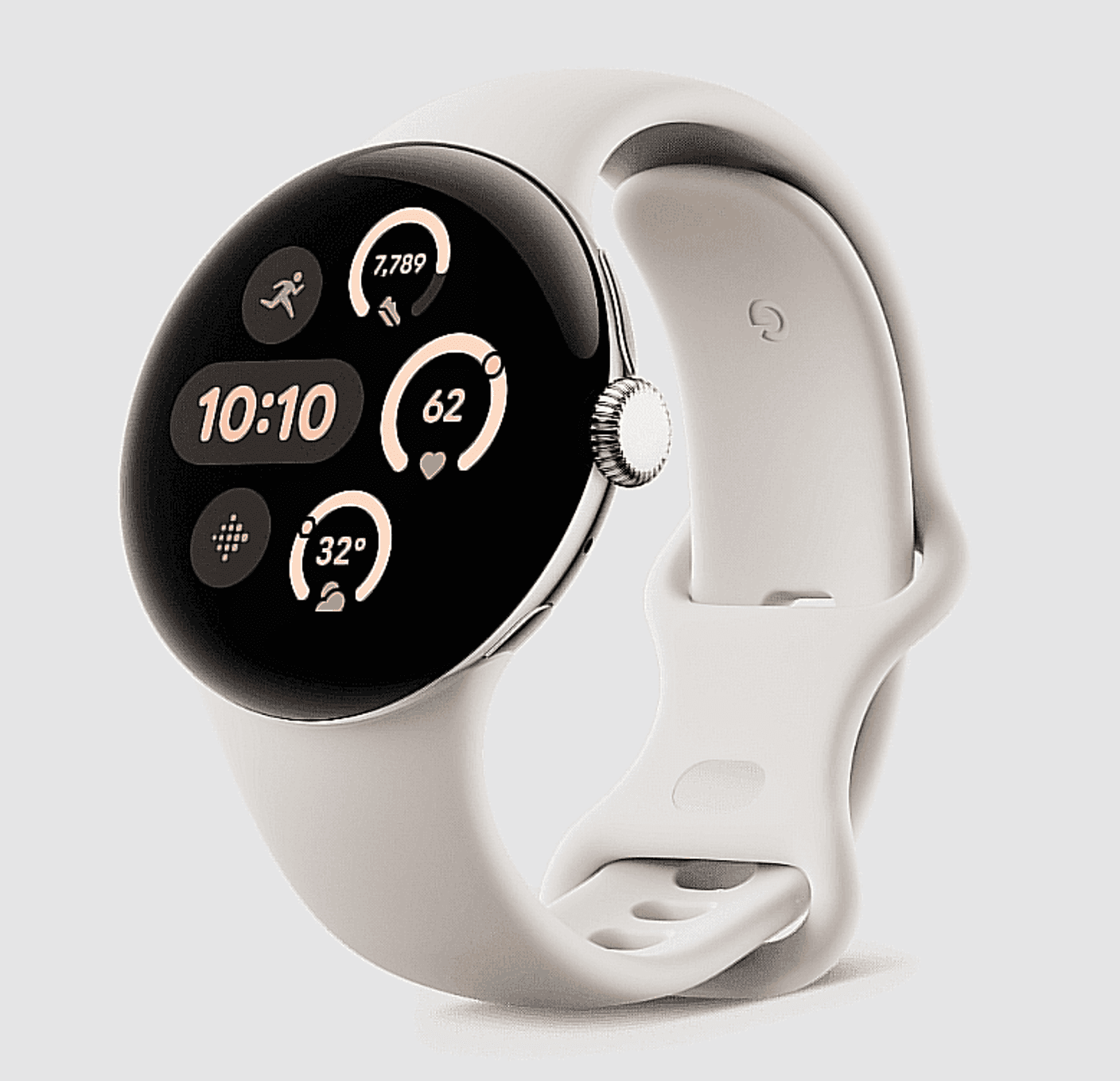
Image: Google Store
Google's Pixel Watch lineup continues to expand health monitoring capabilities, including ECG recording and rhythm analysis.
For Android users, it's one of the strongest competitors in the wearable health category.
For readers interested in broader wearable health tracking features, check out Tech Unboxed's guide to the Best Wearables for Women's Health and Cycle Tracking and our roundup of the Best Tech Tools for Managing Menopause Symptoms.
How Accurate Are Smartwatch AFib Alerts?
This is where things get more nuanced.
The best smartwatch AFib systems can be surprisingly effective, particularly when users experience intermittent episodes.
Several large-scale studies involving wearable heart monitoring have shown strong sensitivity for detecting irregular rhythms associated with AFib. In practical terms, many devices can successfully identify potential warning signs that warrant further medical evaluation.
However, smartwatch alerts are not perfect.
False Positives Happen
Exercise, stress, dehydration, poor watch fit, motion artifacts, and other factors can occasionally trigger inaccurate readings.
Receiving an AFib notification does not automatically mean you have atrial fibrillation.


False Negatives Are Also Possible
The opposite problem can occur as well.
If AFib episodes are brief, infrequent, or happen when monitoring isn't active, the watch may miss them entirely.
No consumer wearable currently provides continuous medical-grade ECG monitoring.
What Happens If Your Watch Detects AFib?
The most important thing is not to panic.
A smartwatch notification should be viewed as a signal to investigate further rather than a diagnosis.
If you receive an AFib alert:
Save the ECG recording if available.
Export the report through the companion health app.
Schedule an appointment with a healthcare provider.
Discuss the results and next diagnostic steps.
Doctors may recommend:
Clinical ECG testing
Holter monitoring
Event monitors
Additional cardiovascular evaluation
Think of your smartwatch as an early warning system rather than a definitive medical authority.
Should You Buy a Smartwatch Specifically for AFib Detection?
For certain users, absolutely.
Individuals who may benefit most include:
Older adults
People with cardiovascular risk factors
Users with a family history of AFib
Individuals experiencing unexplained palpitations
Health-conscious users who want deeper wellness insights
However, AFib detection shouldn't be the sole reason for purchasing a smartwatch.
The best wearables combine heart monitoring with:
Fitness tracking
Sleep analysis
Recovery metrics
Activity monitoring
Emergency safety features
The heart-monitoring capabilities become one valuable feature among many.
The Bigger Picture: Wearables Are Becoming Preventive Health Tools
One of the most fascinating developments in wearable technology is the shift from fitness tracking to preventive healthcare.
A decade ago, smartwatches mainly counted steps. Today, they're capable of identifying potential heart rhythm abnormalities, monitoring sleep quality, tracking stress, and providing health insights that once required dedicated medical equipment.
We're still far from replacing doctors with wearables, but the gap between consumer technology and clinical monitoring continues to shrink.
That's arguably the most important takeaway from smartwatch AFib detection. The technology isn't perfect, but it can help identify problems earlier than ever before.
Verdict: Can Your Smartwatch Detect Atrial Fibrillation?
Yes, many modern smartwatches can detect signs of atrial fibrillation with impressive accuracy.
Features such as ECG recording and irregular rhythm notifications have transformed wearables into useful screening tools that can alert users to potential heart rhythm abnormalities.
The catch is that these devices cannot diagnose AFib on their own. False positives and missed events remain possible, and any alert should be confirmed through professional medical evaluation.
From a technology perspective, though, this is one of the most meaningful health features we've seen arrive on consumer wearables. For the right user, a smartwatch may not just track daily activity, it could provide an early warning that prompts a potentially life-saving conversation with a doctor.

Sophie Bennett
Wearables & Health Tech Writer
Sophie focuses on wearables, fitness technology, and digital health trends. She enjoys breaking down complex health features into easy-to-understand insights that help readers get more value from their devices.