Camera Buying Guide: DSLR vs Mirrorless vs Smartphone
Buying Guides
By Ethan Walker


There has never been a better time to buy a camera. The problem? There are now too many good options.
Most people don't actually need what they think they need when it comes to shooting photos or videos. Some buyers immediately assume they need a professional DSLR. Others believe modern smartphones have completely replaced dedicated cameras. The truth sits somewhere in the middle.
Your choice between a DSLR, a mirrorless camera, or a smartphone comes down to how you shoot, what you're willing to carry, and how much control you want over your photos and videos.
If you're shopping for your first camera, or wondering if it's time to upgrade, this guide will help you figure out exactly which type of camera deserves your money.
DSLR vs Mirrorless vs Smartphone: Quick Verdict
User Type | Best Choice |
|---|---|
Casual users | Smartphone |
Social media creators | Smartphone or Mirrorless |
Travel photographers | Mirrorless |
Beginner hobbyists | Mirrorless |
Sports photographers | Mirrorless |
Wildlife photographers | Mirrorless |
Professional photographers | Mirrorless |
Budget-conscious learners | DSLR |
Content creators | Mirrorless |
For most buyers, mirrorless cameras offer the best balance of image quality, portability, autofocus performance, and future-proofing.
DSLRs still have value for budget buyers, while smartphones remain the easiest and most convenient option for everyday photography.
Understanding the Three Camera Categories
DSLR Cameras
DSLR stands for Digital Single-Lens Reflex. These cameras use a mirror system that reflects light into an optical viewfinder.
The technology is proven, reliable, and capable of producing stunning images. However, most major manufacturers have shifted development toward mirrorless systems.
Mirrorless Cameras
Mirrorless cameras eliminate the mechanical mirror and rely on electronic viewfinders or displays.
This allows manufacturers to create smaller bodies, faster autofocus systems, and more advanced video capabilities.
Today, mirrorless is where innovation is happening.
Smartphones
Modern smartphones combine computational photography, AI processing, and increasingly powerful camera sensors.
They're always in your pocket, instantly connected, and capable of producing impressive results without requiring technical knowledge.
Canon EOS R100: Best Budget Camera
Price: Starting around $429.99 with RF-S 18-45mm Lens Kit
Pros
Affordable entry into the RF ecosystem
Compact and lightweight
Excellent image quality for the price
Beginner-friendly controls
Access to Canon RF lenses
Cons
Basic video features
Slower burst shooting
Older autofocus system than higher-end EOS R models
Fixed rear display
Standout Feature
The most affordable entry point into Canon's modern RF mirrorless ecosystem.
Detailed Review
Image: Amazon
The EOS R100 exists for one reason: making interchangeable-lens photography accessible.
Compared to a smartphone, you'll immediately notice better background separation, stronger low-light performance, and significantly more room to grow as a photographer.
No, it isn't the most advanced mirrorless camera. That's the point.
For first-time buyers, the R100 covers the essentials without overwhelming them with professional features they'll never use.
Canon EOS R10: Best Overall Camera
Price: Starting around $1266 with RF-S 18-150mm Lens Kit
Pros
Outstanding autofocus performance
Excellent image quality
Fast burst shooting
Great beginner-to-enthusiast camera
Strong video capabilities
Cons
No in-body image stabilization
Average battery life
Limited weather sealing
Standout Feature
Advanced subject-detection autofocus that performs well above its price class.
Detailed Review
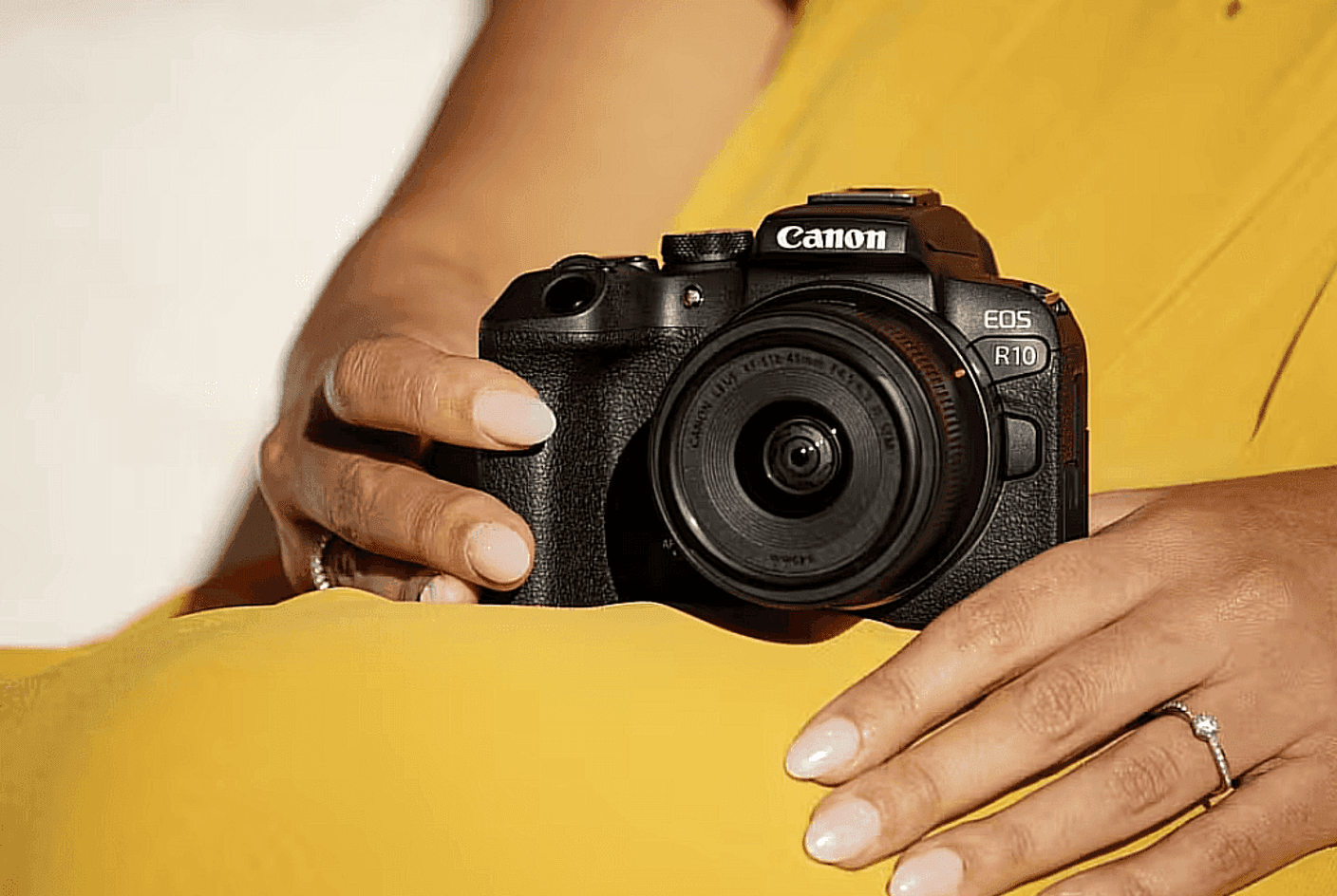
Image: Canon
The EOS R10 showcases why mirrorless cameras have become the default recommendation.
Its autofocus can track people, animals, and moving subjects with surprising consistency, while the compact body makes it easy to bring everywhere.
Whether you're shooting family events, vacations, sports, pets, or YouTube content, the R10 handles nearly every scenario comfortably.
For most buyers, this is the camera to beat.


Sony Alpha a6700: Best Camera for Enthusiasts
Price: Starting at $1,499.99 (Body Only)
Pros
Exceptional AI-powered autofocus
Outstanding 4K video
Excellent battery life
Compact body
Massive lens selection
Cons
Expensive for beginners
Menus remain complicated
Lenses add significant cost
Standout Feature
One of the smartest autofocus systems currently available in a consumer camera.
Detailed Review
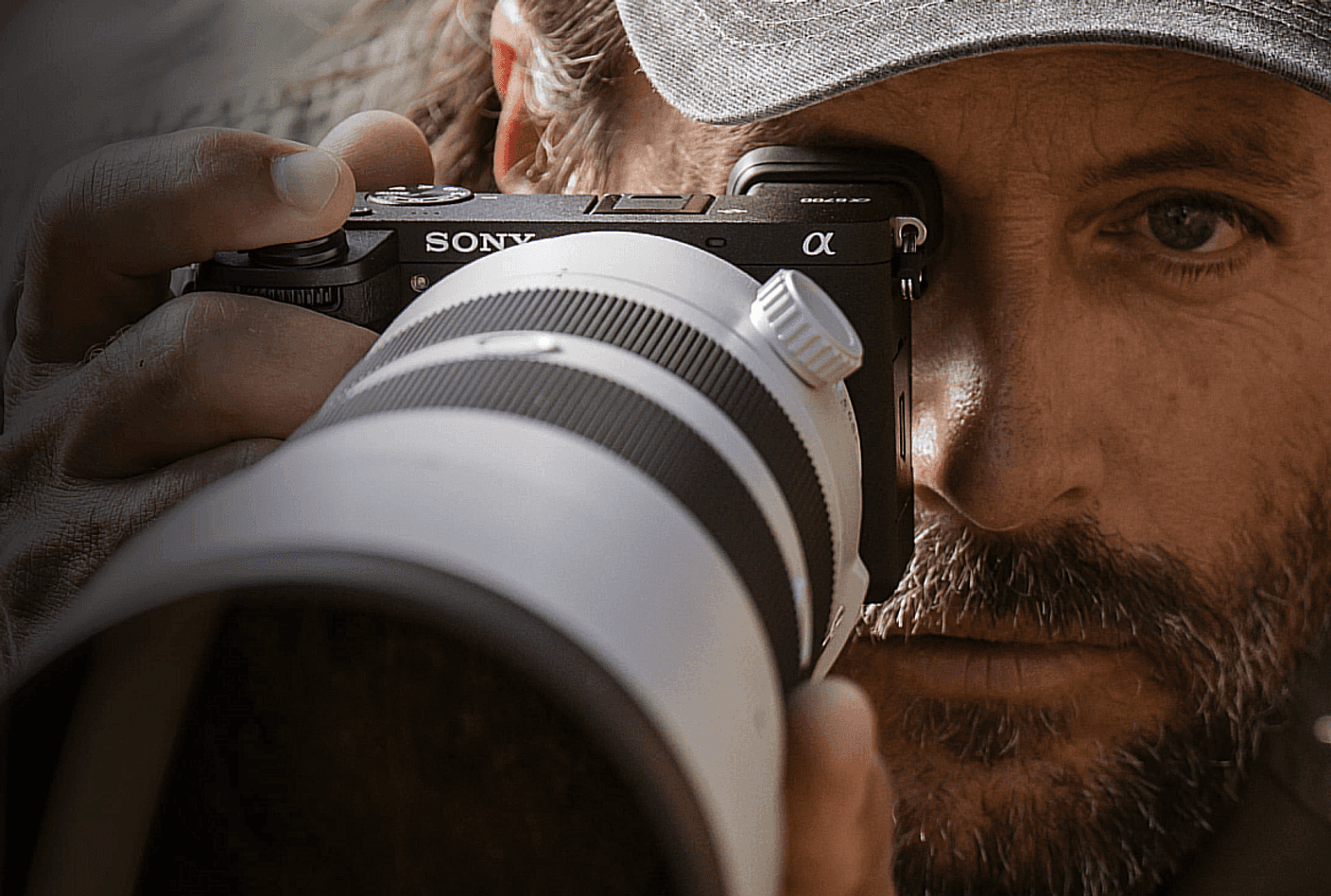
Image: Sony
Sony continues to dominate autofocus technology, and the a6700 demonstrates exactly why.
The camera recognizes subjects quickly, tracks them reliably, and makes difficult photography situations feel effortless.
For creators who split their time between photography and video production, it's one of the strongest all-around cameras currently available.
Best Smartphone Camera: Apple iPhone 17 Pro
Price: Starting at $1099.00
Pros
Always in your pocket
Excellent computational photography
Industry-leading mobile video
Instant editing and sharing
Easy to use
Cons
Less creative flexibility
Smaller sensors than dedicated cameras
Digital zoom limitations
Battery drain during heavy shooting
Standout Feature
Professional-grade mobile video recording paired with Apple's computational photography system.
Detailed Review
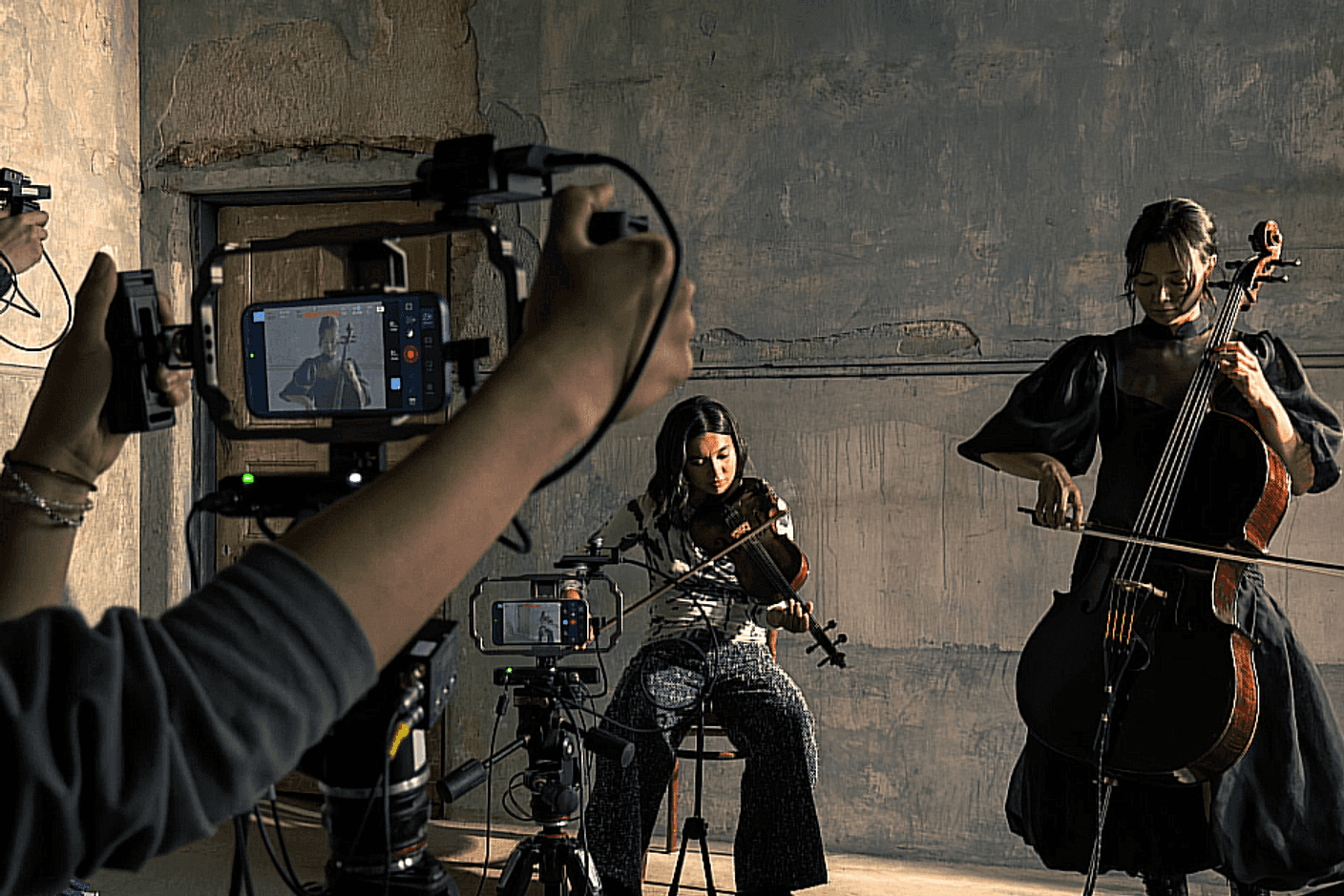
Image: Apple
The iPhone 17 Pro continues Apple's push toward replacing standalone cameras for everyday users.
Image quality is excellent, videos look fantastic, and the convenience factor is impossible to ignore.
For social media creators, travelers, families, and casual photographers, it's often the camera that gets used the most, which makes it incredibly valuable.


Side-by-Side Comparison
Feature | Canon EOS R100 | Canon EOS R10 | Sony a6700 | iPhone 17 Pro |
|---|---|---|---|---|
Category | Mirrorless | Mirrorless | Mirrorless | Smartphone |
Starting Price | $479.99 | $1266.00 | $1499.99 | $1099.00 |
Interchangeable Lenses | Yes | Yes | Yes | No |
Portability | Good | Good | Good | Excellent |
Video Performance | Good | Very Good | Excellent | Excellent |
Autofocus | Good | Excellent | Excellent | Excellent |
Beginner Friendly | Excellent | Excellent | Good | Excellent |
Future-Proofing | Excellent | Excellent | Excellent | Good |
Should You Buy a DSLR in 2026?
Yes, If:
You already own DSLR lenses
You find a great used deal
You specifically want an optical viewfinder
No, If:
You're buying your first camera
You want the latest autofocus technology
You care about future lens support
You shoot a lot of video
For most new buyers, a mirrorless camera simply makes more sense.
Which Camera Should You Buy?
Buy the Canon EOS R100 If:
You want the cheapest path into serious photography.
Buy the Canon EOS R10 If:
You want the best balance of price, features, and long-term value.
Buy the Sony Alpha a6700 If:
You create content professionally or want enthusiast-level performance.
Buy the iPhone 17 Pro If:
Convenience matters more than interchangeable lenses.
Final Verdict
The DSLR versus mirrorless versus smartphone debate isn't really a debate anymore.
Smartphones dominate convenience.
Mirrorless cameras dominate dedicated photography.
DSLRs have become a niche option for existing users and bargain hunters.
If you're purchasing your first camera today, the Canon EOS R10 is our top recommendation. It offers the strongest combination of image quality, autofocus performance, portability, and future-proofing at a price that still feels reasonable.
But if you simply want to take better photos than your current phone can deliver, the Canon EOS R100 is arguably the best value camera on the market.
The right camera isn't the one with the longest spec sheet.
It's the one you'll actually take with you.

Ethan Walker
Consumer Tech & Mobile Writer
Ethan's love for technology started with building PCs and experimenting with gadgets at a young age. Today, he covers consumer tech, smartphones, and emerging innovations, helping readers understand what products are actually worth their attention.