The Best Smart Plugs for Energy Monitoring
Smart Home
By Oliver Hayes


Smart Plugs today aren’t just “turn your lamp on with your phone” gadgets anymore, they’ve evolved into real energy tracking tools that show you what’s draining power in your home, down to the device. If you’ve ever looked at your bill and thought, “there’s no way I used that much,” this guide is for you. It's the most useful upgrade for anyone trying to understand where their electricity bill is actually going.
We’re breaking this down the way it should be: who each type of smart plug is for, what they do best, and where they fall short. These are practical picks to look for.
What Makes a Great Energy Monitoring Smart Plug?
Not all smart plugs are created equal, especially when energy tracking enters the chat. Some are accurate enough to help you cut costs, others are basically glorified timers.
Core features that actually matter
When judging the Best Smart Plugs for Energy Monitoring, these are the non-negotiables:
Real-time power usage (Watt tracking)
Historical energy data (daily, weekly, monthly)
App clarity (you shouldn’t need a manual to read your bill impact)
Automation support (schedules, triggers, routines)
Platform compatibility (Alexa, Google Home, Apple HomeKit)
Brands like TP-Link and Meross have nailed the balance between usability and detail, while others go deeper into “smart home nerd” territory.
Best Overall Smart Plug for Energy Monitoring
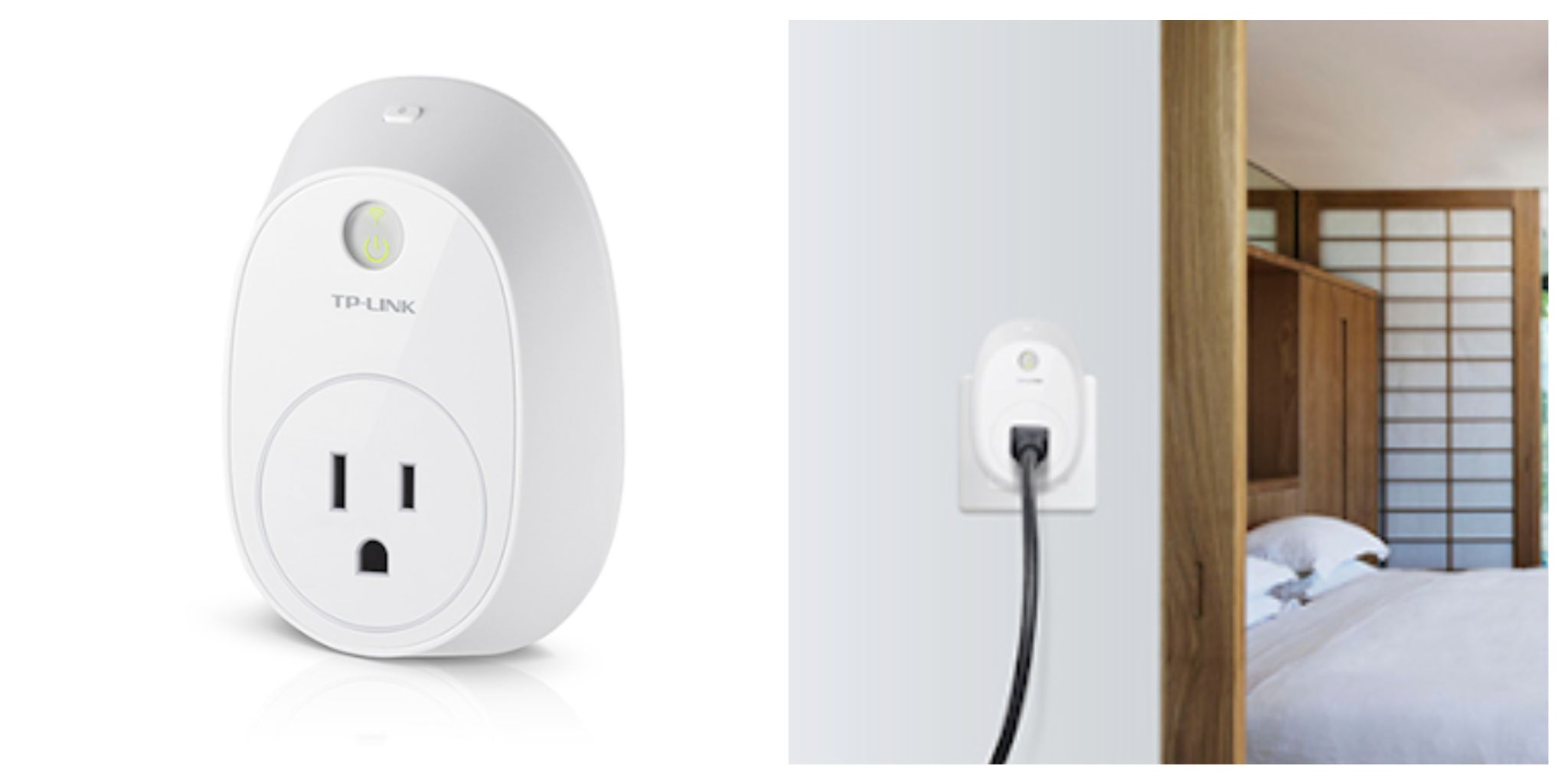
TP-Link Kasa Smart Plug (HS110 / KP115 series)
[Images: TP-Link]
If you want the safest recommendation, this is it. The Kasa lineup from TP-Link has been the benchmark for years, and for good reason.
What makes it stand out:
Clean, reliable energy dashboards
Accurate real-time wattage tracking
Strong app experience (no clutter, just data that matters)
Works across Alexa and Google ecosystems
This is the plug you buy when you don’t want to think too hard, you just want something that works and keeps working. You can schedule when electronics turn on or off according to needs. For more access aside from smartphones, it can also be activated with voice control.
Downside: No Apple HomeKit support, which will matter to some users.
Best Budget Pick Without Sacrificing Too Much
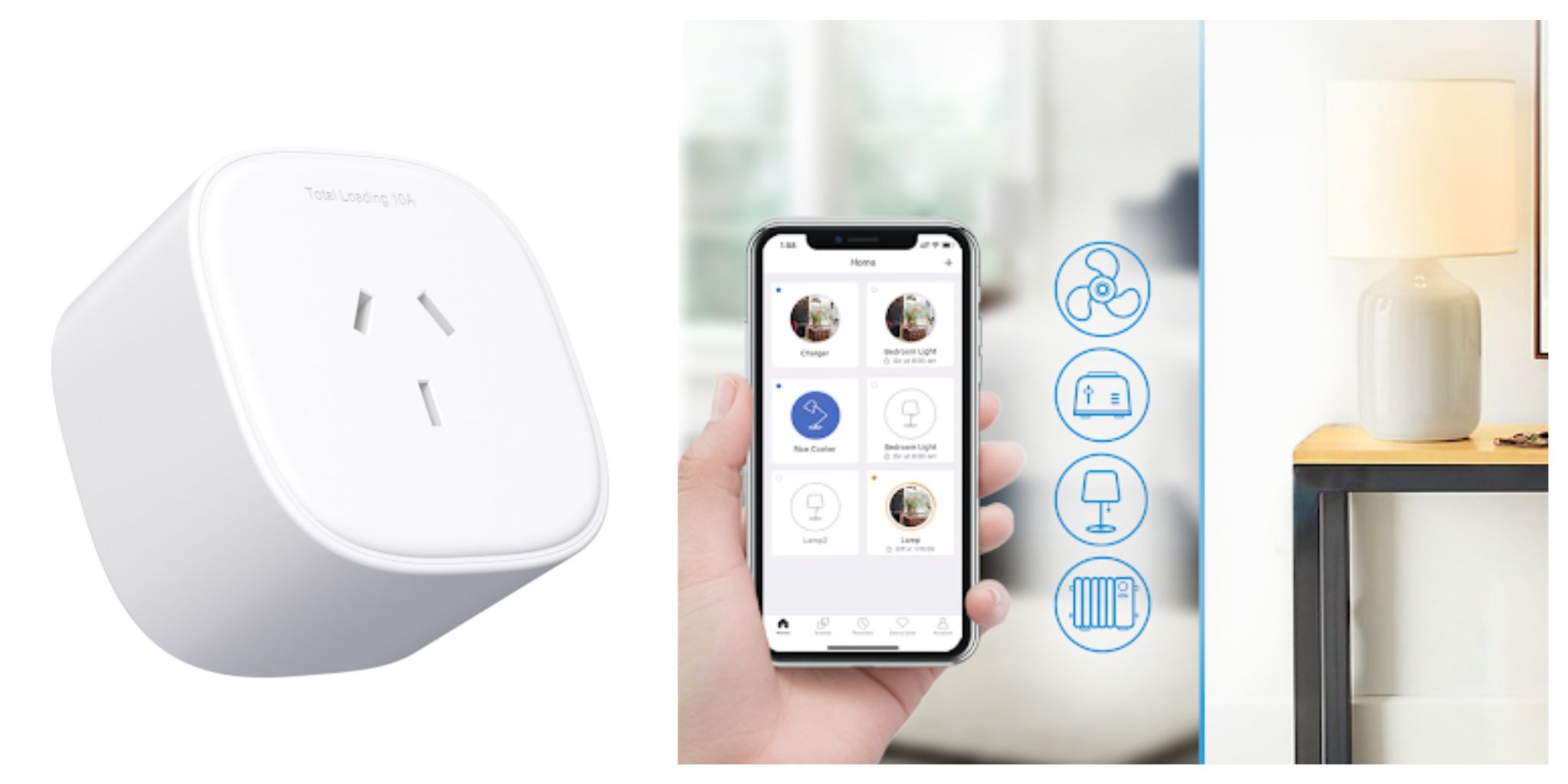
Meross Smart Plug with Energy Monitoring
[Image: Meross]
If you’re trying to outfit multiple rooms without nuking your wallet, Meross is the move.
Why it’s a solid budget choice:
Surprisingly decent energy tracking for the price
Easy setup and stable Wi-Fi connection
Supports Alexa, Google Assistant, and sometimes HomeKit (model dependent)
Great for basic “what’s costing me money?” tracking
It’s not as polished as TP-Link, but it gets the job done without drama.
Downside: App design feels a bit basic, and energy analytics are more functional than insightful.


Best for Apple Home Users
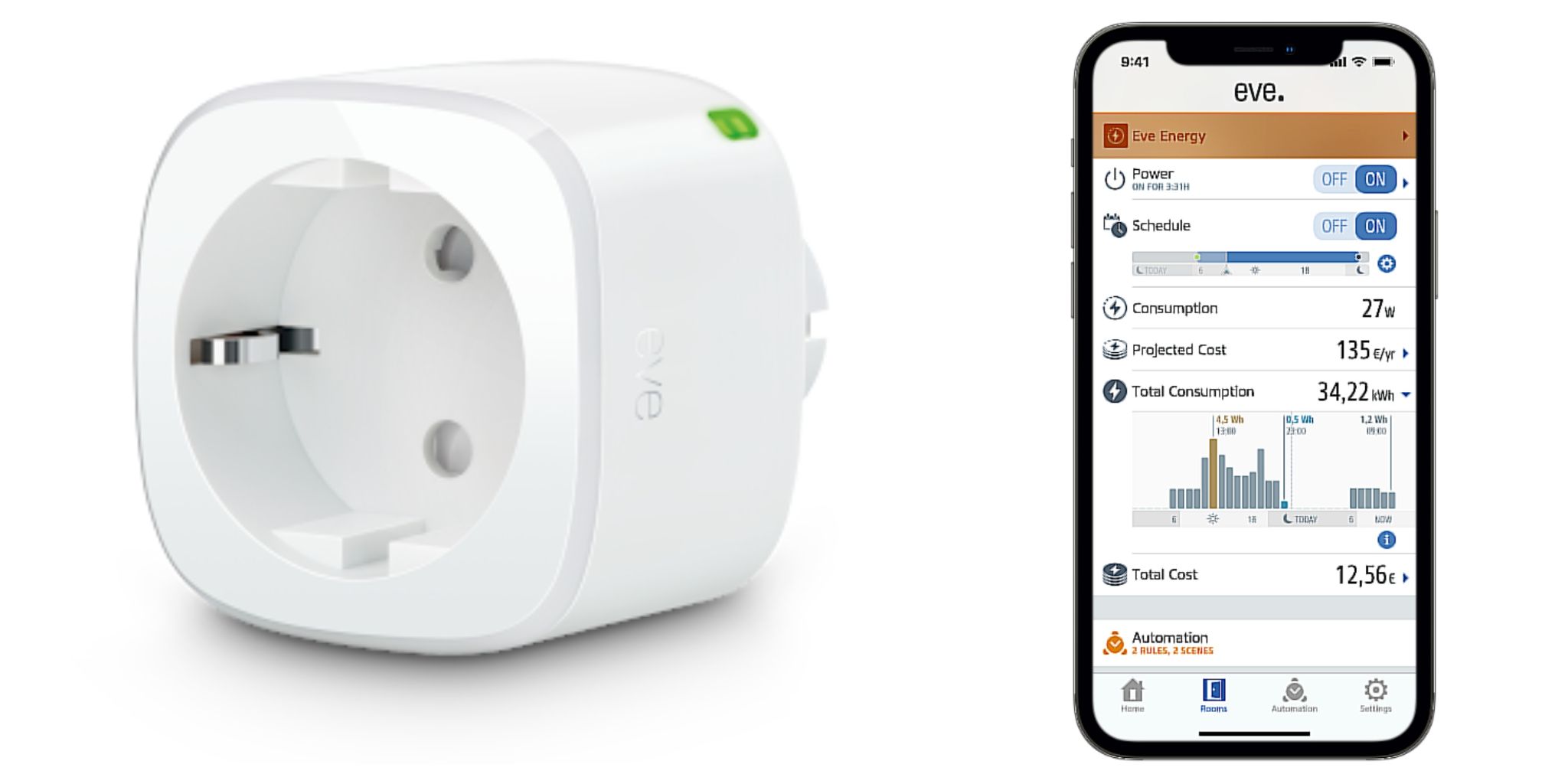
Eve Energy Smart Plug
[Image: Eve Home]
If you live in the Apple ecosystem, this is where things get more premium—and more expensive.
Eve Systems built Eve Energy specifically for HomeKit users, and it shows.
Why Apple users love it:
Native Apple HomeKit integration (no bridges, no hacks)
Very accurate energy monitoring
Strong privacy-first approach (no cloud dependency required in many setups)
Clean integration with the Apple Home app
This is the plug that feels like it was designed by Apple, even though it wasn’t.
Downside: Price. You’re paying the “Apple tax adjacent” premium.
Best for Smart Home Power Users
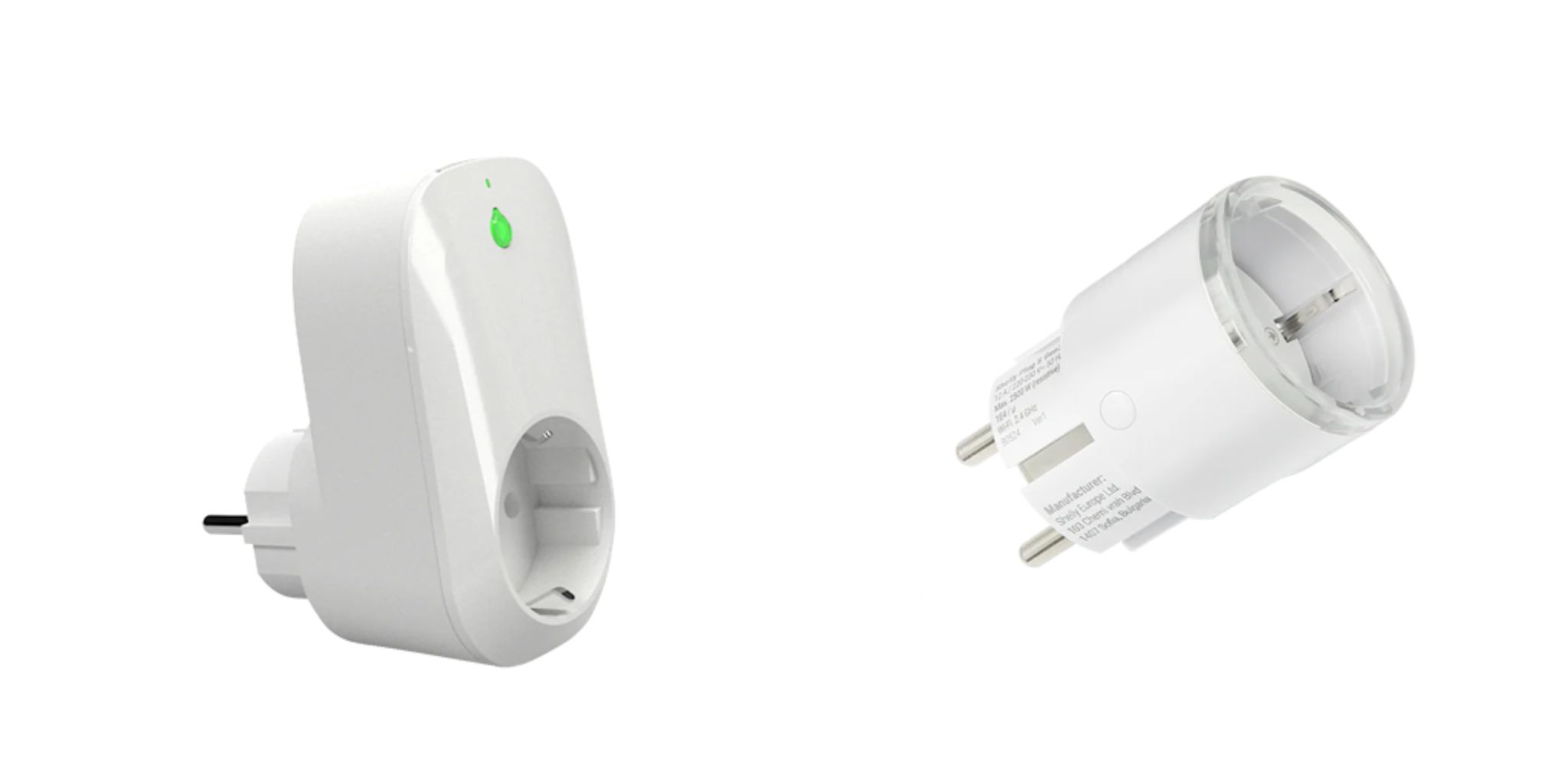
Shelly Plug / Shelly Plug S
[Image: Shelly]
Shelly is for people who want to automate, script, and integrate everything into a broader smart home system while monitoring energy usage.
What makes it different:
Deep energy monitoring with detailed logs
Local control options (no cloud dependency required)
Excellent integration with Home Assistant setups
Compact design that doesn’t block adjacent sockets
This is not a beginner plug. This is for people who already have automations running their lights, fans, and maybe their coffee machine. As mentioned, this is for serious energy users who wants to be precise and efficient.
Downside: Setup complexity. If you just want plug-and-play, look elsewhere.


Best Ecosystem-Friendly Plug for Alexa Users
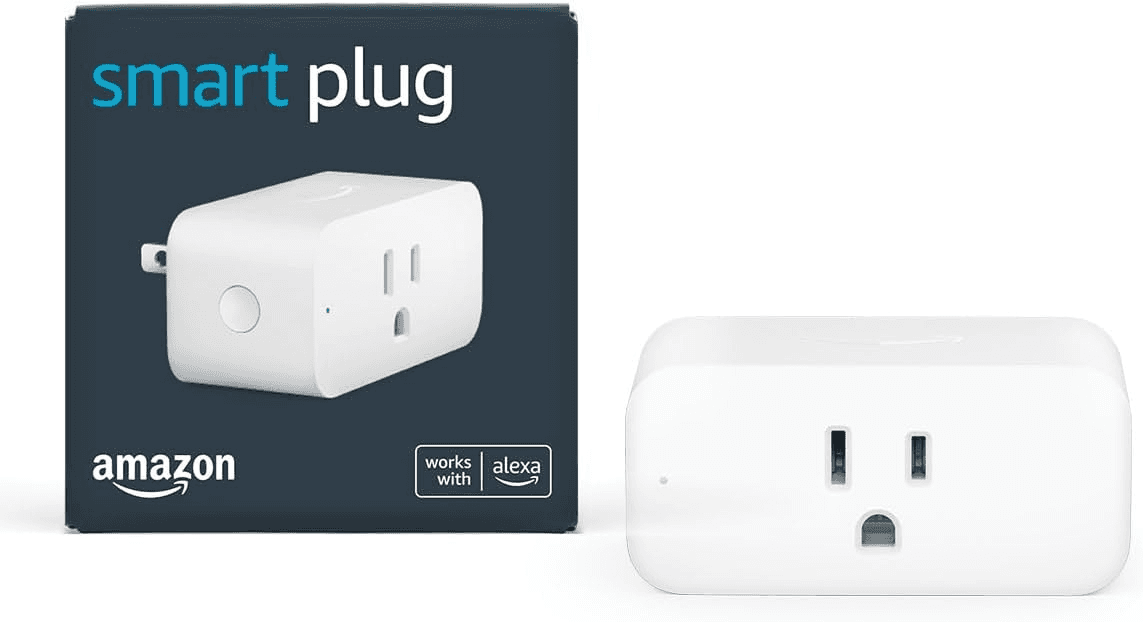
Amazon Smart Plug (with limited energy tracking alternatives)
[Image: Amazon]
Here’s the catch: Amazon Smart Plug itself does not offer robust energy monitoring in most versions.
But if your priority is Alexa integration first and energy monitoring second, it still earns a mention for ecosystem smoothness.
Why people still buy it:
Instant Alexa pairing
Extremely stable voice control
Reliable for basic on/off automation
Downside: Weak or missing energy analytics depending on model. So this is not the plug for serious energy tracking.
Which Smart Plug Should You Actually Buy?
Here’s the breakdown:
Best overall: TP-Link Kasa (most balanced experience)
Best budget: Meross (good enough energy tracking at low cost)
Best Apple setup: Eve Energy (premium, clean, HomeKit-native)
Best advanced users: Shelly Plug (deep control + automation power)
Best Alexa simplicity: Amazon Smart Plug (but limited energy insight)
At the end, Best Smart Plugs for Energy Monitoring are about how clearly they show you where your power is going and whether you’ll actually act on it, not flashy features.
If a plug makes you check the app once and never again, it fails. The winners are the ones that quietly change how you use electricity.

Oliver Hayes
Gadgets & Smart Home Writer
Oliver began writing about gaming and digital culture before moving into the world of consumer technology. He specializes in gadgets, smart home devices, and practical tech advice that helps readers make smarter buying decisions.