Best Smart Home Hubs in 2026: Matter, Home, and Beyond
Smart Home
By Oliver Hayes
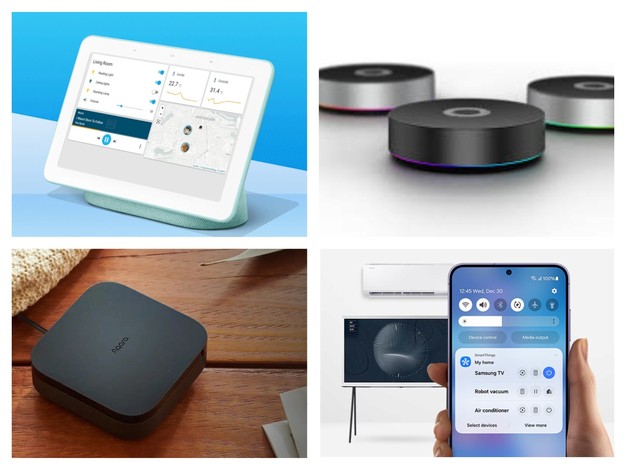




The best smart home hubs in 2026 aren’t really about “setting up a smart home” anymore, they’re about choosing which ecosystem gets to run your daily life. Lights, locks, cameras, thermostats , everything now funnels through a central brain, and thanks to Matter, Apple Home, Google Home, Alexa, and open platforms, that brain is more interchangeable than ever.
But here’s the reality from a reviewer’s chair: not all smart home hubs are built the same. Some are polished but closed. Others are flexible but chaotic. And only a few actually strike the balance in 2026.
1. Apple Home (HomeKit + HomePod)
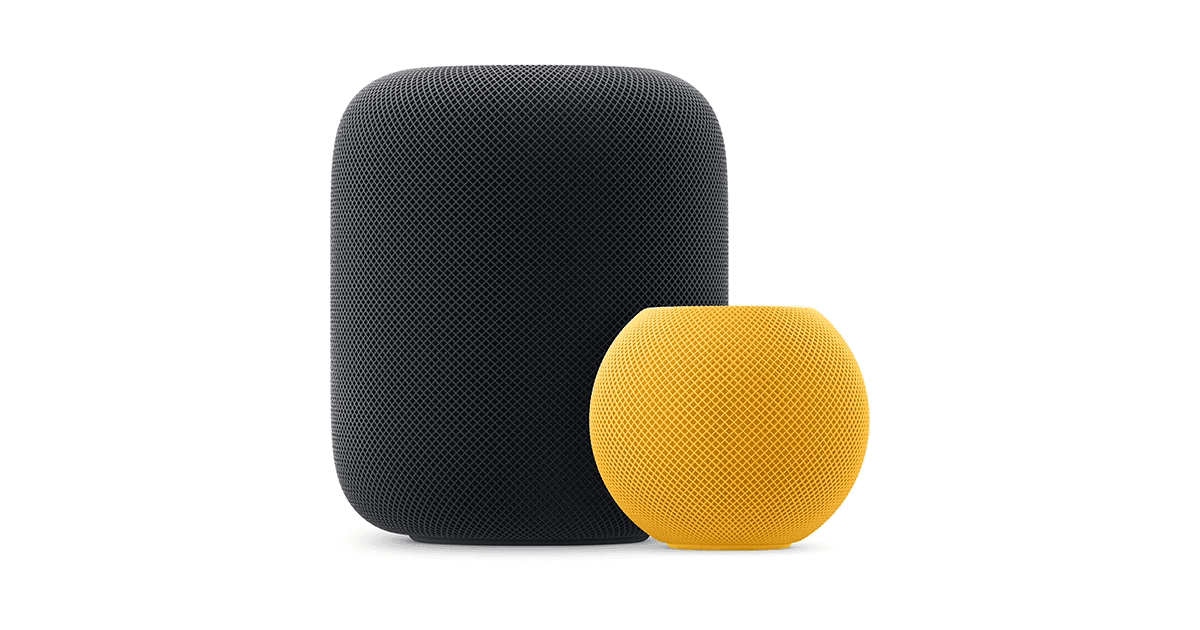
[Image: Apple]
Grade: A+
Apple’s smart home ecosystem, now unified under Apple Home, remains the most polished and frustration-free hub experience in 2026. Pair it with a HomePod or Apple TV 4K and you get a rock-solid Matter controller with zero drama.
Where others feel like “systems,” Apple Home feels like infrastructure.
Why it wins
Seamless Matter integration across devices
Fast, local-first automation (no cloud dependency for basics)
Best-in-class privacy controls
Effortless setup via iPhone
Where it still lags
Expensive ecosystem entry point
Less flexible for advanced automation compared to DIY platforms
Verdict: If you want a smart home that just works, this is still the gold standard.
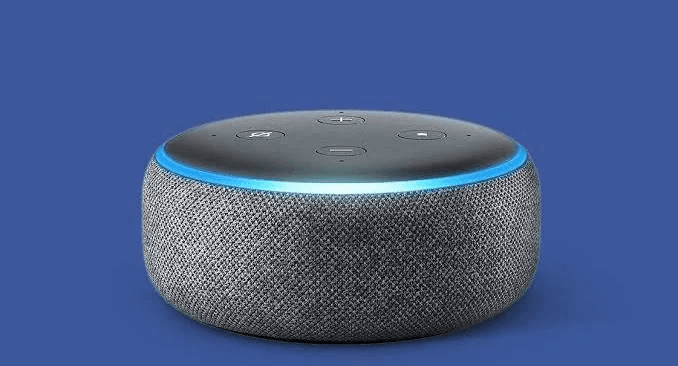
2. Amazon Alexa (Echo Ecosystem)
[Images: Amazon]
Grade: B+
Amazon’s Alexa ecosystem is still the most widely supported smart home platform in 2026. With Echo devices acting as hubs and Matter support baked in, it’s basically the “universal remote” of smart homes.
It’s not the cleanest system, but it’s everywhere.
Pros
Massive device compatibility
Cheap entry points (Echo Dot, Echo Show)
Strong voice assistant performance
Good Matter support across devices
Cons
Ads and promotions in the UI (still annoying)
Cloud dependency for many features
Automation feels less intuitive than competitors
Verdict: Not the most elegant, but unbeatable if you want affordability and compatibility.


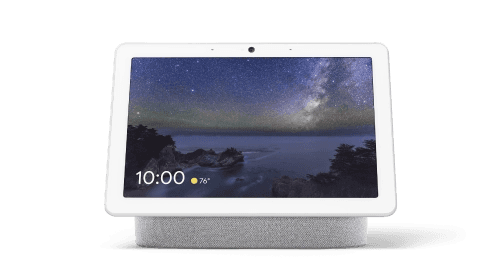
3. Google Home (Nest Hub Ecosystem)
[Images: Google]
Grade: B+
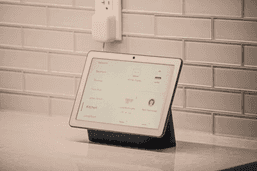
Google’s smart home strategy now centers on the Nest Hub ecosystem, and honestly, it’s the smartest voice layer in this entire lineup.
Where Alexa is reactive, Google feels predictive.
What it does well
Best natural language voice control
Excellent routines via Google Assistant
Clean UI on Nest Hub displays
Strong Matter compatibility
What drags it down
Hardware lineup feels inconsistent
Occasional ecosystem fragmentation
Less “enthusiast-grade” automation depth
Verdict: If you talk to your smart home more than you tap it, this is your hub.
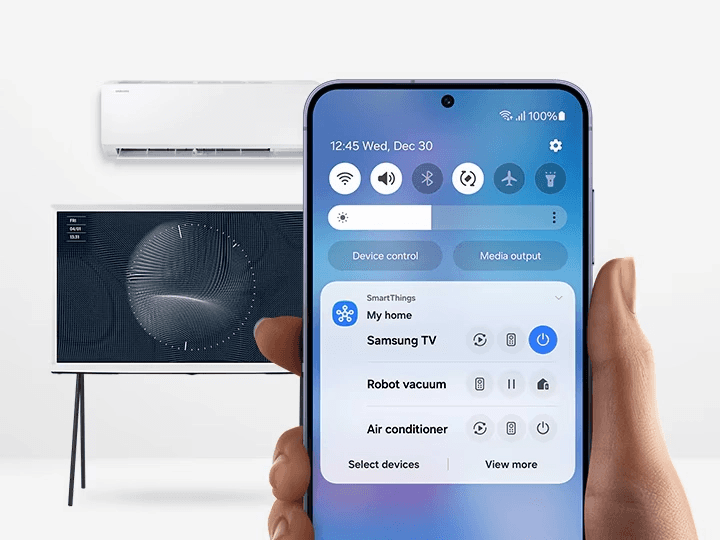
4. Samsung SmartThings
[Images: Samsung]
Grade: A-
Samsung SmartThings is the quiet powerhouse of smart homes in 2026. It doesn’t try to own your ecosystem, it connects everything.
And that’s its strength.
Strengths
Excellent cross-brand compatibility
Strong Matter + Zigbee + Thread support
Deep automation rules
Works well with mixed-device homes
Weaknesses
Interface still feels slightly “technical”
Less beginner-friendly than Apple or Google
Verdict: The smartest choice for mixed-device homes and power users who hate walled gardens.


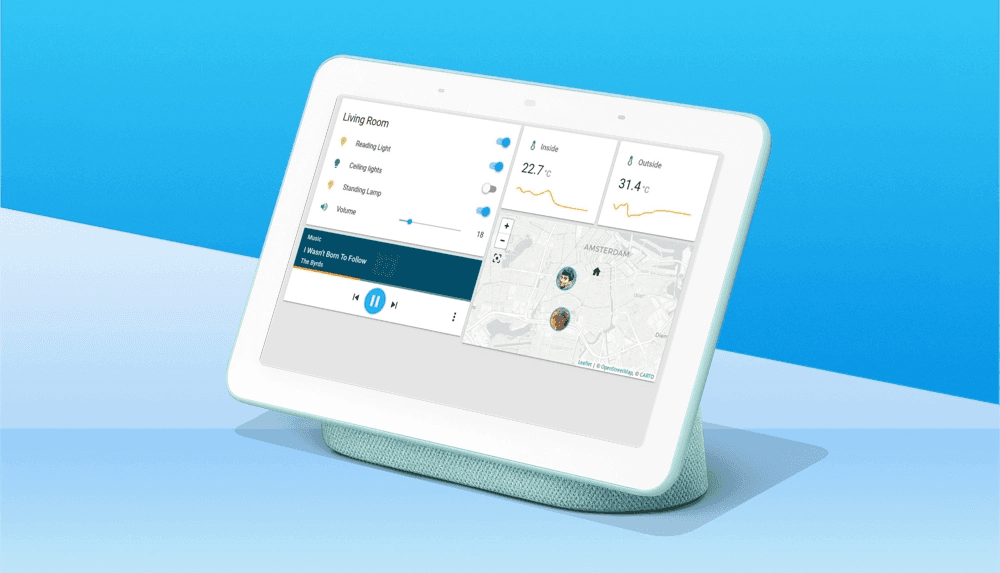
5. Home Assistant
[Images: Home Assistant]
Grade: A
If Apple Home is “clean,” Home Assistant is “limitless.”
This open-source platform turns your home into a fully programmable environment. With Matter support now stable in 2026, it’s no longer just for tinkerers, it’s for serious smart home builders.
Pros
Extreme customization and automation depth
Works with almost everything
Local control by default
No ecosystem lock-in
Cons
Steep learning curve
Requires setup time and maintenance
Verdict: The most powerful smart home hub, if you’re willing to build it yourself.
6. Aqara Hub M3
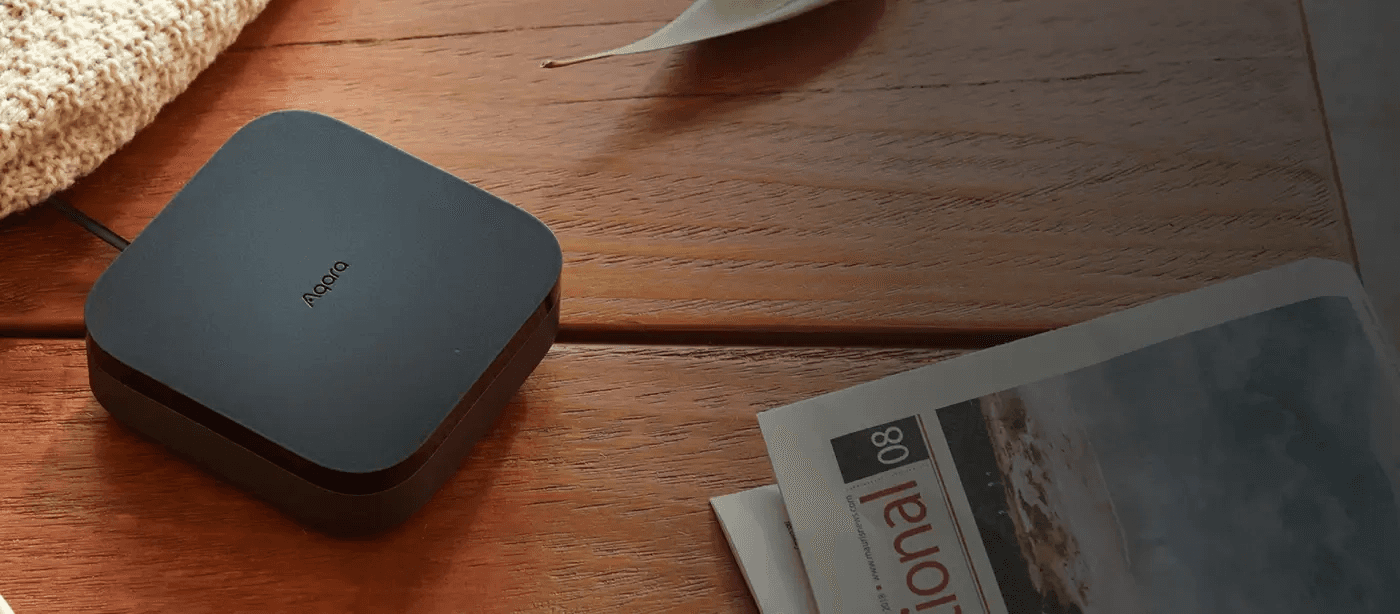
[Images: Aqara]
Grade: A-
Aqara quietly became one of the most important players in the Matter era. The Hub M3 is a bridge king, connecting Zigbee devices, Matter networks, and multiple ecosystems without friction.
Highlights
Strong Matter bridge support
Great value for multi-protocol homes
Reliable automation triggers
Works well with Apple Home + Google Home
Downside
Aqara ecosystem still best experience with Aqara devices
Not as flexible as Home Assistant
Verdict: The best “glue hub” in 2026, especially for hybrid smart homes.
7. Homey Pro
[Images: Homey]
Grade: B+
Homey Pro is the “enthusiast’s middle ground.” It sits between simplicity and full DIY control, supporting nearly every protocol under the sun.
Pros
Wide protocol support (Zigbee, Z-Wave, Matter, etc.)
Strong automation engine
Clean interface for its power level
Cons
Pricey compared to alternatives
Smaller ecosystem than big tech players
Verdict: A sleeper pick for users who want power without full Home Assistant complexity.
Final Thoughts: The Smart Home Hub Landscape in 2026
The best smart home hubs in 2026 aren’t about who has the flashiest speaker anymore—it’s about interoperability, Matter support, and how well your devices actually talk to each other.
Want simplicity? Go Apple Home
Want compatibility? Go Alexa
Want intelligence? Go Google Home
Want control? Go Home Assistant
Want balance? SmartThings or Aqara
And if you’re building from scratch, don’t just pick a brand, pick an ecosystem strategy.

Oliver Hayes
Gadgets & Smart Home Writer
Oliver began writing about gaming and digital culture before moving into the world of consumer technology. He specializes in gadgets, smart home devices, and practical tech advice that helps readers make smarter buying decisions.