How Wearables are Changing Preventative Healthcare
Health Tech
By Sophie Bennett
[Image: Unsplash]
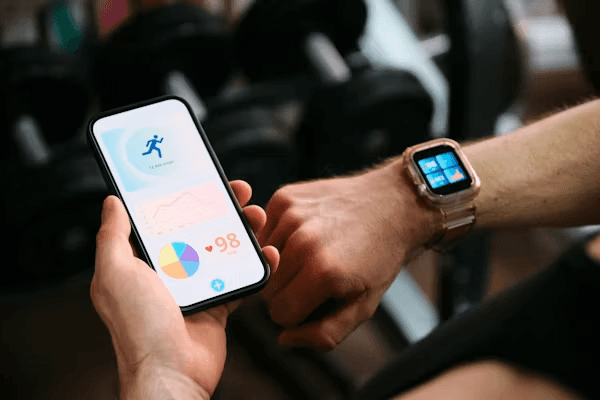
For years, healthcare has been largely reactive. You feel sick, you visit a doctor, you get treated. But wearables are changing that equation. From smartwatches that track heart rhythms to health bands that monitor recovery, stress, and sleep. That kind of technology is pushing healthcare toward prevention rather than treatment.
The rise of wearables is changing preventative healthcare in ways that would have sounded futuristic just a decade ago. Today, millions of people have access to health insights that were once only available through clinical equipment. And as sensors become more accurate and AI becomes more capable, they are evolving from simple fitness accessories into powerful health monitoring tools.
The real question isn't whether wearables are changing healthcare. It's how far they'll go.
The Shift from Fitness Tracking to Health Monitoring
The first generation of wearables focused almost entirely on fitness metrics. Step counts, calories burned, and workout tracking dominated the conversation. As technology becomes more advanced, that focus has changed dramatically.
Modern wearables now track a growing list of health indicators, including:
Heart rate
Heart rate variability (HRV)
Blood oxygen levels (SpO2)
Sleep quality
Stress levels
Skin temperature
Respiratory rate
Recovery metrics
This evolution reflects a broader shift in consumer expectations. People no longer want devices that simply count steps. They want tools that help them understand their overall health and identify potential issues before symptoms appear.
That's where preventative healthcare enters the picture.
Why Continuous Health Monitoring Matters
Traditional healthcare operates on snapshots. You visit a clinic, measurements are taken, and healthcare providers evaluate your condition based on a single moment in time.
Wearables operate differently. They collect data continuously throughout the day and night, building a much richer picture of how your body functions over time. That way, you have a better reference on taking care of your health.
Trends Matter More Than Single Measurements
A single elevated heart rate might mean nothing.
A steadily increasing resting heart rate over several weeks could indicate illness, stress, overtraining, or other underlying issues.
Likewise, one poor night's sleep isn't a problem. But a sustained decline in sleep quality may signal that something needs attention.
Wearables excel at spotting these long-term trends because they're constantly gathering information in the background.
That continuous monitoring is one of the biggest reasons wearables are becoming valuable preventative healthcare tools.
Early Detection Is Becoming a Reality
One of the most exciting developments in wearable technology is its ability to identify warning signs before users notice symptoms.
Several wearable platforms have demonstrated the ability to detect changes associated with:
Respiratory infections
Elevated stress levels
Sleep disorders
Cardiac irregularities
Recovery deficits
No wearable can replace a medical diagnosis. That's an important distinction. However, they can act as an early warning system.
If your device notices significant changes in your physiological patterns, it can encourage you to investigate further or seek professional medical advice.
In preventative healthcare, earlier awareness often leads to better outcomes.
The Rise of Personalized Health Insights
Healthcare has traditionally relied on population averages, that’s why wearables are introducing a more personalized approach.
Instead of comparing you to everyone else, many modern platforms establish your individual baseline and monitor changes from that norm.
Your Normal Is More Important Than Average
A resting heart rate of 58 beats per minute may be perfectly normal for one person and unusually low for another. The same principle applies to sleep duration, HRV, stress scores, and recovery metrics.
This is where advanced health wearables are creating real value.
Devices such as the HLTH Band focus heavily on long-term trend analysis and personalized health monitoring, helping users understand how lifestyle choices affect recovery, stress, sleep quality, and overall wellness over time.
Rather than delivering isolated numbers, the goal is to provide context and actionable insights.
AI Will Make Wearables Smarter
The next major leap won't come from sensors alone. It will come from artificial intelligence. Most wearables already generate enormous amounts of data. The challenge is translating that information into something meaningful.
AI is increasingly being used to:
Identify patterns humans might miss
Detect health anomalies
Predict health risks
Generate personalized recommendations
Improve accuracy through adaptive algorithms
In the future, wearable devices may act as digital health coaches that continuously evaluate health trends and recommend lifestyle adjustments before problems escalate.
That's a significant shift from today's reactive healthcare model.
Healthcare Providers Are Paying Attention
Wearables are no longer viewed as consumer gadgets alone.
Healthcare organizations, insurers, and medical researchers are increasingly incorporating wearable data into broader healthcare initiatives.
Several trends are driving this change:
Remote Patient Monitoring
Healthcare providers can track patient recovery and chronic conditions without requiring frequent clinic visits.
Preventative Health Programs
Employers and insurers are exploring wearable-based wellness programs that encourage healthier behaviors.
Population Health Research
Large-scale wearable datasets are helping researchers better understand disease progression, recovery patterns, and public health trends.
As wearable accuracy improves, integration with healthcare systems is likely to increase.


The Challenges Still Facing Wearables
Despite the excitement, wearables are not perfect.
Several hurdles remain before they become fully integrated healthcare tools. In other words, we’re taking one small step at a time as our tech to become smarter.
Accuracy Varies Between Devices
Not all sensors deliver the same level of precision.
Premium devices often outperform budget models, particularly for advanced metrics like HRV, sleep staging, and recovery analysis.
Data Overload
Many users struggle to interpret the sheer volume of information their devices generate.
Without meaningful context, more data doesn't necessarily lead to better decisions.
Privacy Concerns
Health information is highly sensitive.
As wearables collect increasingly detailed biometric data, privacy and security will become even more important.
These challenges aren't deal-breakers, but they highlight areas where the industry still has work to do.
What the Future Looks Like
The next generation of wearables will likely become less focused on fitness and more focused on overall health. Or better yet, blending the two to incorporate the user’s physical and mental status.
We're already seeing signs of that transition.
Future devices may offer:
More advanced cardiovascular monitoring
Improved sleep and recovery analysis
Non-invasive health measurements
AI-driven health coaching
Deeper integration with healthcare providers
Earlier disease risk detection
Final Verdict
Wearables are changing preventative healthcare by making health monitoring more continuous, personalized, and proactive.
They're giving users unprecedented visibility into their own bodies while helping identify patterns that might otherwise go unnoticed.
The technology still has limitations, and no wearable should replace professional medical care. But the direction of travel is clear.
The best wearables are no longer just fitness trackers, but they're becoming personal health companions that can help people make smarter decisions long before a health issue becomes a medical problem.
And if current trends continue, preventative healthcare may end up being one of the most important technology success stories of the next decade.

Sophie Bennett
Wearables & Health Tech Writer
Sophie focuses on wearables, fitness technology, and digital health trends. She enjoys breaking down complex health features into easy-to-understand insights that help readers get more value from their devices.