Sleep Tracking Explained: What the Data Actually Means
Health Tech
By Sophie Bennett
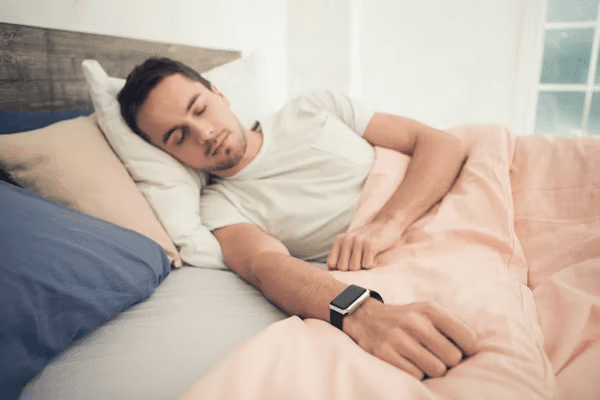
[Image: Unsplash]
In modern smartwatches and fitness bands, sleep tracking has become one of the biggest selling points. From sleep scores to REM percentages and blood oxygen readings, today's wearables generate more sleep data than ever before.
But here's the question most people never ask: what does all that information actually mean?
If you've ever opened your smartwatch app and stared at charts full of sleep stages, recovery metrics, and readiness scores, you're not alone. Sleep tracking can be incredibly useful, but only if you understand what the numbers are telling you.
What Is Sleep Tracking?
Sleep tracking is a collection of sensors and algorithms that estimate what happens while you're asleep.
Most smartwatches and fitness trackers use a combination of:
Heart rate monitoring
Heart rate variability (HRV)
Motion sensors (accelerometers)
Blood oxygen sensors (SpO2)
Skin temperature sensors
By analyzing changes in these signals throughout the night, devices estimate when you fall asleep, wake up, and move through different sleep stages.
The important word here is estimate.
Even the best consumer wearables are not medical sleep laboratories. They're making educated guesses based on sensor data. The good news is that modern devices from Apple, Garmin, Samsung, Fitbit, Oura, and HlthTrack have become surprisingly accurate for everyday sleep monitoring.
How Sleep Stages Work
One of the first things you'll see in a sleep-tracking app is a breakdown of sleep stages.
Light Sleep
Light sleep typically makes up the largest portion of your night.
During this stage:
Heart rate slows down
Muscles relax
Body temperature drops
You can wake up relatively easily
Most people spend around 50% to 60% of their night in light sleep.
If your tracker shows a lot of light sleep, don't panic. That's completely normal.
Deep Sleep
This is where physical recovery happens.
During deep sleep:
Tissue repair occurs
Growth hormone is released
Muscles recover
Immune function strengthens
Most adults get roughly one to two hours of deep sleep per night.
Consistently low deep sleep may indicate stress, alcohol consumption, poor sleep habits, or simply inaccurate wearable estimates.
REM Sleep
REM (Rapid Eye Movement) sleep is strongly linked to:
Memory processing
Learning
Emotional regulation
Dreaming
Many sleep experts consider REM sleep critical for cognitive performance.
Most healthy adults spend about 20% to 25% of the night in REM sleep.
A lack of REM sleep can leave you feeling mentally exhausted even if you've technically slept for enough hours.
What Your Sleep Score Actually Measures
Most wearable brands now generate a sleep score.
The exact formula varies depending on the manufacturer, but sleep scores usually consider:
Total Sleep Duration
This is the simplest metric.
Most adults need:
7 to 9 hours of sleep
Consistent sleep schedules
Minimal interruptions
Getting six hours of sleep with perfect sleep stages is still usually worse than getting eight hours of decent-quality sleep.
Sleep Efficiency
It measures how much time you spend actually sleeping versus lying awake in bed.
For example:
8 hours in bed
7 hours 30 minutes asleep
That equals roughly 94% sleep efficiency.
Generally:
Above 85% is good
Above 90% is excellent
Restlessness and Wake Events
Trackers monitor how often you:
Toss and turn
Wake up briefly
Change positions
Occasional wake-ups are normal.
What matters is whether they become frequent enough to disrupt recovery.
Why Heart Rate Matters During Sleep
Many people focus only on sleep stages, but resting heart rate is often one of the most useful recovery indicators.
During quality sleep:
Heart rate gradually decreases
The body shifts into recovery mode
Stress levels drop
A higher-than-normal sleeping heart rate can suggest:
Illness
Overtraining
Alcohol consumption
Stress
Poor recovery
This is one reason athletes often pay more attention to overnight heart rate trends than sleep scores themselves.
Understanding Heart Rate Variability (HRV)
If there's one metric that's become the darling of fitness enthusiasts, it's HRV.
What Is HRV?
Heart Rate Variability measures tiny fluctuations between heartbeats.
Contrary to what many people assume, more variability is usually better.
Higher HRV generally indicates:
Better recovery
Lower stress
Improved cardiovascular fitness
Lower HRV may signal:
Fatigue
Stress
Illness
Poor sleep


Why Trends Matter More Than Numbers
This is where many users get confused.
There is no universal "good" HRV.
One person's normal HRV might be 25 milliseconds.
Another person's might be 90 milliseconds.
What matters is whether your HRV is improving, declining, or remaining stable over time.
What Blood Oxygen Readings Tell You
Many smartwatches now monitor blood oxygen saturation during sleep.
For most healthy individuals:
Normal readings are typically 95% to 100%
Temporary dips can occur naturally
Sleep oxygen monitoring becomes more useful when looking for recurring patterns.
Repeated drops in oxygen levels could indicate breathing disturbances that may warrant professional medical evaluation.
However, smartwatch oxygen readings should never be treated as a medical diagnosis.
Why Sleep Tracking Isn't Perfect
Consumer wearables are good. Nevertheless, they are not sleep laboratories.
The gold standard for sleep analysis remains polysomnography, which measures:
Brain activity
Eye movement
Muscle activity
Breathing patterns
Oxygen levels
Your smartwatch can't directly measure most of those things, let alone other wearables.
That's why two different devices can give you slightly different sleep-stage results on the same night. The goal isn't perfect accuracy, it’s identifying useful patterns.
The Biggest Mistake People Make With Sleep Data
Many users become obsessed with daily scores.
That's a mistake.
One bad night rarely matters.
What matters is the trend across weeks and months.
Look for patterns such as:
Consistently low sleep duration
Declining HRV
Increasing resting heart rate
Frequent nighttime awakenings
Reduced sleep consistency
Those long-term signals are far more valuable than whether your sleep score was 82 or 87 last night.
So Which Sleep Metrics Matter Most?
If you only pay attention to a few numbers, focus on these:
Total sleep time
Sleep consistency
Resting heart rate
HRV trends
Frequency of wake-ups
Everything else should be considered supporting information rather than the main event.
Sleep stages are interesting. Sleep scores are convenient. But consistently getting enough sleep remains the most important factor for recovery, health, and performance.
Final Verdict
Sleep tracking is about understanding your habits other than collecting more data.
The best wearables can reveal trends you would never notice on your own, from declining recovery to inconsistent sleep schedules. But no smartwatch can magically fix poor sleep habits.
Use the data as a guide, not a grade.
If your tracker helps you go to bed earlier, sleep more consistently, and recognize when your body needs recovery, it's doing its job. Everything else is just extra information on the dashboard.

Sophie Bennett
Wearables & Health Tech Writer
Sophie focuses on wearables, fitness technology, and digital health trends. She enjoys breaking down complex health features into easy-to-understand insights that help readers get more value from their devices.