Resting Heart Rate: What’s Normal and When to Worry
Health Tech
By Sophie Bennett
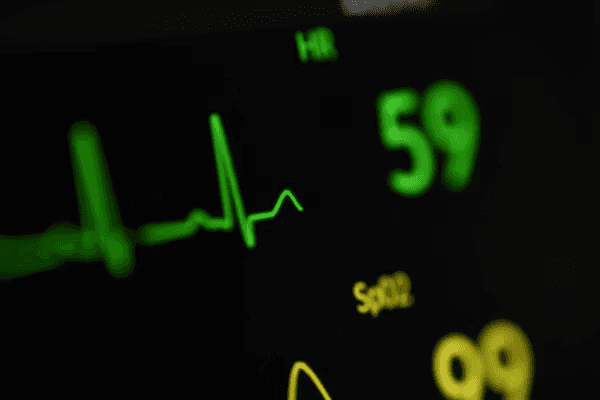
Your resting heart rate is one of those health metrics that most people ignore until a smartwatch throws up an alert. That’s a mistake.
While flashy features like ECG readings and blood oxygen tracking get all the attention, resting heart rate (RHR) remains one of the simplest and most useful indicators of cardiovascular fitness, recovery, stress, and overall health. The best part? Nearly every modern wearable can track it automatically.
But what’s actually considered normal? And when should a low or high resting heart rate make you pay attention?
What Is Resting Heart Rate?
It’s the number of times your heart beats per minute while your body is at complete rest. For most adults, this measurement is taken after waking up or after sitting quietly for several minutes without physical activity, caffeine, or stress affecting the result.
Think of it as your heart’s baseline operating speed.
The more efficiently your cardiovascular system works, the fewer beats your heart generally needs to pump blood throughout your body.
Many people think resting heart rate is just another fitness statistic. In reality, it’s often one of the earliest indicators that something in your body has changed.
What Is a Normal Resting Heart Rate?
For most healthy adults, a normal resting heart rate falls between 60 and 100 beats per minute (BPM).
However, that range is broader than many people realize.
Typical Resting Heart Rate Ranges
Resting Heart Rate | What It Usually Means |
|---|---|
Below 50 BPM | Common among highly trained athletes |
50–60 BPM | Excellent cardiovascular fitness |
60–80 BPM | Healthy and normal for most adults |
80–100 BPM | Normal, but worth monitoring trends |
Above 100 BPM | Potential concern if persistent |
To keep in mind that your personal trend matters more than a single number.
A resting heart rate of 82 BPM may be perfectly normal for one person, while a jump from 62 BPM to 82 BPM over several weeks could signal stress, illness, poor sleep, overtraining, or another health issue.
How Wearables Measure Resting Heart Rate
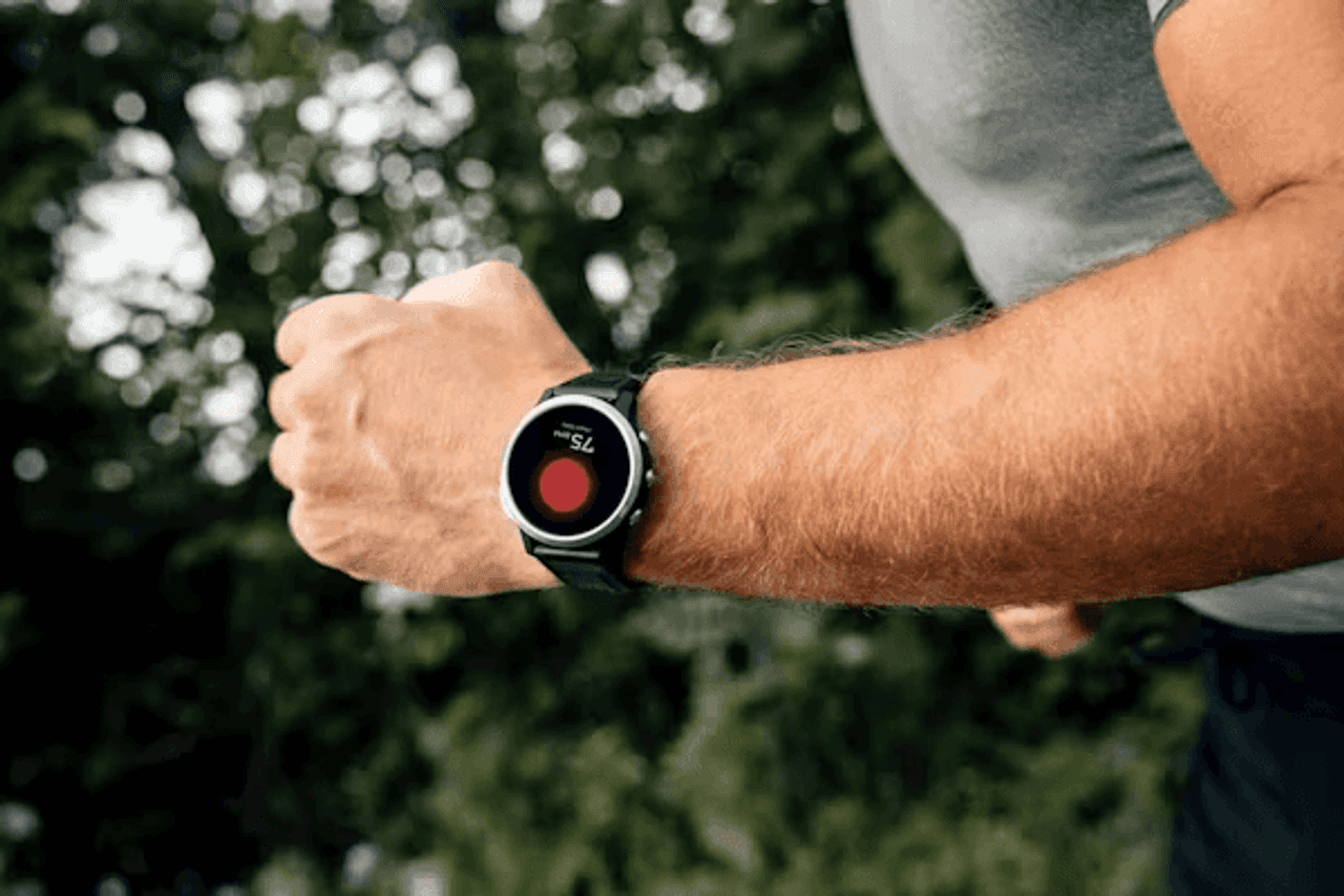
Image: Unsplash
Modern fitness trackers and smartwatches use optical heart rate sensors that shine light into the skin and detect changes in blood flow.
When you’re inactive, the device collects heart rate data over time and calculates a resting average.
The best devices don’t rely on a single reading. Instead, they continuously monitor your heart rate throughout the day and night to build a more accurate baseline.
This is why wearable-based resting heart rate data has become significantly more useful over the last few years.
A single manual pulse check tells you what your heart is doing right now.
A wearable tells you what your heart has been doing for weeks.
Fitness Improvements
One of the clearest signs that your cardiovascular fitness is improving is a gradual reduction in resting heart rate.
As your heart becomes stronger, it pumps more blood with each beat, reducing the need for frequent contractions.
This is why endurance athletes often record resting heart rates in the 40s or even lower.
Recovery Tracking
Your resting heart rate is also a powerful recovery metric. If you’ve had a hard training session, poor sleep, or several stressful days, your resting heart rate may climb temporarily. Many athletes use this trend to determine whether they’re ready for another intense workout or need additional recovery time.
Stress and Lifestyle Changes
Your heart doesn’t care whether stress comes from a marathon, a deadline, or three hours of sleep. Stress hormones can elevate resting heart rate, sometimes noticeably. Consistently elevated readings often correlate with:
Poor sleep
High stress levels
Excessive alcohol consumption
Dehydration
Overtraining
Illness
When a High Resting Heart Rate Could Be a Problem
A higher resting heart rate isn’t automatically dangerous. However, there are situations where it’s worth paying attention. Better be cautious and learn to take care of your heart.
Your Baseline Suddenly Changes
The biggest red flag isn’t necessarily the number itself.
It’s an unexpected increase compared to your normal baseline.
If your resting heart rate usually sits around 65 BPM and suddenly stays above 80 BPM for days or weeks, something may be affecting your health or recovery.
It Stays Above 100 BPM
A persistent resting heart rate above 100 BPM is known as tachycardia.
Possible causes include:
Fever
Infection
Anxiety
Dehydration
Medication side effects
Heart conditions
If elevated readings persist, consulting a healthcare professional is advisable.
Symptoms Appear Alongside It
Seek medical evaluation if a high resting heart rate occurs with symptoms such as:
Chest pain
Dizziness
Shortness of breath
Fainting
Extreme fatigue
At that point, the issue goes beyond fitness tracking.


Is a Low Resting Heart Rate Ever Bad?
Not always. In fact, lower resting heart rates are often associated with better cardiovascular fitness. It’s common for endurance athletes to record resting heart rates between 40 and 60 BPM. Their hearts have adapted to pump more blood per beat, making fewer beats necessary.
When Low Becomes Concerning
A low resting heart rate may warrant medical attention if accompanied by symptoms such as:
Dizziness
Fainting
Fatigue
Weakness
Shortness of breath
A low number without symptoms is often harmless.
A low number with symptoms deserves further evaluation.
Why Trend Data Is More Important Than One Reading
This is where modern health wearables genuinely shine. Many smartwatches track resting heart rate, but newer health-focused wearables are pushing deeper into long-term monitoring.
The difference isn’t simply collecting heart rate data, it’s understanding the context around it.
For example:
Rising RHR can indicate illness before symptoms appear.
Falling RHR may signal improving fitness.
Consistently elevated RHR often reflects stress or inadequate recovery.
Sharp spikes can highlight lifestyle changes affecting health.
Devices like the HLTH Band combine resting heart rate tracking with metrics such as heart rate variability (HRV), sleep quality, recovery status, and stress monitoring. That broader picture can help explain why your resting heart rate is changing instead of simply telling you that it changed.
For users focused on preventive health rather than just counting steps, that context is often where the real value lies. The most valuable health insight isn’t today’s reading. It’s understanding how today’s reading compares to your average.
Final Verdict
Resting heart rate remains one of the simplest yet most powerful health metrics available.
A normal resting heart rate for most adults falls between 60 and 100 BPM, but the real story is found in your personal trends rather than a single number.
If your resting heart rate steadily decreases, you’re likely improving fitness and cardiovascular efficiency. If it suddenly rises and stays elevated, your body may be signaling stress, illness, poor recovery, or another underlying issue.
The good news is that modern wearables make tracking these trends easier than ever.
And unlike some health metrics that require complicated interpretation, resting heart rate offers a surprisingly clear window into how your body is doing, provided you’re paying attention to the long-term picture.

Sophie Bennett
Wearables & Health Tech Writer
Sophie focuses on wearables, fitness technology, and digital health trends. She enjoys breaking down complex health features into easy-to-understand insights that help readers get more value from their devices.