HRV Monitoring: Which Wearables Actually Get It Right
Wearables
By Sophie Bennett
[Image: Unsplash]
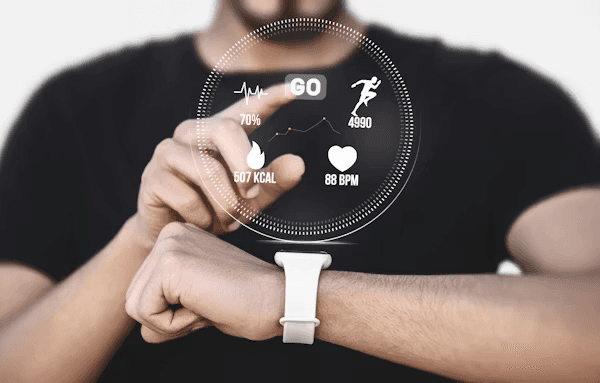
Heart Rate Variability (HRV) monitoring has become one of the biggest selling points in modern wearables. Every smartwatch, fitness tracker, and recovery-focused device claims to help you optimize training, improve recovery, and reduce stress. But when it comes to HRV monitoring, not all wearables are created equal.
That's why we compared three of the biggest names in recovery-focused wearables: HLTH Band 1.0, Whoop 5.0, and Oura Ring 4. All three promise to help you understand your body's readiness and recovery through Heart Rate Variability (HRV) monitoring, but they take very different approaches.
After looking at features, battery life, usability, long-term cost, and overall value, one wearable stands out as the most complete package.
Why HRV Monitoring Accuracy Matters
Heart Rate Variability measures the tiny changes in time between heartbeats. A higher HRV is generally associated with better recovery, resilience, and overall cardiovascular health. A lower HRV can signal stress, fatigue, poor sleep, illness, or overtraining.
The key word here is trend.
A single HRV reading doesn't tell you much. What matters is consistent monitoring over weeks and months. That's why the best HRV monitoring wearables focus on long battery life, comfortable wear, and reliable overnight tracking.
The Contenders
HLTH Band 1.0
[Image: HLTH Track]
Overall Score: A
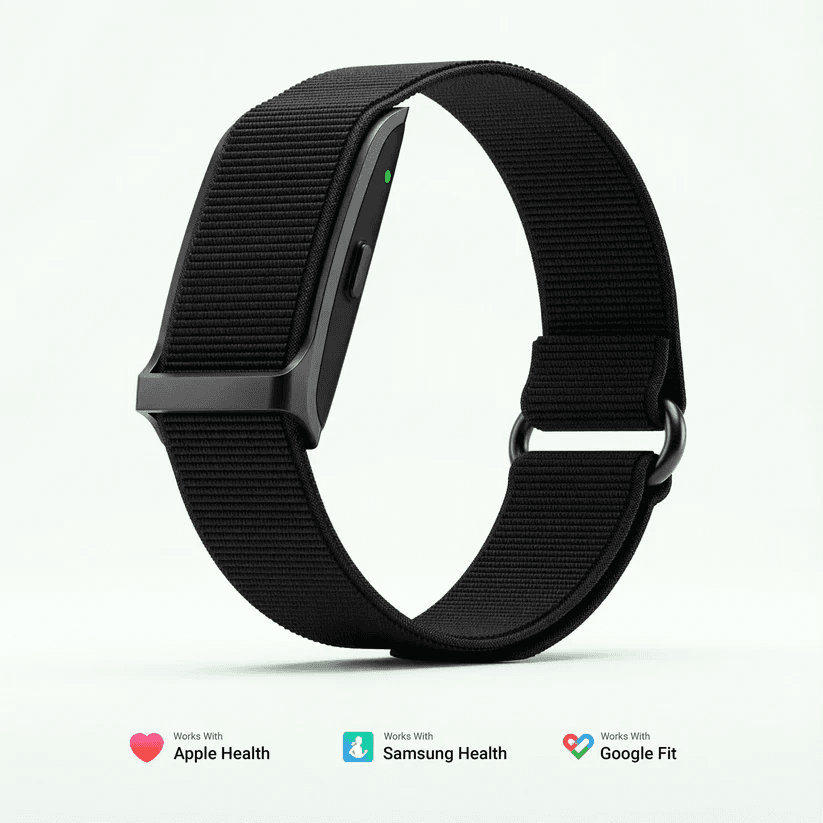
The biggest strength of HLTH Band is its focus on continuous health monitoring. The wearable uses a multi-sensor optical system designed to collect recovery and wellness data throughout the day and night.
Because HRV becomes more valuable over time, consistency matters more than occasional measurements. HLTH Band's lightweight, screen-free design encourages 24/7 wear while minimizing battery drain.
For users who want recovery insights without smartwatch distractions, HLTH Band offers a streamlined experience focused on health metrics.
Battery Life: Up to 30 days per charge
HLTH Band delivers one of the longest battery lives in the wearable health category. With up to 30 days between charges, users can collect uninterrupted HRV, sleep, and recovery data for weeks at a time.
That means fewer gaps in your recovery trends and less maintenance overall.
Pros
Continuous HRV monitoring
Up to 30-day battery life
No subscription fees
Lightweight and comfortable design
Tracks recovery, sleep, stress, and blood oxygen levels
Lower long-term ownership cost
Cons
Limited smartwatch functionality
Smaller ecosystem than Apple or Garmin
Device Cost: ~$99
Subscription Cost: $0
One of HLTH Band's biggest advantages is straightforward ownership.
You purchase the device once and gain access to its health tracking features without recurring monthly fees.
Estimated 3-Year Cost: ~$99
Whoop 5.0
[Image: Whoop]
Overall Score: A-
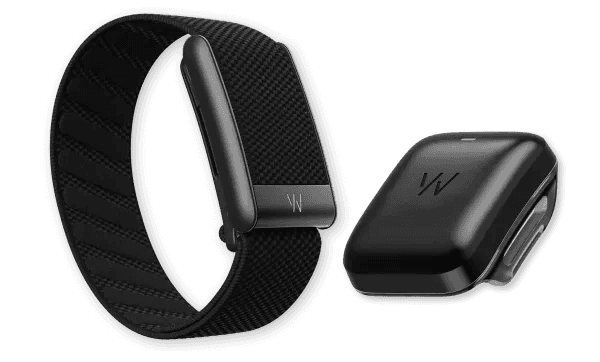
Whoop remains one of the strongest recovery platforms available today. Its recovery scores, strain recommendations, and athlete-focused analytics are among the most comprehensive in the industry.
For serious athletes and performance enthusiasts, Whoop continues to set the standard for recovery coaching.
The downside is the recurring membership cost required to access those insights.
Battery Life: Approximately 14 days
Whoop offers solid battery performance and includes a charging pack that allows users to charge while wearing the device.
While convenient, it still requires roughly twice as many charging sessions compared to HLTH Band.
Pros
Excellent recovery analytics
Deep athlete-focused insights
Strong training recommendations
Approximately 14-day battery life
Comfortable design
Cons
Expensive subscription model
No display
Best suited for serious fitness enthusiasts
Device Cost: Included with membership
Membership Cost: $199 | $239 | $359 annually
While Whoop's analytics are excellent, the subscription model significantly increases ownership costs over time.
Estimated 3-Year Cost: $597 | $717 | $1077


Oura Ring 4
[Image: Oura Ring]
Overall Score: A-
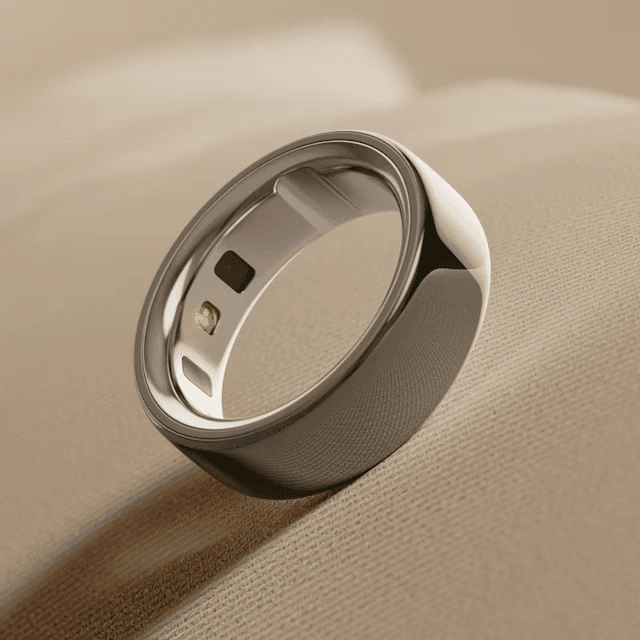
Oura excels at overnight HRV monitoring and sleep analysis. The ring form factor is comfortable for sleeping, and its readiness scores are easy to understand.
While its wellness insights are excellent, its workout tracking and training analytics aren't as comprehensive as Whoop's.
Battery Life: Approximately 8 days
Oura's battery life is respectable for a smart ring, but it falls significantly behind both HLTH Band and Whoop.
Users can expect to recharge roughly once per week.
Pros
Excellent sleep tracking
Comfortable ring design
Easy-to-understand readiness scores
Strong overnight HRV monitoring
Approximately 8-day battery life
Cons
Subscription required
Limited workout tracking
Higher total ownership cost than initial purchase price suggests
Device Cost: ~$349
Membership Cost: ~$5.99/month
Oura's recurring membership fee is lower than Whoop's, but it still adds up over several years.
Estimated 3-Year Cost: ~$565
Quick Comparison: HLTH Band vs Whoop 5.0 vs Oura Ring 4
Feature | HLTH Band 1.0 | Whoop 5.0 | Oura Ring 4 |
|---|---|---|---|
Starting Price | ~$99 | Included with membership | ~$349 |
Subscription Required | No | Yes | Yes |
HRV Monitoring | Continuous | Continuous | Primarily overnight |
Sleep Tracking | Yes | Yes | Excellent |
Stress Tracking | Yes | Yes | Yes |
SpO₂ Monitoring | Yes | Yes | Yes |
Recovery Score | Yes | Yes | Yes |
Form Factor | Wrist Band | Wrist Band | Smart Ring |
Battery Life | Up to 30 Days | Up to 14 Days | Up to 8 Days |
Best For | Overall Health & Recovery Tracking | Athletes & Performance Optimization | Sleep & Wellness Tracking |
Tech Unboxed Grade | A | A- | A- |
Verdict: Which Wearable Actually Gets HRV Right?
All three devices provide valuable HRV monitoring capabilities.
Whoop 5.0 remains the best choice for athletes who want advanced training and recovery analytics.
Oura Ring 4 continues to be one of the strongest options for users focused primarily on sleep and readiness tracking.
However, when we evaluate the complete package, including HRV monitoring, battery life, ownership costs, comfort, and overall value, the HLTH Band 1.0 comes out ahead.
Winner: HLTH Band 1.0
The reason is simple: effective HRV monitoring depends on long-term consistency.
With a starting price of approximately $99, up to 30 days of battery life, continuous health monitoring, and no recurring subscription fees, HLTH Band offers one of the most practical solutions for users who want to track recovery, stress, sleep, and HRV over the long term.
For most people, the combination of extended battery life, lower ownership costs, and dedicated health tracking makes HLTH Band 1.0 the best overall HRV monitoring wearable in 2026.

Sophie Bennett
Wearables & Health Tech Writer
Sophie focuses on wearables, fitness technology, and digital health trends. She enjoys breaking down complex health features into easy-to-understand insights that help readers get more value from their devices.