Best Smartwatches for Heart Health Tracking in 2026
Wearables
By Sophie Bennett


The truth is: most flagship wearables are already “good enough” at heart tracking. ECG, AFib alerts, HRV insights, everyone has them. The real difference now is how usable and consistent that data actually is in real life.
So instead of hyping specs, we did a series breakdowns, real pros and cons, and a final verdict of the best smartwatches for heart health tracking that includes a wildcard device that doesn’t even pretend to be a smartwatch.
What Defines Heart Health Tracking in 2026
The device on your wrist can aid you in monitoring your heart. With this feature, it is a worthy investment to work on your health. The serious ones can:
Detect irregular heart rhythms (AFib) early and reliably
Deliver accurate ECG readings without constant retries
Track heart rate continuously without gaps or lag
Turn HRV data into something actually understandable
Run 24/7 without becoming annoying to wear or charge
If it can’t do that reliably, it’s not “health tech”, it’s just a screen on your wrist.
The Best Smartwatches for Heart Health Tracking
Apple Watch Ultra 3
[Images: Apple]
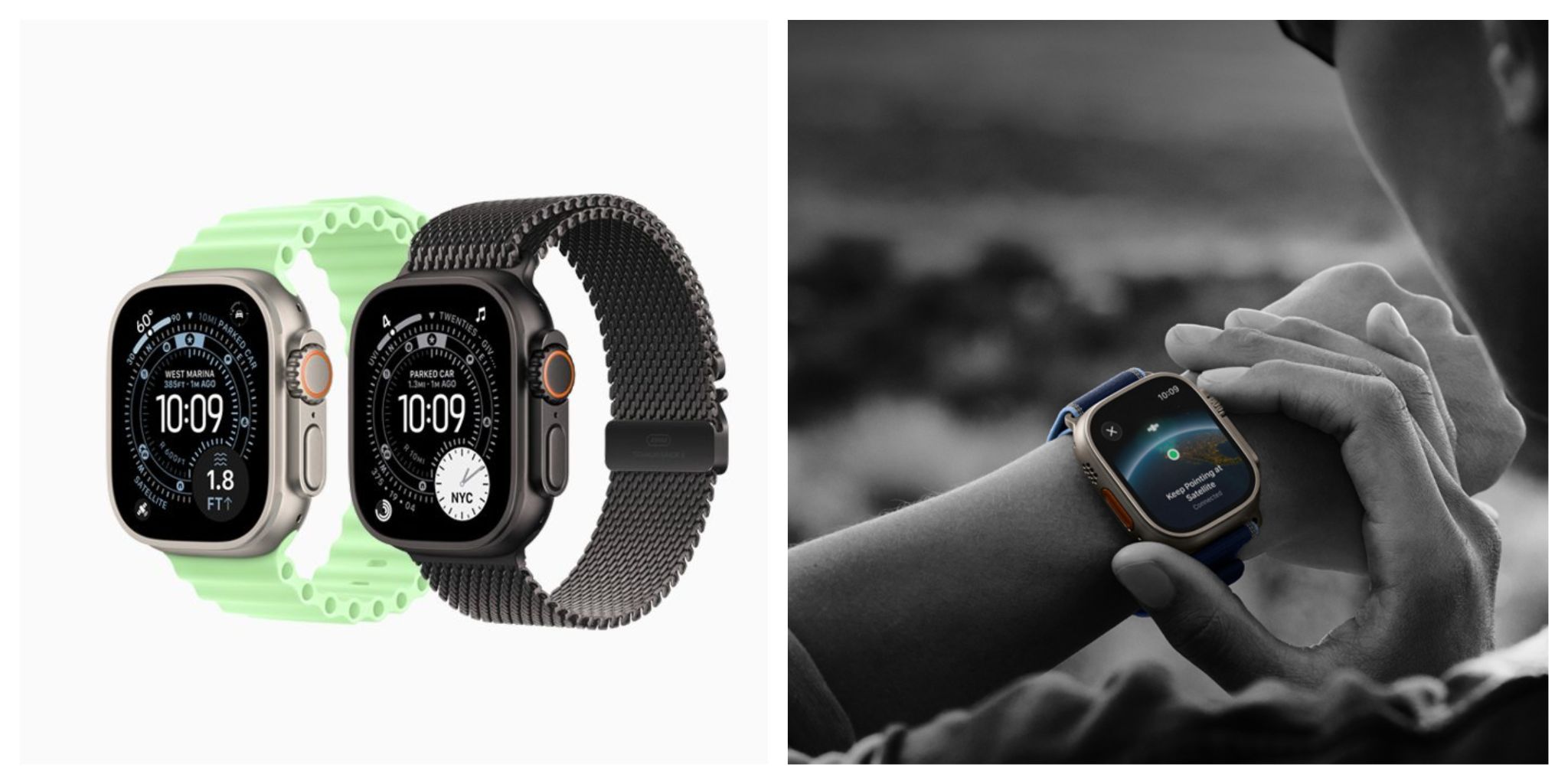
The Apple Watch Ultra 3 is still the reference point in heart health tracking. It doesn’t just collect ECG data, it actively integrates it into Apple Health in a way that feels clinically structured but user-friendly. AFib detection is fast, heart rate tracking is extremely stable, and long-term trends are actually easy to interpret.
It’s the most “complete” package here, but also the most demanding in terms of ecosystem and charging habits.
Pros:
Industry-leading ECG accuracy
Highly reliable AFib and irregular rhythm alerts
Strong integration with Apple Health ecosystem
Excellent heart rate consistency during rest and workouts
Robust safety features alongside health tracking
Cons:
Premium price point (Starting at $799)
Requires iPhone ecosystem
Overkill for users who only want health tracking
Expensive compared to rivals
Among the Best Smartwatches for Heart Health Tracking in 2026, this is still the most complete “medical-adjacent” smartwatch package.
Samsung Galaxy Watch 8 Classic
[Images: Samsung]
Price: $799.00
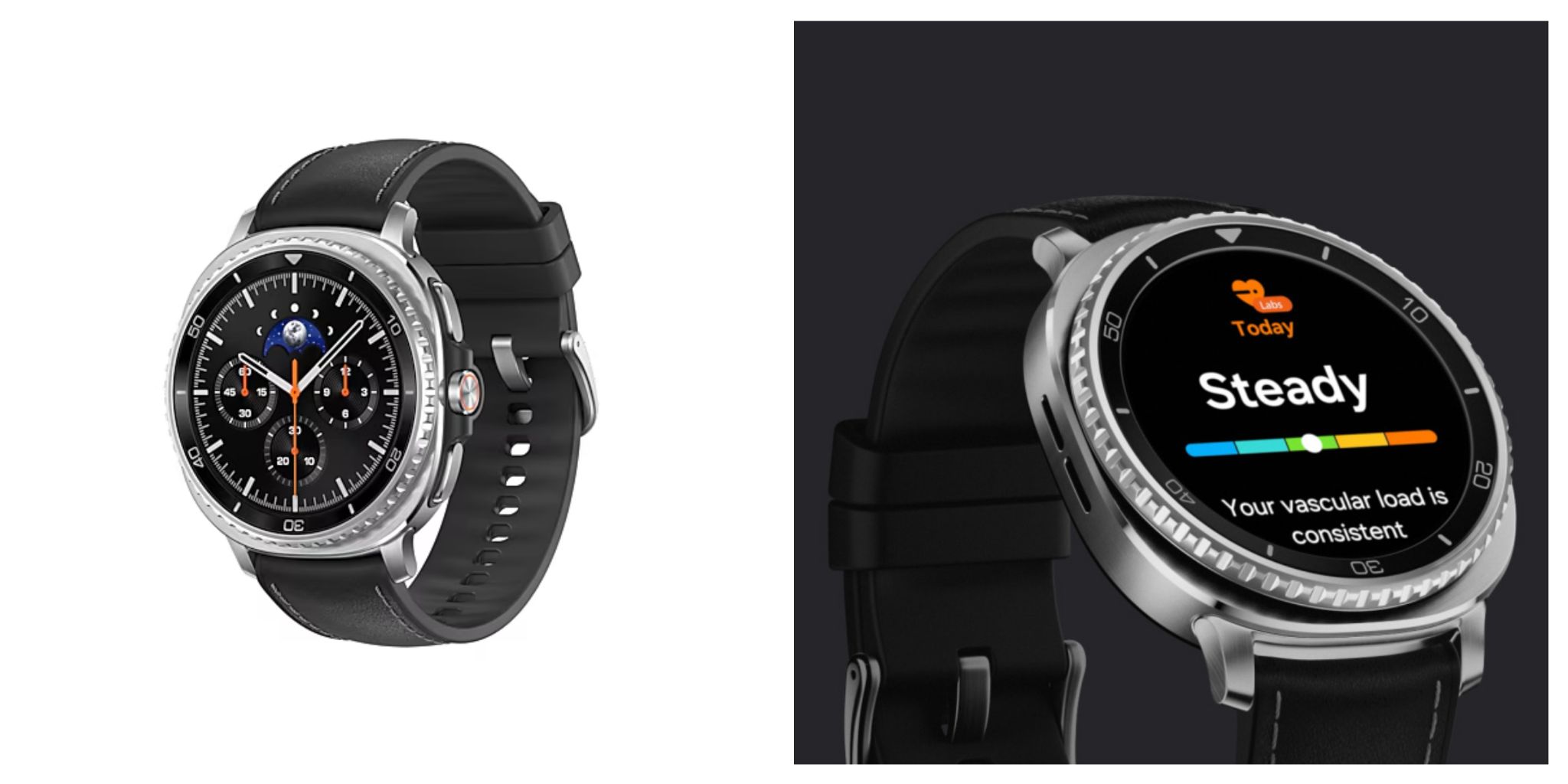
The Galaxy Watch 8 Classic is Samsung refining its health game into something actually competitive. ECG and heart rhythm tracking are solid, and its biggest strength is how it connects heart data with sleep and recovery metrics. It doesn’t just show numbers, it tries to explain what they mean.
It’s easily one of the strongest Android choices for heart-focused users in 2026.
Pros:
Strong ECG and heart rhythm monitoring
Improved sleep apnea and recovery insights
Excellent integration with Android ecosystem
Balanced smartwatch + fitness hybrid experience
More detailed health dashboards than previous generations
Cons:
Battery life still lags behind Garmin
ECG availability varies by region
Works best within Samsung ecosystem
It’s the strongest Android contender in the Best Smartwatches for Heart Health Tracking in 2026 category.


Garmin Venu 4
[Images: Garmin]
Price: $499.99
Garmin doesn’t care about being “simple.” It cares about being accurate.
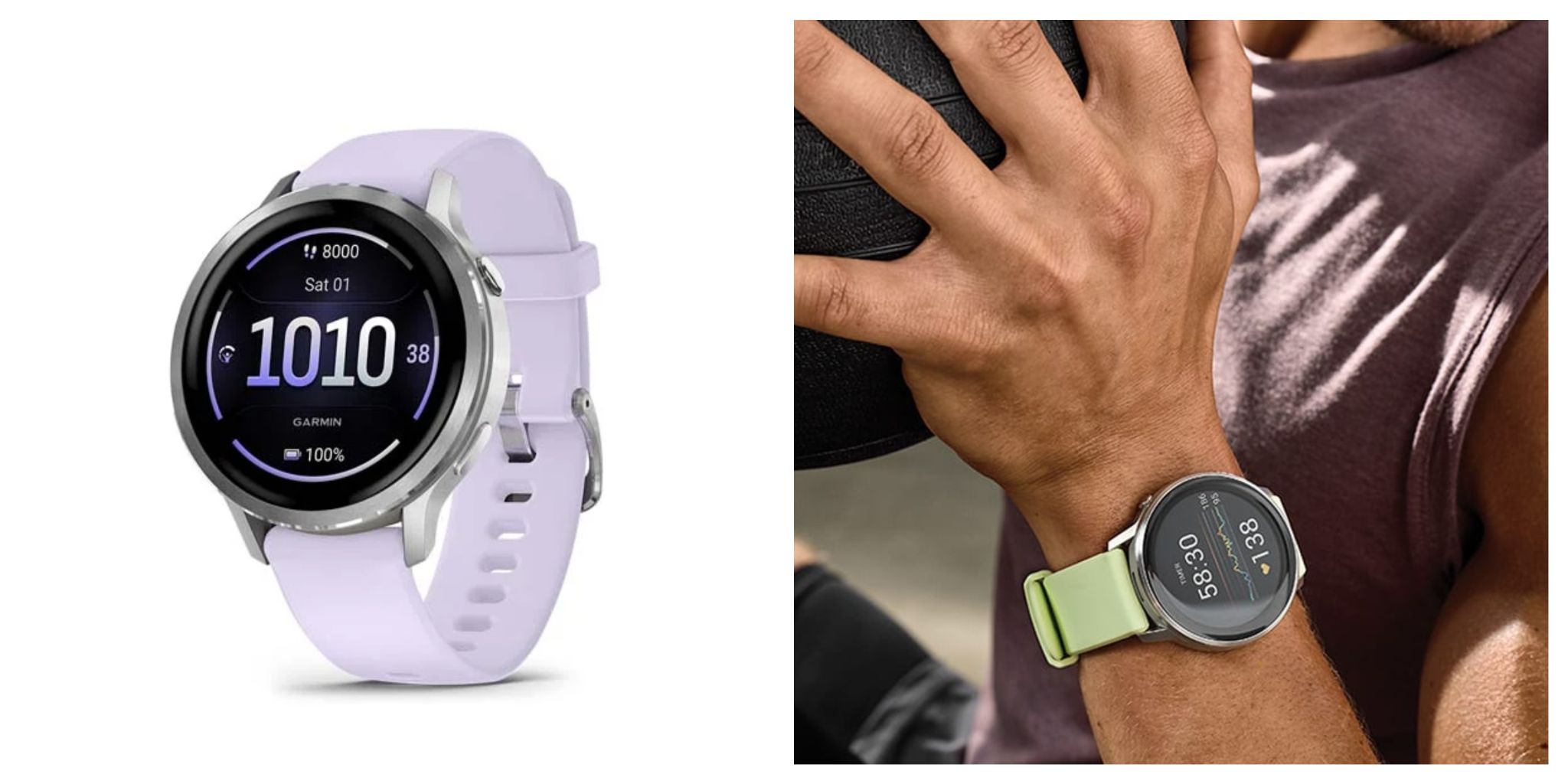
The Venu 4 shines in HRV tracking, training load analysis, and recovery insights. It’s built for users who want to understand how their heart behaves under stress, fatigue, and performance cycles, not just whether it’s “normal.”
It’s incredibly reliable during workouts, but it can feel overly analytical for casual users.
Pros:
Exceptional heart rate accuracy during exercise
Deep HRV and recovery analytics
Long battery life (multi-day reliability advantage)
Strong long-term cardiovascular trend data
Cons:
Less beginner-friendly interface
Limited ECG availability depending on region
Feels more like a data tool than a smartwatch
Garmin is still the go-to for users who care about long-term heart performance data over flashy smartwatch features.
Fitbit Sense 2
[Images: Fitbit]
Price: $199.95
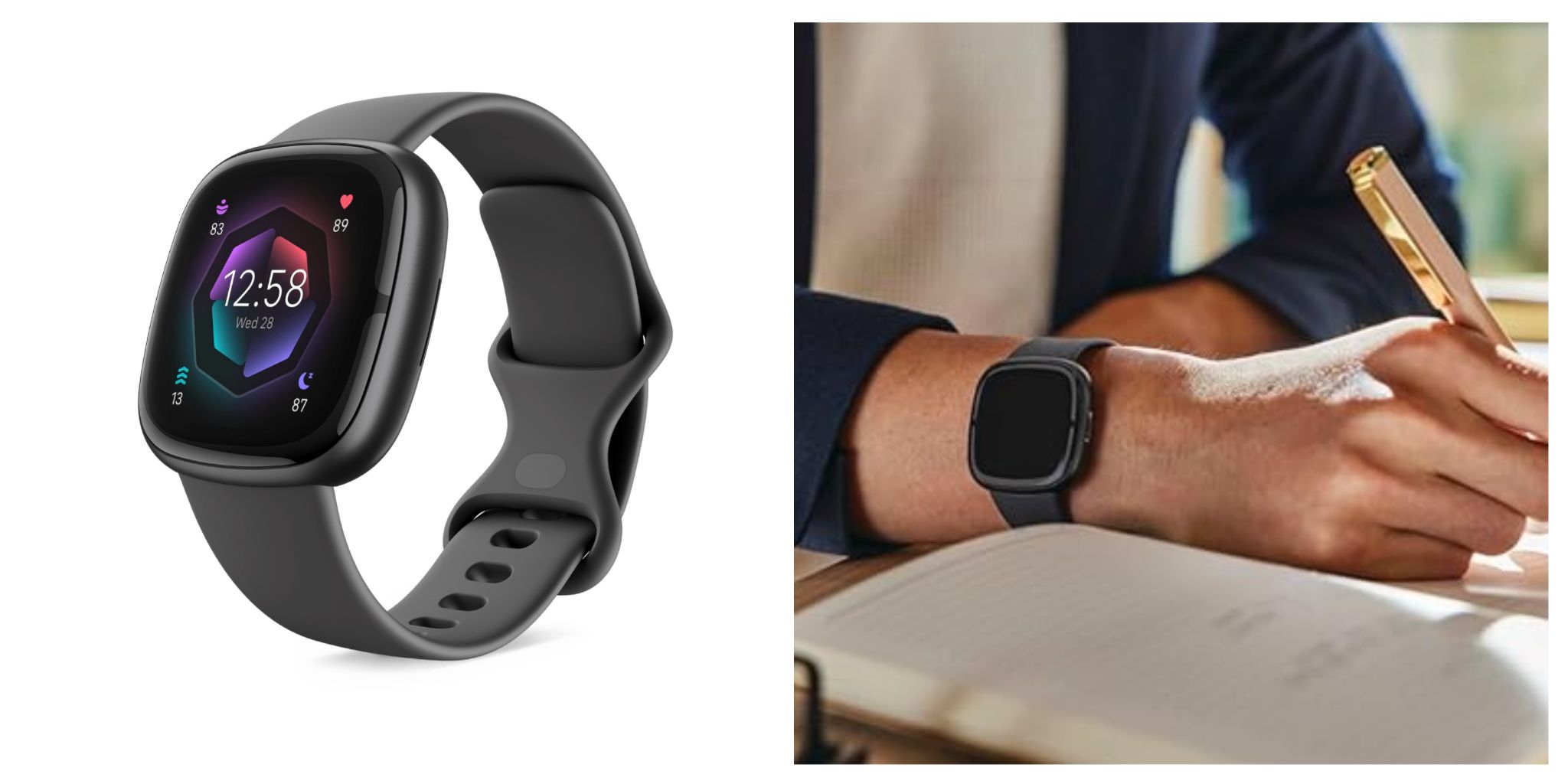
The Fitbit Sense 2 stays in its lane: simple, readable heart health tracking for everyday users. It offers ECG, continuous heart rate monitoring, and stress tracking without overwhelming you with raw data.
It’s one of the easiest to actually stick with despite not not having the deepest system.
Pros:
Easy-to-understand heart health dashboard
ECG and SpO2 tracking included
Strong stress and recovery insights
Lightweight and comfortable for 24/7 wear
Cons:
Less advanced analytics than Apple or Garmin
Ecosystem is smaller after Google integration
Limited “pro-level” data depth
It still earns its place in the list for users who want simplicity and clarity over complexity.
The Disruptor: HLTH Band vs Smartwatches
Now here’s where the conversation changes.
Unlike traditional smartwatches, the HLTH Band is built with one purpose: continuous, distraction-free cardiovascular monitoring.


HLTH Band (Dedicated Heart Health Wearable)
[Images: HlthTrack]
Price: $99.00
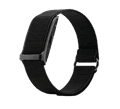
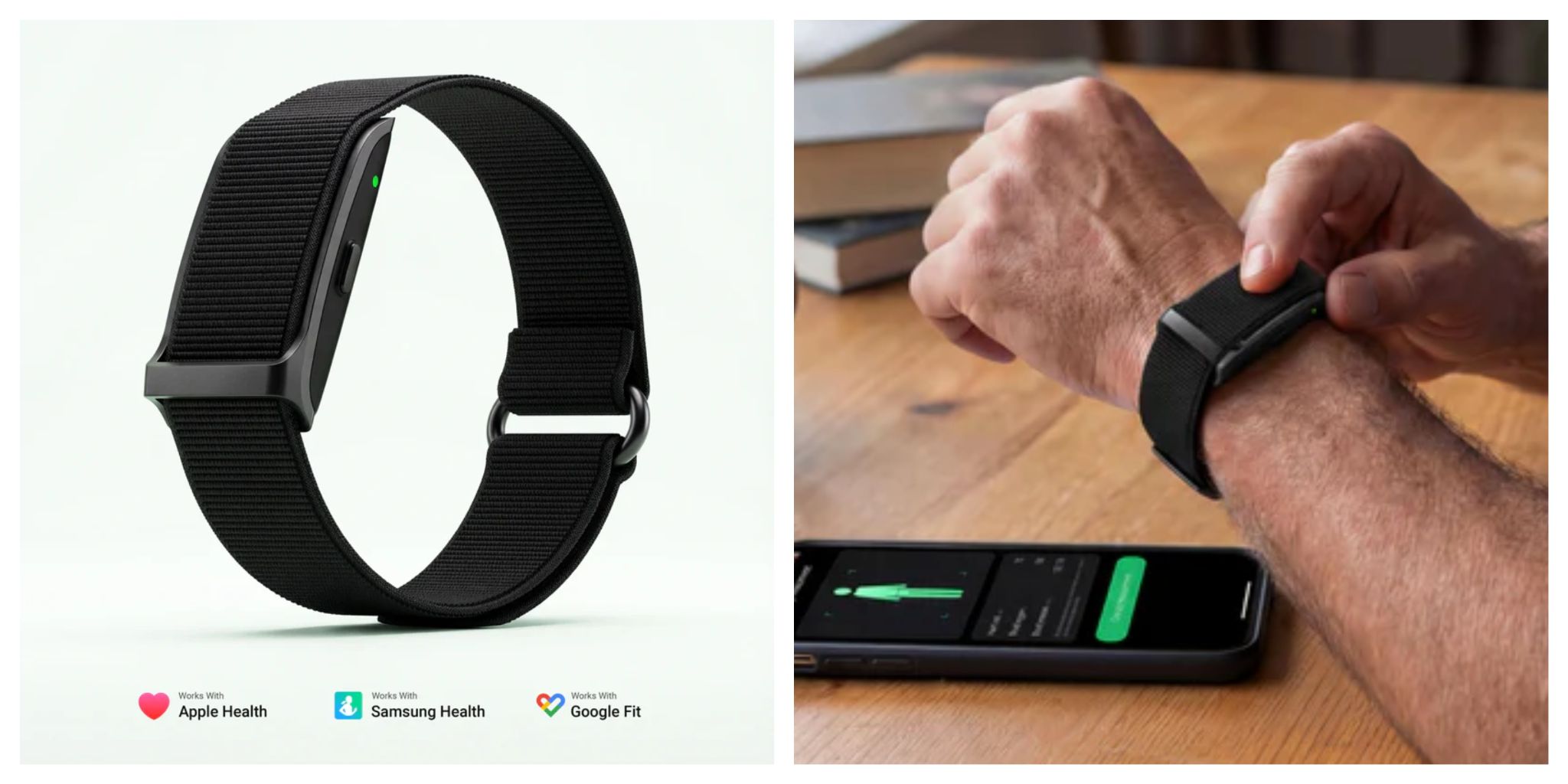
The HLTH Band removes everything that distracts from cardiovascular tracking. No apps. No notifications. No smartwatch clutter. Just continuous heart monitoring designed to capture long-term patterns instead of isolated readings.
Because it’s lightweight and minimal, people actually wear it 24/7, which is where its real advantage comes in. The more consistent the data, the more meaningful the heart trends become over time.
It doesn’t try to interpret your life. It just tracks your heart without interruption. That focus alone is exactly why it stands out.
Pros:
Focused 24/7 heart health tracking without distractions
More consistent wear compliance due to lightweight design
Strong emphasis on long-term cardiovascular patterns
No app overload or notification fatigue
Designed purely for health monitoring accuracy
Cons:
Not a full smartwatch (needs a phone app to track health)
Limited choice of colors
What makes it stand out in the Best Smartwatches for Heart Health Tracking in 2026 conversation is simple: it removes everything that isn’t health-related and focuses entirely on cardiovascular data consistency.
Head-to-Head Summary
Device | ECG Accuracy | Battery Life | Smart Features | Heart Health Focus |
|---|---|---|---|---|
Apple Watch Ultra 3 | Excellent | Medium | Very High | Balanced health + smartwatch |
Samsung Galaxy Watch 8 Classic | Very High | Medium | High | Android health ecosystem |
Garmin Venu 4 | High (exercise-focused) | Excellent | Medium | Performance + endurance tracking |
Fitbit Sense 2 | Good | Good | Medium | Casual wellness tracking |
HLTH Band | High (focused) | Excellent | Low | Pure cardiovascular monitoring |
Final Verdict: Which One Is Actually Best?
For users who want a full-featured premium wearable, the Apple Watch Ultra 3 still leads as the most complete heart health smartwatch in 2026.
For Android users, the Samsung Galaxy Watch 8 Classic is the strongest all-rounder. Athletes and data-focused users will still prefer the Garmin Venu 4, while beginners and casual users will find the Fitbit Sense 2 easiest to understand and use.
But the real disruption comes from the HLTH Band. While it lacks smartwatch features, it arguably delivers the most focused and consistent heart health monitoring experience of all.
Final takeaway:
Best overall smartwatch: Apple Watch Ultra 3
Best Android option: Samsung Galaxy Watch 8 Classic
Best for athletes: Garmin Venu 4
Best for beginners: Fitbit Sense 2
Best pure heart health tracker: HLTH Band
Most smartwatches are trying to be everything at once: notifications, apps, fitness, health. The HLTH Band wins by doing the opposite: it ignores everything that isn’t your heart.
And in 2026, that kind of obsession with focus doesn’t look limited anymore, it looks intentional.

Sophie Bennett
Wearables & Health Tech Writer
Sophie focuses on wearables, fitness technology, and digital health trends. She enjoys breaking down complex health features into easy-to-understand insights that help readers get more value from their devices.