Sponsored · Health Tech
How a Tiny Wrist Sensor Helped Me Finally Understand My Sleep
By Jordan Lee · June 2026 · Partner content · 6 min read
Disclosure: This is sponsored content. TechUnboxed may earn a commission if you buy through links on this page — it never affects our editorial standards.
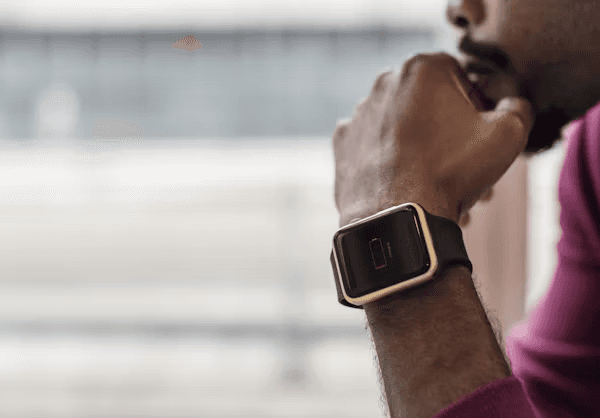
For years I blamed bad coffee, late emails and a mattress I kept threatening to replace. The truth was simpler, and far more frustrating: I had no real idea what happened to my body once I closed my eyes. I'd wake up wrecked after eight "good" hours, or strangely sharp after five. There was no pattern I could see — until the week I started wearing something barely heavier than a coin.
The problem nobody talks about
Most of us judge a night's sleep by how we feel at 7am, which is a notoriously unreliable gauge. We remember the dramatic nights — the 3am wake-ups, the racing mind — and quietly forget the ordinary ones that were just as broken. Without real data you're optimising in the dark: swapping pillows, shifting bedtimes, cutting caffeine, with no honest way to tell which change actually moved the needle and which just felt productive.

What actually changed
Wearing a small sensor every night finally gave me something I'd never had: a consistent, slightly boring, completely reliable record. Resting heart rate. Time in deep sleep. How often I stirred without ever remembering it. After about a week, patterns I'd never have spotted on my own started jumping off the screen — the late workouts that quietly wrecked my recovery, the single "harmless" glass of wine that cost me a full hour of deep sleep, the weekends that undid all my weekday discipline.
"I went from guessing to actually knowing — and my mornings changed within a week."
Why it works
The magic isn't really the hardware — it's that it strips out the guesswork. Instead of generic, one-size-fits-all advice pulled from a blog, you get feedback tied to your own body, measured the same way night after night. Over a few weeks that quietly turns vague intentions into a feedback loop you can actually act on:
✓ Tracks the metrics that actually matter, not vanity numbers
✓ Turns dense data into one simple morning score
✓ Comfortable enough that you forget you're wearing it
How I actually tested it
I wore it every single night for a month — including the bad nights I'd normally rather forget. No special routine, no dramatic "sleep hygiene" overhaul to begin with. I wanted to see what my normal life actually looked like in data first. Only once I had a baseline did I start changing one variable at a time — caffeine cut-off, screen time, workout timing — and watching what each one did to the numbers the next morning.
Who it's actually for
Let's be honest: this won't magically cure insomnia, and it isn't a medical device. But if you're a basically healthy person who suspects you could feel a lot better with a few targeted tweaks, it's genuinely useful — and a little addictive in a good way.
✓ You like understanding the "why" behind how you feel
✓ You're willing to actually act on what the data shows
✗ You want a guaranteed overnight fix with zero effort
The questions everyone asks me
Is it comfortable to sleep in?
Genuinely, yes. After the first couple of nights I forgot it was there. It's lighter than most watches, and there's no screen glowing at you in the dark.
Do I need to be a data nerd to get value from it?
Not at all. All the detail is there if you want to dig in, but day to day it boils down to one simple score and a plain-English suggestion for the night ahead.
How long until I notice a difference?
The patterns usually show up within a week. Whether they change your mornings is down to how much you act on them — but at least you finally know what you're working with.
I'm not going to tell you a gadget fixed my sleep overnight. But for the first time I could actually see what I was working with — and that one change made every other change I tried finally count.